No winners but case must drive change
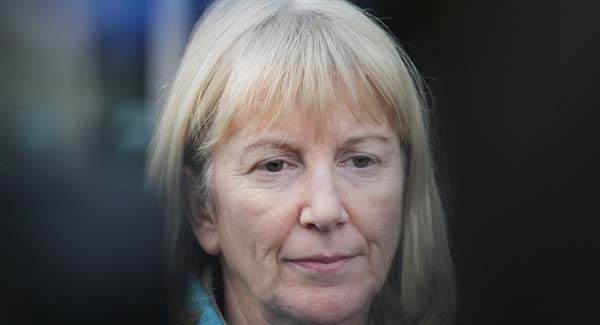
This is a moment to be humane. It is also a moment to try to, with honesty, imagine how any of us might cope in circumstances as destructive and numbing, as dark and unrelenting as those faced by Bernadette Scully and her 24/7-dependant daughter Emily.
This sorry story is, for those involved, tragedy on a grand scale.
It will echo through the rest of their lives, and, more often than not, be the closing, sleep-stealing thought as each day ends.
Some sort of emotional or psychological closure may seem a plausible ambition this morning but, in time, a basic acceptance might be embraced as a victory.
That is the challenge facing those directly involved, but for the rest of us we must, one more time, ask the unavoidable question: did we, through the services provided by the State, do enough to prevent this tragedy?
The answer is obvious and shaming.
Emily had microcephaly, severe epilepsy, and was not able to move or speak.
She was in significant pain for the last eight days of her life after a procedure to replace a lifeline tube into her stomach.
Her mother admitted she had administered an exceptional dose of chloral hydrate to Emily and because of that she was charged with manslaughter.
Not only was Emily’s quality of life utterly compromised but her profound, unchanging, unchangeable difficulties must have been, as any parent or sibling of a child so disadvantaged will confirm, a daily confirmation that life can be unrelentingly cruel.
That heart-of-darkness reality is exacerbated if parents are left more or less alone to care for a child who can never lead an independent life.
In this country, where a great number are so very loudly “pro-life”, thousands of elderly people spend the autumn of their lives wondering what might become of an adult child so disadvantaged after their death.
It is hard to conceive of a more difficult end-of-life issue.
In this sad moment, one with no winners, it is important to recognise the great work and sacrifice of those who work in the institutions where those who need shelter are offered it.
It is especially important to express that gratitude at this time of the year.
In a dark landscape this is often a real and vibrant expression of the selflessness and love beyond many of us.
Many of the issues dividing this society played a part in this tragedy.
Everything from the most basic — better paid public servants or better public services; lower taxes and weak services or the higher taxes alternative — to the one no political party has the stomach to confront, the Eighth Amendment.
Despite that what will change?
We have a great capacity for outrage, for making promises at the high point of the latest melodrama, but we seem far less effective at delivery.
We adopt causes célèbres, one after the other, but drop one as soon as another comes along. Emily Barut’s life, and her mother’s tragedy, should be a catalyst for real change but then the same was said about Susie Long after her avoidable death almost a decade ago.

CONNECT WITH US TODAY



Be the first to know the latest news and updates