Burren land use of benefit to locals
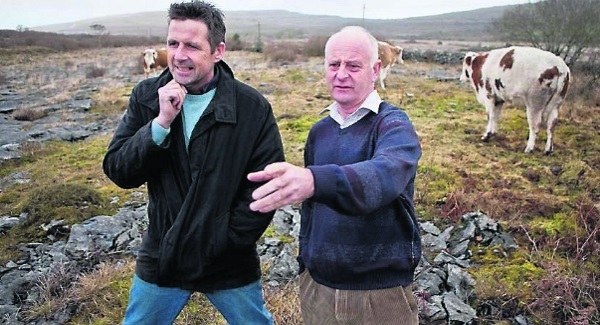
CLIMATE change is thrusting the issue of farming and the environment into the public arena more than ever before, nearly always controversially.
However, there are age-old practices which show that people can farm and protect the environment at the same time.
The Burren, in the northern half of Co Clare, is unique in many ways and people have farmed there for more than 5,000 years.
They do the opposite of what most farmers do at this time of year, a custom called winterage.
Under the Burren winterage practice, cattle are moved from the lowlands to the limestone plateau which has little soil coverage.
In highland areas of Ireland and other parts of Europe, the reverse happens, with cattle being moved to the lowlands and kept indoors until the ravages of winter have passed.
The start of the winterage season, around Halloween, has become a festive event which attracts people to the Burren.
Visitors are given first-hand insights and are taken on guided tours, as cattle are driven onto higher ground where they remain for five months.
The limestone provides what the farmers call a dry lie, as the rain drains away quickly and the ground is much warmer than low-lying fields which hold water and turn to mud in winter.
Calcium-rich water collects in shallow lakes around the Burren and is very good for cattle. Grass and plentiful water provide a good grazing environment.
The grass itself grows alongside many wild herbs, some of which the cattle eat improving the quality of their meat, we’re told.
At this time of year, most of the flowers for which the Burren is famous are dormant.
The region has 70% of Ireland’s native plant species. With cattle removed from the plateau in spring and summer flowers and insects can thrive.
I’ve found the late spring, or early summer, to be premium times to visit the Burren.
By May, the area is carpeted by an abundant variety of flora that colour the landscape.
Winter grazing protects archaeological sites as it slows the advance of damaging scrub. By clearing up vegetation in winter, the cattle pave the way for the annual growth of flowers such as gentians and orchids. Without winterage, other plants could take over.
Also, hoof marks provide pockets for new plants, while dung helps fertilise the soil.
The EU-backed BurrenLife project is working closely with farmers with the aim of finding a balance between active farming and protecting the ecology.
The hope also is that a blueprint is being created for farming in other sensitive areas. The Burren is on Ireland’s tentative list of world heritage sites.
CONNECT WITH US TODAY



Be the first to know the latest news and updates