More to the eye in plantation
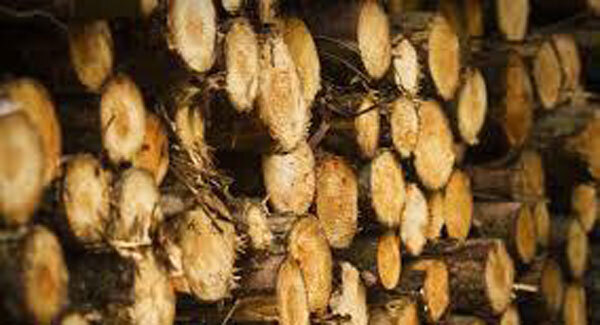
It’s not a very impressive plantation from a forestry point of view.
The trees are stunted and contorted.
The botanical name for the lodgepole pine is, in fact, Pinus contorta and, although there was a fashion for planting it on marginal land in the mid-20th century, it hasn’t proved to be a commercially successful species under Irish conditions, although it can grow into an impressive tree in its native range in America’s Pacific north-west.
On the face of it this plantation is a failure.
The timber in it is worth less than the cost of felling, extracting and transporting it.
The state foresters who planted it made a mistake.
However, judged by other criteria it’s a great success.
For one thing it’s spreading by natural regeneration.
The mature trees are producing prolific amounts of cones and seedling pines are sprouting out of the peat on surrounding areas of cutaway bog.
They are recreating a pine forest that existed here 5,000 years ago.
We know this because the bog has preserved many fragments of “bog deal”.
The original forest was of scots pine, not lodgepole, and it died out when the bog started to grow as a result of climate change and, possibly, the impact of Neolithic farming.
However, the two species are not dissimilar and the new forest that’s started to sprout since Bord na Móna harvested the bog must be quite like the one that grew here before the bog took over.
This has ecological implications.
The abandoned plantation now contains a breeding colony of crossbills.
Up until about 20 years ago these striking finches were only occasional visitors to Ireland.
They roamed in flocks across the great coniferous forests of northern Scandinavia, Russia, and Canada in search of cones of pine, spruce, fir, and larch which they prised open with their specially adapted beaks to get at the nutritious seeds inside.
Occasionally their search extended to Ireland.
There are records going back for centuries of people being surprised by the arrival of these strange birds, normally in autumn or early winter.
What happened in the past was that the birds remained in this country, in dwindling numbers, for a couple of years and then either died out or went back to where they came from.
There’s evidence from ringing records that some birds did return home.
However now, the crossbills have taken up permanent residence.
Mistakes made by 20th century foresters have added a new species to the list of Irish breeding birds.
CONNECT WITH US TODAY



Be the first to know the latest news and updates