Irish people must embrace electric cars
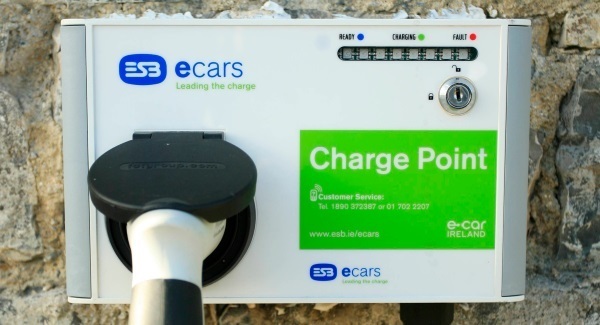
One in five new cars sold here must be electric within four years if we are to reach the country’s renewable energy targets, according to the Sustainable Energy Authority. In 2015, however, electric car sales accounted for 0.23% of all new sales, or 562 vehicles. Some chance of a sea change in attitudes in four years.
As in many other areas of life nowadays, the tendency is to look to the EU to see what’s happening there. While use of electric vehicles is increasing, they make up only 1.2% of passenger car sales in the EU. Also, electric cars only account for 0.15% of Europe’s total car fleet. This trend is bucked somewhat in countries such as Denmark and the Netherlands.


Read

Listen

Watch

Play
CONNECT WITH US TODAY



Be the first to know the latest news and updates







Revoiced
Newsletter

Had a busy week? Sign up for some of the best reads from the week gone by. Selected just for you.

Check out our diverse library of newsletters and get the best of the Irish Examiner delivered straight to your inbox
Most Read
Wednesday, September 30, 2026 - 9:00 PM
Wednesday, September 30, 2026 - 10:00 PM
Wednesday, September 30, 2026 - 6:00 PM