Not many people have seen the gudgeon fish
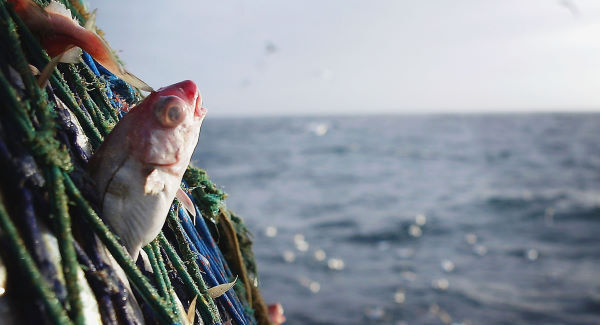
The gudgeon is a fairly widespread Irish freshwater fish but not many people have seen one. 
Not many people have seen the gudgeon fish

They’re quite pretty with a silvery, streamlined body, large spots on the flanks and an odd-shaped head with two whiskers, properly called barbels, hanging down from the mouth. They’re adapted to living on the gravel at the bottom of fast streams, though they’re occasionally found in slow-flowing or still water. They pass unnoticed because they’re small — too small to eat.

Apparently this wasn’t always the case. Izaak Walton, writing in the 1600s, is enthusiastic about their taste and in Victorian and Edwardian times there was a fashion for gudgeon parties where young ladies and gentlemen gathered on the river bank and fried up their catch. In fact, the word ‘goujon’ is the French for a gudgeon. But nowadays in Ireland the gudgeon is an unfashionable quarry.

Despite this, I set off the other day for the River Inny to catch some. I was armed with very light float fishing tackle and some size 20 hooks. These are tiny, far too small for me to have any hope of tying one on, but luckily you can buy them already attached to a piece of fine line. As bait, I had pinkies, an anglers term for a small breed of maggot normally used by competitive coarse anglers who are trying to fill a net with tiny fish and build up a big weight.

I knew there were gudgeon in the river. In fact, the water was clear enough to see them from the bank, moving like finger-length shadows across the gravel. But for a long time all I caught was very small perch and roach. Then the gudgeon started to come and I ended up with half a dozen in my keep net.

There is no Irish record for gudgeon because nobody has ever bothered to claim it. But I had persuaded a good-humoured man from the Irish Specimen Fish Committee to meet me on the bank that evening and to bring along special scales and a measuring mat. My catch looked a bit out of place on the mat, which had apparently been designed to measure everything up to and including blue sharks, but the scales were meticulous and I can announce to an expectant world that my largest gudgeon weighed 29g.

This is not an official record because the committee requires several entries from different places before it can award one. Nor is it a particularly big gudgeon. The British record is five ounces, which is about 142g, or around four and a half times as heavy as my best fish. So if you’re an angler with an interest in record and specimen fish the bar is not set too high. Oh, and I’ve just discovered there’s a British rod-caught record for sticklebacks. It’s four drams or a quarter of an ounce — about 7g.

More in this section

Revoiced

Newsletter

Sign up to the best reads of the week from irishexaminer.com selected just for you.

Cookie Policy Privacy Policy Brand Safety FAQ Help Contact Us Terms and Conditions

© Examiner Echo Group Limited