Managing health budgets - Limited cash, hard choices
Those arguments are equally valid in Ireland.
The shortcomings of our public health service have been, and will be it seems, an issue every time Irish people vote on more or less anything.
So too will be the difficulties faced by many, many people, especially younger people, trying to live and work in an environment where so many of the old, levelling certainties and protections have been swept away.
One of those protections is our public health system and, despite the best efforts of a litany of committed health ministers, albeit some braver than others, difficulties persist and very many sick people do not get the attention they need when they need it.
Naturally, this generates dissatisfaction that, all too easily, turns to anger — as David Cameron found out too late.
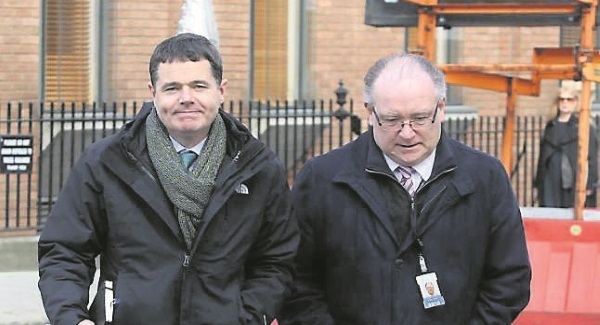
The Minister for Public Expenditure and Reform, Paschal Donohoe, has thrown his tuppence-worth into the melee, warning that health budgets are finite and will not be supplemented.
He has warned that there will be consequences for those hospital managers who over-spend.
For decades, that argument that you cannot predict accurately how many people will need to use hospitals, has facilitated an open-ended budget culture.
Health managers, often with the very best of intentions, have understood this and spent money they had not been allocated. They argue that treating patients is more important than balancing the books.
Another contributory factor is the €22m wasted each year because people do not attend outpatient appointments and fail to give notice that they will not attend.
This shows a flagrant disregard for the service, and sanctions must be imposed to stamp the habit out.
Should a person miss an appointment and not give notice, they should have to pay the cost of the missed appointment before another one is offered. Problem solved.
CONNECT WITH US TODAY



Be the first to know the latest news and updates