Waiting on buzz of summer
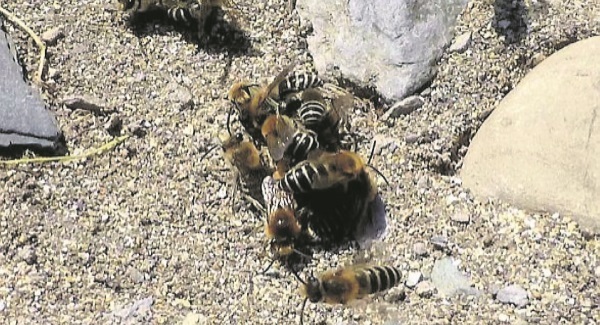
The bumblebee, so critical to the growth of plants, doesn’t seem to have yet emerged from hibernation. At least we haven’t heard it. It normally comes out in the spring when plants begin to flower. But then, we haven’t seen much flowering, or even grass growth.
Vegetable garden planting is also being delayed as the ground in many areas is still wet and cold after a long, miserable winter. Which again leads us to question the wisdom of the old tradition that early, sprouting potatoes should be in the ridges by St Patrick’s Day. Yours truly faithfully follows that rule but, in future, it might be better to wait for more clement growing conditions.
Children and young people these days have a plethora of ways and means of learning about the natural world, including the recently-announced Junior Pollinator Plan, by the Heritage Council, which highlights the importance of bees in our world.
A third of Ireland’s 98 bee species are under threat, with starvation because of the decline in wildflowers being a serious factor.
A modern tendency to tidy up the landscape, rather than allowing wildflowers grow, is playing a big part in reducing resources for bees.
We have one species of honeybee which makes honey from nectar and lives in man-made hives. There are 20 different species of bumblebees —the furry, stripy fellows, which are important pollinators of crops like strawberries, apples and tomatoes. We also have 77 species of solitary bees.
We know the bumblebee is at work when we hear it buzzing, busily moving pollen from flower to flower and plant to plant, thus enabling seeds to grow. Pollen in some plants is so light that wind blows it: this is the stuff that causes hay fever, getting into people’s nose and eyes.
The pollinator plan — presented in an easy- to-understand, interesting and stimulating manner to young people — is supported by Green Schools and Eco-Schools.
It dispels the belief that people should be afraid of bees, telling children not to be scared. If you leave bees alone, they won’t harm you is the message.
Butterflies, moths, beetles, wasps and ants like to feed on flowers and also do their bit for pollination.
By the way, that harbinger of early summer, the bluebell, also seems slower than usual in bursting forth. When we see the bluebell and hear the bumblebee, we know summer is on the way and, hopefully, that shouldn’t be too long more.

CONNECT WITH US TODAY



Be the first to know the latest news and updates