Business warns on Brexit vote: Negative campaigning won’t work
The lowest turnout recorded was in 1979 when just 28.6% of the electorate voted on adoption and university representation in the Seanad. Even though apathy prevailed, hard-to-change decisions were made. Nevertheless, a reasonably healthy 65.2% of voters went to the polling booths in the February election, a far cry from the disturbing 3% rate recorded in some of Dublin’s inner city constituencies in earlier polls.
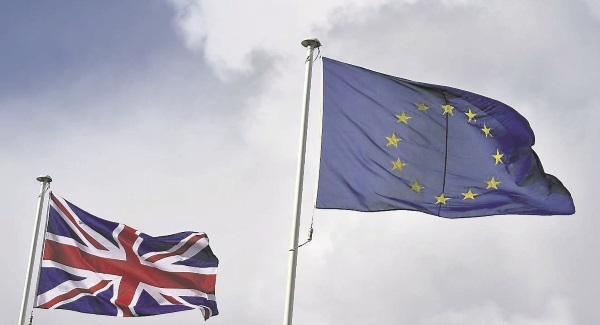
It is difficult though to generate excitement, or even interest, in a vote that we cannot take part in, even if it might have a significant bearing on our lives and our economy. The vote, on June 23, on Britain’s continued membership of the EU falls into that category. Like cricket, we know it means something and is extraordinarily important to some of our neighbours, but we are not really engaged, much less enthralled. Maybe we should be.
As the date approaches — it’s barely more than 70 days away — Irish business has reiterated concerns about the implications of a leave vote. Ibec warned that: “A UK departure would be a blow to the Irish recovery and result in a protracted period of uncertainty for business. It would undermine Europe’s ability to act collectively and decisively in the world and could push the EU back into a dangerous period of crisis management.” That prospect, warns Ibec, is exacerbated by ongoing political instability.
Peter Sutherland, a man with more experience in managing international trade rules than most, has warned that claims by the leave campaign that “a post-Brexit UK would miraculously maintain all the rights and opportunities the European Commission has negotiated for it over the years in EU trade agreements ... is simply untrue”.
Apart at all from warnings, the dreaded prospect of the reintroduction of a hard border dividing this island is a cause for great concern. It is hard to imagine that it would not be again exploited by terrorists and criminals.
These arguments have been, naturally enough, rejected by those in Britain who wish to quit the EU “to regain their sovereignty”. They suggest, despite difficult treaty after treaty, despite hard-won trade deal after hard-won trade deal, a Britain finally freed from Brussels’ red tape will be able to negotiate new deals with old partners. Possibly, but it is hard to imagine that would be an easy or quick process.
Polls suggest the race is now neck-and-neck, so the remain campaign is losing ground. Its leader, David Cameron, has been weakened by the Panama Papers controversy. His credibility affects the credibility of his EU message. The Dutch ‘no’ last week also helped the leave campaign.
If Britain, our main trading partner, leaves the EU we are bound to feel a chill wind. Therefore it is unfortunate that the remain argument is framed in such negative terms. It might be worth telling our British friends about all the good the EU has done, especially in modernising countries like this, instead of trying to cower them with dire warnings. It is, after all, and despite the EU’s myriad faults, a good news story.
CONNECT WITH US TODAY



Be the first to know the latest news and updates