Sugar tax a first step in obesity war - UK introduces sweet drinks levy
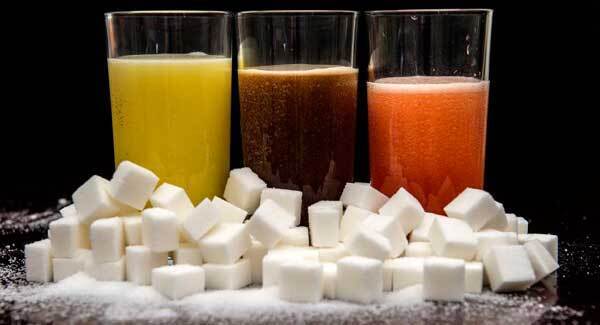
One estimate suggests that obesity-related illnesses cost Britain’s NHS more than €2 billion a year. America’s medical bill for obesity at the turn of the decade was pitched at €135bn. The American Heart Association warns that soft drinks and sugar-sweetened beverages were the largest contributor of added sugars in Americans’ diets.
Introducing his budget last October Finance Minister Michael Noonan dismissed the idea of a sugar tax but that untenable position has been, thankfully, abandoned. Fine Gael, Fianna Fáil, Sinn Féin, and Labour all promised to impose a sugar levy in their election manifestos. Such impressive unity, such common purpose, may not be a sign of parliamentary harmony to come but it does suggest that the majority of politicians have come to accept, especially after the decades-long war with the death-peddling tobacco giants, that public health issues trump the interests of food conglomerates. Fianna Fáil went even further and proposed to ban television advertising of foods high in fat, salt, and sugar before 9pm.
The reality is that governments cannot avoid imposing sugar levies more or less immediately and will eventually have to consider taxes to curb the levels of fat and salt used in foods, especially in convenience or fast foods. Of course, there will be the usual caterwauling about free choice, free markets, and ever more intrusive nanny states. Industry lobbies will produce all sorts of charts showing that taxation will not change habits but their determination to oppose them, and the millions they freely spend doing so, suggest otherwise.
Sugar levies are imposed in Denmark, France, Mexico, Norway, South Africa, and the United States. Even St Helena — population about 4,500 — has imposed a levy of almost €1 on a litre on carbonated drinks with more than 15 grams of sugar per litre. The impetus is glaringly obvious. Science has shown how destructive to an individual’s health excessive consumption of sugar is but despite that far too many of us consume far too much sugar and far too many of us turn a blind eye as our children develop the life-long affliction commonly known as a sweet tooth.
And it is not as if we have not been warned. The WHO predicted just last year that Ireland will be the most obese country in Europe. By 2030, when today’s toddlers are playing minor hurling, the proportion of obese or overweight men in Ireland will hit 89% with 85% of women falling into that category. This is unsustainable and it, frighteningly, suggests that we cannot be trusted to manage our own health. In this context a sugar levy is overdue and just one of the many measures we will need to adopt in the war for the nation’s health. Thankfully, there seems a political majority ready to impose such a levy; let them get on with it.











