Gifting a seat through co-opting is undemocratic and should be ditched
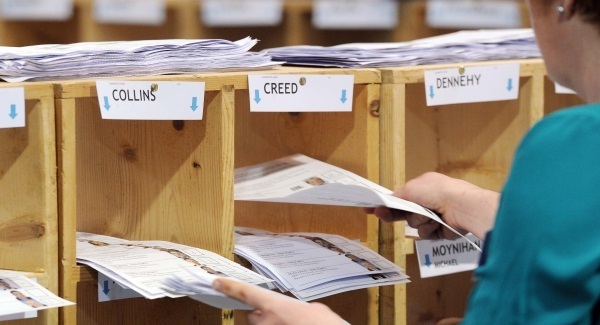
Our proportional representation electoral system has (as always) provided fascinating and, for some candidates, agonising results from first counts to re-counts in our recent election. The uniqueness of PR and the single transferable vote is that it is intended to reflect the preferences of as many voters as possible.

Gifting a seat through co-opting is undemocratic and should be ditched

A common catch-cry that has arisen from our current kaleidoscope of representatives is the need for Dáil reform. While such calls may be well founded and well intentioned, they can often sound meaningless to the ordinary citizen far removed from the remoteness of the Dáil chamber.

Political reform is usually slow, and very often un-noticed by the majority of citizens pre-occupied with the personal life issues that prompt them to either vote or not to vote. Many may have forgotten that fewer TDs were on offer in this election (whoever said there were too many?), and the change in Dáil procedure for the election of the Ceann Comhairle can also be counted as part of an evolving process of reform.

But at local Dáil constituency level, the results of this election have highlighted yet again, a need to examine and reform the process by which a non-candidate gains political office by un-elected means in the process of co-opting.

The co-opted individual is essentially gifted a local authority seat — often the first step to run for a Dáil seat — and is practically always someone known to the politician that is vacating that local authority seat, whatever the reason may be for the vacancy arising. However, the current system of co-opting a replacement means that a person who may not originally have declared themselves before the electorate in the election for that seat, is deemed elected while never having appeared on a ballot.

The legislative rationale for keeping that replacement ‘in-house’ seems to be based on the notion that the electorate voted for the departing incumbents’ political grouping, be that aligned or non-aligned.

But given the preferential nature of the single transferable vote, this should not actually be the case. If we are to be true to the principles of Proportional Representation, then the choice of the electorate who voted on candidates who took the trouble to stand before them, not only declares the first placed candidate, but also the second, third, and so on. Therefore, the replacement for any vacancy that arises whilst the writ of that election still runs large (ie, until there is another election) should be the next available candidate, based on their preferential vote received in that ballot and not on political connections.

Breandán O Conchúbhair

Buaile Uí Cadhla

Ceapach Choinn

Co Phort Láirge

More in this section

Revoiced

Newsletter

Sign up to the best reads of the week from irishexaminer.com selected just for you.

Cookie Policy Privacy Policy Brand Safety FAQ Help Contact Us Terms and Conditions

© Examiner Echo Group Limited










