#GE16 analysis - PR system is a cruel game, but we still give it No 1
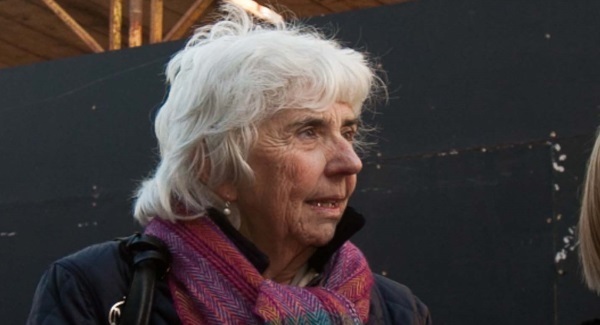

The Dublin Central TD is one of finest parliamentarians in the Dáil. She does not score points. She does not shout insults, or throw little bitter asides across the floor.
Since she was first elected in June 2009, she has performed as parliamentarians should, representing her constituency while always engaging with national issues, and concentrating on a few ones dear to her political heart.
During Saturday, it looked as if her number was up. The tallies in the RDS suggested that she would lose her seat to a combination of a major surge from another favourite in the inner city, former mayor Christy Burke, or the new kid on the block, the Social Democrats’ Garry Gannon.
Bafflement and sadness surrounded the news as her fate went from being “in trouble” to “too far behind”. I didn’t meet her in the RDS, and heard that she had gone home to grieve alone at around 5.30pm.
More than four hours later, before heading for home, I remembered that I had her number in my phone and on account of the esteem in which I held her I did something that I never have done before. I texted a politician to offer my condolences on her loss.
“Very sorry to hear of the loss of your seat Maureen. The next Dáil will be all the poorer. Hopefully we will see you back there again.” Within an hour, to a combination of elation and horror, the graphic on the TV showed that she had made what she herself would call “a Lazarus” comeback.
The popularity and respect in which she is held ensured that even those who had not given her a No 1 did not forget her further down the ballot paper. She managed to garner an amazing level of transfers to actually take her over the line. I was on the phone again before you could say “recount”.
Prefixing my next message with the name of the son of God, I texted: “Scrap that. Delighted to see I was completely wrong.”
Deputy O’Sullivan’s comeback was just one of the hundreds of tiny human dramas that littered the count over the weekend. There were others that saw politicians cling to hope again and again only to see it dashed.
Labour’s Kevin Humphries is regarded as possessing the wisdom of an owl when it comes to predicting early on how a count will go. By 10am, he was convinced he was gone. Then it looked for a while like he might make it. Then it looked as if he wouldn’t. Then he didn’t know what to think. In the end, he lost out.
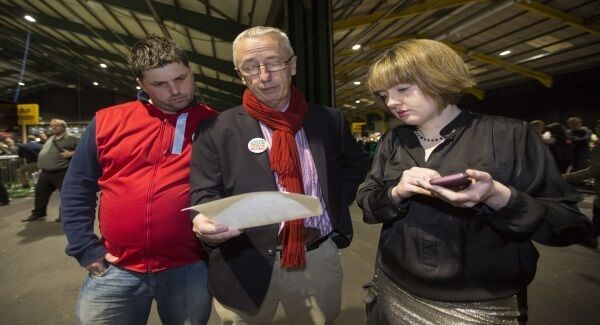
Another who was thought to be dead and buried was Katherine Zappone. Her fate in Dublin South West looked to be sealed from early on Saturday, but again she was transferred all the way into a Dáil seat.
It was the same story up and down the country. This was democracy in action, but not as most of the world knows it. Our PR single transferable vote system does that to candidates. The end of one’s tenure in the national parliament, or the end of hopes of reaching there, often occurs over the course of not one but often two days. Here and there the agony persists into the following week, and that’s before you even get into the dreaded recount.
Such is our electoral system. Only three countries use one similar to us, but it is something that the public apparently hold dear. We are told that it is the system that is most representative of the electorate’s wishes.
It can hardly be argued that the system has led to better governance. Of course there are other factors contributing to a general feeling that we have not been well governed over the last eight decades. One argument to get rid of the system is that it leads to too much competition between candidates, particularly those of the same party.
In recent years there has been comment on whether it would be better to be shot of the system but as two referendums over the years showed that the electorate would prefer to keep it, there is little prospect that it will be revisited in the near future. Still, it’s an awful ordeal to put candidates through in the days after the poll closes.
One other noteworthy aspect to the election is the role that luck has played in the career of Enda Kenny. He was lucky to become Fine Gael leader in 2002 when all the more likely candidates had been turfed out at the polls.
He was lucky in his enemies in the party in 2010 when there was a pathetic heave against him. And he was lucky to be leader of the opposition when the incumbent government ran the ship of state onto the rocks.
He’s lucky again. He effectively lost this election, but despite that he will, in all likelihood still be the next Taoiseach because of how the chips have fallen.
What can be said for him though is that he has certainly made the most of his luck.
CONNECT WITH US TODAY



Be the first to know the latest news and updates