No place for secrecy in tobacco talks - EC fails transparency test
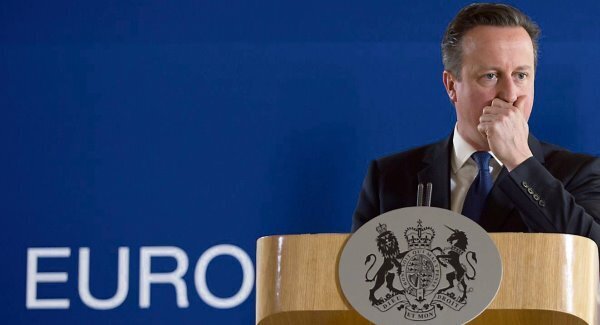
That Britain may quit the EU, and all of the consequences that would bring for this island, hinges on these talks makes this latest bureaucratic hubris all the more difficult to take.
Offering, albeit unintentionally, eurosceptics another stick to beat the EU with, European Ombudsman Emily O’Reilly strongly criticised the EC’s refusal to make its dealings with the tobacco industry more transparent, and accused the EC of ignoring World Health Organization (WHO) disclosure rules. The EC rejected the findings insisting it observes WHO rules. Irrespective of rules or any Jesuitical hair-splitting, all contacts between the EU or the EC — and all national governments — and tobacco should be immediately published in their entirety. This demand comes after decades of tobacco dishonesty aimed at cowering national legislators to allow them to continue to sell their toxic products and kill the customers they addict to their hateful products.
The disastrous impact tobacco has on the health of those who use it, and on national health budgets too, is so profound, that a refusal by any authority to be less than absolutely open about their dealings with the tobacco industry must set alarm bells ringing. This suggests that Ms O’Reilly’s position must be supported and that the EC must publish the full details of their relationship with tobacco lobbyists.
The two Irish ministers who bore the brunt of the tobacco giants’ lobbying — Micheál Martin and James Reilly — will confirm the industry will use any leverage, any influence it can bring to bear, to continue to sell its health-destroying products. Our ministers were subject to threats about jobs and court challenges by the industry’s lobbyists. Both men are to be congratulated for their steadfast opposition to the industry’s amoral machinations.
Just last month, Mr Reilly, now Minister for Children, in a letter to EC vice-president Frans Timmermans, expressed “concern about the manner in which the EC manages its interactions with representatives of the tobacco industry” and argued that “such lobbying and influence should not be hidden from European citizens”. He is absolutely right and should be supported in his efforts to achieve transparency in this relationship.
Mr Reilly and his cabinet colleagues, to their credit, have introduced legislation around lobbying that would make it impossible for the EC to keep elements of their relationship with big tobacco secret.
The Regulation of Lobbying Act 2015 was signed into law almost a year ago and provides for a web-based Register of Lobbying to publish the identity of those communicating with officials to influence policy. It would of course be naive to imagine details of all lobbying is published but, in this instance, the EC and the EU have failed a basic credibility test.