Powerline pose danger to birds
AN elderly nun of our acquaintance, long since living overseas, likes to whimsically recall the days when she could look out the front door of her old home and watch geese in the bog below, writes Donal Hickey

Powerline pose danger to birds

When the 90-year-old sister returned after many years she noted, sadly, the bog had disappeared. Acres and acres of forestry had grown up where it used to be and locals could not remember how long it was since they had seen geese there. The nun was astounded by a landscape changed beyond recognition.

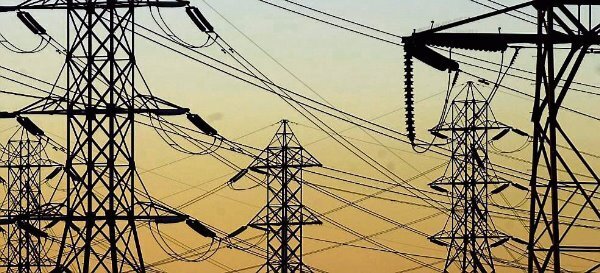
The loss of wetland habitat, countrywide, has serious consequences for wildlife such as geese and swans. As well as that, electric powerlines are now one of the major causes of bird deaths in the world, through collision and electrocution.

Birds can find it difficult to see powerlines, especially in poor weather, while those flying in dense flocks and those flying at night can easily fall victim to powerlines for obvious reasons. Migrating birds flying at heights below 50m have a significant collision risk.

Whooper swans, the most numerous of the species here, are particularly vulnerable to powerline collisions, according to Ecofact, the leading ecological consultancy which is doing a survey of wintering birds in the Midlands.

Whooper swans are winter visitors from Iceland. We host about 15,000 of them from October to April. They use wetland roosts and graze fields by day. These swans cannot twist and turn easily in flight, due to their high wing-loading, and also have narrow vision which limits their ability to see objects ahead.

They are, therefore, likely to collide with telephone and powerlines, trees and wind turbines during their typical low-altitude flights between roosting and grazing sites. Poor flying conditions, including strong winds and poor light conditions that could affect a bird’s manoeuvrability during flight, add to risk.

Many powerlines were erected prior to the EU Birds and Habitats Directives, in times when wildlife was given absolutely no thought. Some cross through important bird habitats and migration pathways, while the recent increase in windfarms has led to the construction of a new network of transmission lines.

Nowadays, issues in relation to birds and powerlines are understood better, with new developments subject to detailed assessments and the planning process. Undergrounding of lines is an obvious solution, but is not always possible. Where overhead powerlines are used, however, they have be carefully located and not allowed in widely-used bird flight paths.

A huge rise in the in the number of one-off houses in the countryside is another significant factor, as such houses obviously need electrical and telephone connections.

More in this section

Revoiced

Newsletter

Sign up to the best reads of the week from irishexaminer.com selected just for you.

Cookie Policy Privacy Policy Brand Safety FAQ Help Contact Us Terms and Conditions

© Examiner Echo Group Limited