Invest now to strengthen the recovery - Managing economic growth
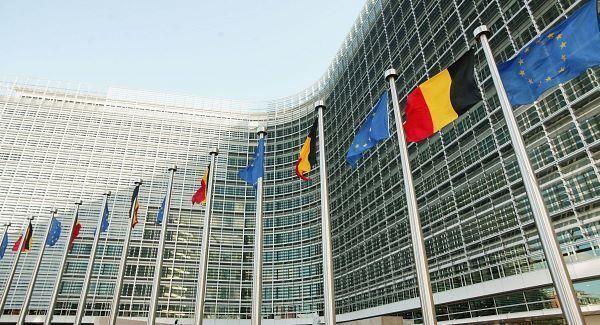
IT must seem some sort of a miracle that the European Commission is able to suggest that this economy will grow by six per cent this year, the fastest growth rate expected in the European Union. That optimism extends to 2016 when the EC anticipates growth of around 4.5%. 

Invest now to strengthen the recovery - Managing economic growth

That this rate has been achieved just seven years after the greatest economic collapse of modern times, possibly even in the life of this Republic, is truly remarkable.

Even our Government’s most ardent critics, and their criticisms are often justified, must acknowledge the scale of this turnaround and the great relief it brings to the national psyche. Yesterday’s figures showing that the number of unemployed people signing on the Live Register fell by 4,400 last month, a decline of 1.3% over September, can only add to that uplifting momentum. There were 332,200 people on the register at the end of October as against 336,600 for the previous month and in unadjusted terms 320,794 people signed on, down 10.6% on October 2014. The EC predicts this trend will continue suggesting that unemployment will fall to 8.7% next year and hit 7.9% a year later. This may not be a recovery on a par with Lazarus’ spectacular rejuvenation but it is certainly one that was unimaginable even a few years ago.


And because life is always an uneven, complex thing where success is often a precursor to risk, these figures bring their own challenges and we don’t have to look too far to see them. How we respond to those challenges will play a decisive role in how secure and widespread this recovery becomes; whether it is sustained or just another short-term spin on the boom-and-bust merry go round. The choice is all ours.

Just yesterday we had a story about a shortage of ambulances on the night a man bled to death five minutes from an ambulance base. We had a story about a 91-year-old man spending 29 hours on a hospital trolley waiting for a bed. Earlier this week the children’s Ombudsman reported that we still put mentally ill children in wards with mentally ill adults. This morning we had a disruptive three-hour rail strike over a pay dispute. Two of the country’s largest teacher unions — the TUI and ASTI — have rejected the terms of the Lansdowne Agreement as have two garda representative organisations. Unwise concessions have already been made on how public sector employees fund their pensions. Expectations are high in the private sector too where nearly all employees expect moderate pay rises in the next 12 months, though there is a significant rump who know they will be lucky to hold on to what they have much less get a pay rise.

This witches’ cauldron is fuelled by the immediate prospect of an election and the auctioneering that will provoke. That auction will commit resources inappropriately because we demand it. How much better it might be if we demanded an end to hospital queues, garda shortages, overcrowded classrooms or any of those myriad social failings so often cited by emigrants as reasons for not coming home. How much better it might be if we invested for tomorrow rather than spending for today. Maybe it’s time to ask what’s in it for us rather than what’s in it for me. If we did the recovery just might continue.

x

More in this section

Revoiced

Newsletter

Sign up to the best reads of the week from irishexaminer.com selected just for you.

Cookie Policy Privacy Policy Brand Safety FAQ Help Contact Us Terms and Conditions

© Examiner Echo Group Limited