Rural attitudes - Abortion law is too strict, say farmers
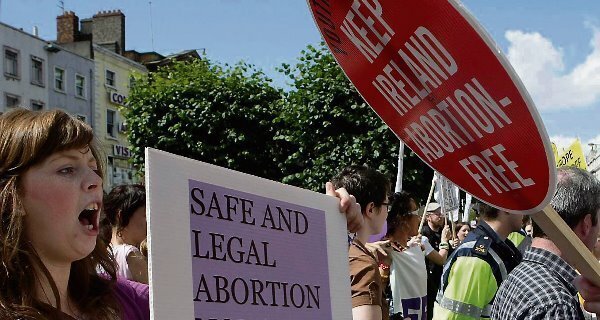
If he did not then, it must be assumed that most of his successors did regret the fact that he brought such a polarising issue to the centre stage of our political life but then, as now, the issue was unavoidable. Like it or not, abortion is part of our world, even if it is illegal in this State. Honesty decrees that we deal with it sooner or later, one way or another.
The issue, one that has drained so much energy from our political discourse, is usually dropped like the hottest of hot potatoes by whoever is in government because no matter what was, or might be, decided on the subject, some section of society will be outraged. However, European court rulings, preventable tragedies in our hospitals where lives were unnecessarily lost, the end of the Catholic Church’s hegemony in our public affairs, and what seems to be a far less absolute public attitude on abortion today means that it is unfinished business rather than something carved in stone.
Last week, at the Fine Gael pre-Dáíl meeting, Taoiseach Enda Kenny once again kicked to touch when he refused to commit to holding a referendum on repealing the eighth amendment of the Constitution, which gives an equal right to life to a mother and the unborn, if Fine Gael was returned to government after the looming election.
Mr Kenny said he would not abolish the amendment without consideration of what might replace it. That may seem a rational position but, in reality, it is evasion masquerading as leadership — one of the shabby, cute-hoor habits that has alienated so many citizens from politics. It shows, too, Mr Kenny’s reluctance to allow a vote on matters of huge public concern, just as he did when he ruled out a referendum on the proposal to copper-fasten Irish Water in public ownership.
It is not too cynical to suggest, though, that the Taoiseach and his strategists might change their minds when they read today’s opinion poll that shows that nearly two thirds of farmers — 64% — believe our abortion laws should be liberalised. After all, Mr Kenny and his colleagues may remember that a poll published in this newspaper during an earlier ploughing championship week showed a majority of farmers — unexpectedly — were in favour of legalising same-sex marriage. A group imagined as conservative was ahead of public, or at least political, perceptions. Labour has said it will make a referendum on the issue part of its manifesto, so the finding that support for a constitutional change is strongest among farmers under 34, with 76% of respondents supporting a revised eighth Amendment, may yet influence our laws.
It is easy to see why any politician would avoid this issue but pretending that Ireland has not changed since Garret FitzGerald made that pledge in 1983 is one of the delusions that offers such opportunity to those waiting on the wings to take power from our largely moderate political parties.