Roach and dace in harmony at Shannon Bridge
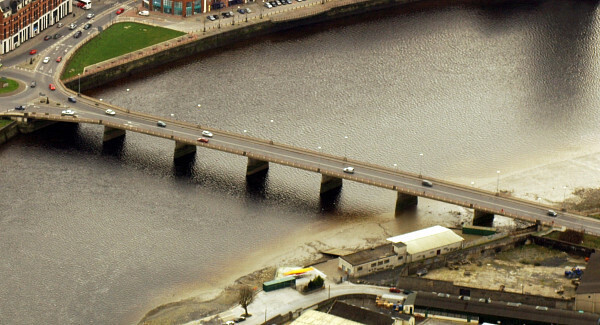
The other morning, moored up at Shannon Bridge, there was a half loaf of stale bread to add to the crusts.
The mallard, of course, were in the front row of the scrum but then, rather strangely, a large white domestic goose turned up and bullied them out of the way. Then a pair of swans came sailing in to put manners on the goose. As the birds grabbed at the pieces of bread crumbs were knocked off them and these were grabbed by fish. Soon the water was boiling as a whole shoal of roach entered the fray.
Roach are cyprinids, members of a large family of freshwater fishes that includes the mighty carp and the little goldfish, but they are not a native Irish species. We have an unusually precise record of their introduction.
It happened in the winter of 1889. An English angler came over on the mail boat to fish for pike in the lower reaches of the Munster Blackwater. The method he intended using was live baiting.
Nowadays this method is banned here but it was legal at the time. So as not to waste any of his holiday time catching the baits here he decided to bring them from England in bait cans. In 1889 the rail and ferry services were so efficient that transporting live fish didn’t pose any real problems. Among the small fish he brought over to lure the pike were two coarse fish species that were found in Britain but not in Ireland — roach and dace.
At the end of his holiday some of his live baits were left over and, rather than bringing them back to England, he tipped the cans into the Blackwater and, within a few years, roach and dace were established in the river.
They remained confined to the Blackwater for about 70 years. Then, mysteriously, roach turned up at the other end of the country in the Erne system. They must have been illegally introduced by an angler, or several anglers, who liked roach fishing but whether they were brought from Munster or were a second introduction from Britain is unknown. They spread rapidly and are now found in lakes, rivers and canals all over the country.
Like many introduced species, they underwent a population explosion when they first colonised a new water. This caused alarm among angling clubs and fishery authorities, particularly when they turned up in trout fisheries, and large-scale efforts were made to eradicate them. These were all failures but today roach have reached a state of ecological equilibrium and seem to be co-existing with our other fish species.
About 30 years after the spread of roach the Blackwater dace made a similar Houdini escape.