Swanning it up on Shannon
By mid-August in a good summer the greenness has faded from the countryside to be replaced by various shades of brown as grass seeds ripen and falling soil moisture begins to wither other plants. This summer, the fresh greens of May and June have lasted until now.
I was struck by this as I steered my boat along the Shannon. When the rain eased enough for me to see out of the wheelhouse windows the banks were practically glowing with green.
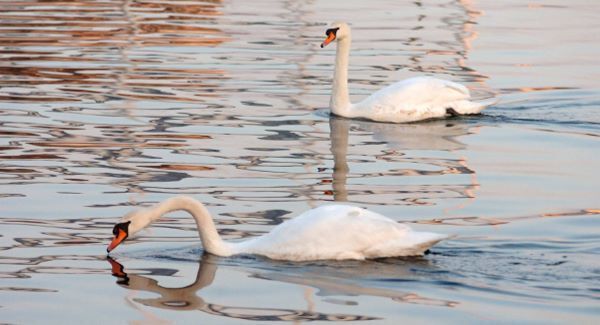
The other thing that struck me as I travelled slowly between the lush banks was the aggression of male swans. I was attacked roughly every half an hour. At this time of year most breeding pairs of swans have cygnets that are duck-sized, or a little smaller. The cygnets stick with their mother, learning how to forage for lush water weeds in the shallows along the bank. The male swan is on sentry duty, prepared to attack anything that might pose a threat to the family — even if the threat comes in the form of a 10-metre steel cruiser with a large dog on the foredeck.
He reacts by half opening his wings to make him look bigger, stretching his neck forwards, hissing and charging at the intruder. Sometimes he’ll spread his wings fully and go into a take-off run, beating the water noisily with his wing tips.
I know this is all bluff and that there’s no real damage a swan can do to a person or a dog. The stories about dogs being drowned and people having their arms broken are the rural version of an urban myth. However, I must admit if I’m out in my canoe, which could quite easily be capsized by an irate swan, I tend to back off and paddle to a swan-free zone.
Adult swans have no predators in this country, though there is a possibility that this may change if white-tailed eagles succeed in establishing themselves as a breeding species. They are one of the world’s largest eagles and have been recorded preying on mute swans. However, cygnets when they’re small are prey to several birds, animals and even fish. Some authorities deny that pike take cygnets but I have seen very good evidence that it does in fact happen from time to time. In addition, birds like hooded crows, the larger gulls and even herons will kill and eat cygnets, as will mink, foxes and even, when the cygnets are very small, brown rats.
So the aggression of the male swan, even if it’s a bluff to conceal the fact that he doesn’t have much in the way of defensive weapons, is necessary to protect his vulnerable offspring. It’s also just as well that his behaviour is not totally successful because otherwise we would be over-run by swans.











