Dormouse found in Ireland
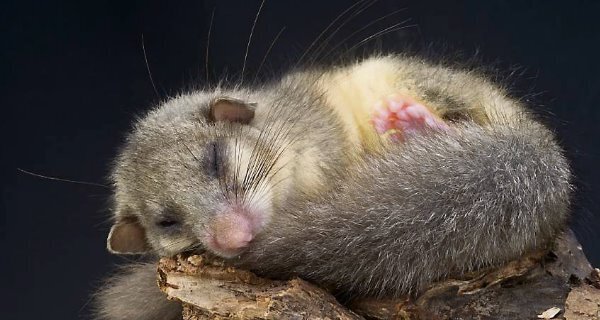
THE common dormouse, made famous through the Mad Hatter’s tea party in Alice’s Adventures in Wonderland, has been found in Ireland and is being treated as a non-native species. 

Dormouse found in Ireland

There have been confirmed sightings of 14 individuals in a relatively small, 30sq km area near Newbridge and Naas, Co Kildare. The dormice appear to be thriving, according the latest publication of environment proceedings of the Royal Irish Academy (RIA).

Dormice are now very scarce and endangered so they are protected under the EU Habitats directive. They are found in parts of England and other European countries, but were not known to be here until recently.

How they came to be introduced here is not known but they could have come in on hay from the horseracing industry or the horticultural trade. There have been other possible sightings in other locations in Dublin, Laois, Tipperary, Clare, Galway, Mayo, Kerry, and Westmeath.

A rapid spread through the country is unlikely, nevertheless, as dormice are reluctant to cross open ground. They tend not to engage in long-distance movement and generally travel through hedgerows which provide good cover. Given that we still have a lot of hedgerows, they may find a compatible habitat.

In comparison with Britain, however, we’re species-poor in regard to small mammals. Britain has four mouse species, four vole species, four shrew species, one squirrel species and the one dormouse species. In contrast, we have only five small mammals — the pygmy shrew, the woodmouse, the bankvole, the greater white-toothed shrew and the red squirrel. Only the shrew, the woodmouse, and the red squirrel are considered native.

The dormouse comes out at night and is mainly found in forests with a thick layer of undergrowth. Climate is the main limiting factor in dormice populations. The RIA study stresses hibernation through the winter months is essential to its survival, reducing the time in which they can breed. In view of the climate and weather, the study concludes that a population explosion here is unlikely.

Keeping an eye on the spread and growth of the dormouse in the next few years is going to be crucial to see if the population expands and how this new arrival interacts with native species. As the dormouse is only 6-9 cm long, with a tail almost as long, and has golden brown colouring it’s not easy to spot, but shiny eyes can be a giveaway. Its diet includes flowers, pollen, fruit, nuts and insects, while honeysuckle, bramble, and oak are important food sources.

More in this section

Revoiced

Newsletter

Sign up to the best reads of the week from irishexaminer.com selected just for you.

Cookie Policy Privacy Policy Brand Safety FAQ Help Contact Us Terms and Conditions

© Examiner Echo Group Limited









