Feral cats a big risk to hens
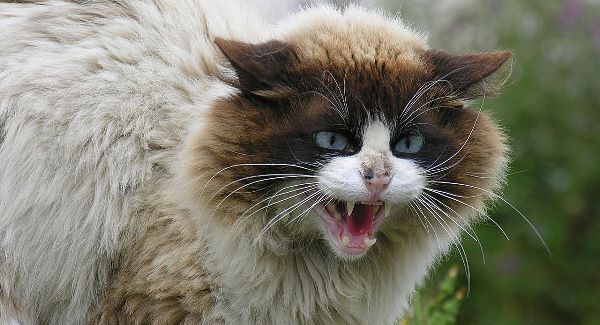
A few weeks ago on this page I mentioned the mysterious slaughter of my hens, writes Dick Warner

Feral cats a big risk to hens

Some unknown predator was arriving in the night and killing one of the birds, often decapitating it and making off with the head. Because my hen run and hen house are very well protected and the predator couldn’t remove the whole body of the hen I assumed it was something very small and suspected a stoat.

One morning I went out and the last hen was dead. The body had been dragged into a corner of the run, and once again, the head was missing. However, as I walked up to remove the body for burial the mysterious predator returned for a second helping. It wasn’t a stoat it was a large tabby cat.

I wasn’t sure what to do about this. I was prepared to replace the hens but I have no interest in keeping poultry that are confined in cat-proof cages like battery hens or ones that are going to be regularly decapitated by a feral tom. I thought it might be a good idea to get to know the enemy so I looked up feral cats on the internet, where there’s a considerable amount of information.

A stray cat is one that has been born as a domesticated cat but then, for one reason or another, taken to the wild. A feral cat is one that is defined by having been born in the wild, either as the offspring of a stray cat or of a feral cat. They are found in urban and rural areas and there is no exact census of the number of them in this country but Feral Cats Ireland, estimates ‘hundreds of thousands, and the ISPCA, says ‘upwards of 200,000’.

The charities that are struggling to cope with a problem of this magnitude are very compassionate and are understandably concerned exclusively with the wellbeing of the cats rather than their ecological impact as predators on wildlife and on my hens. The policy they all adopt is trap-neuter-and-release.

There are a couple of problems with this admirable policy. The principle one is that trapping a feral cat, bringing it to a vet to be neutered and then releasing it is quite an expensive business, although there are some subsidies available for purchasing traps and for veterinary fees. The charities fundraise tirelessly but there is never really enough money to make a serious impact on the national problem.

The trap-neuter-and-release policy is also based on releasing the cat back to the same spot where it was trapped, unless there are special circumstances that mean that this would endanger the animal, such as the impending demolition of a derelict building.

They also like to try and find volunteer ‘wardens’ who will provide food for colonies of feral cats and keep an eye on them. However, none of this really solves my problem.

More in this section

Revoiced

Newsletter

Sign up to the best reads of the week from irishexaminer.com selected just for you.

Cookie Policy Privacy Policy Brand Safety FAQ Help Contact Us Terms and Conditions

© Examiner Echo Group Limited