Darina Allen: How to smoke fish, chicken or duck in an old biscuit tin

A BREAKFAST picnic on the cliffs at Ballyandreen; a feast in a wildflower meadow; a flask of strong tea and scones with a dollop of jam and cream on the Comeragh mountains; or just the smell of a couple of lamb chops sizzling over the coals on a BBQ in the garden, it’s all about the sheer giddy joy of eating outdoors.
When I go fishing, I love to bring a smoking box. Spanking fresh mackerel are irresistible to eat, just pangrilled, but I also love them ‘warm smoked’ with a dollop of dill mayo or pickled beetroot and horseradish cream.
It’s so easy to do; you don’t even need a special smoker, an old biscuit tin works fine. You’ll need some sawdust and a rack inside so the smoke can circulate around the food.
We adapt a wire cake rack and that lasts for years, we’ve just replaced a rectangular biscuit tin that we’ve been using for more than five years.
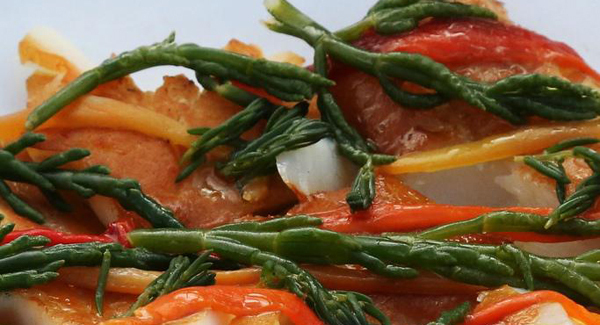
Pollock too, is transformed in the warm smoker. We love to serve it with marsh samphire and roast sweet red peppers at this time of the year.
Most people will have a barbecue of some type or other. Nowadays the gas ones are super convenient but I still love to cook over charcoal or wood.
Admittedly, it takes longer and considerably more skill to get the heat right but for me the flavour is immeasurably better.
I love to order a couple of 3.8cm-thick T-bone steaks of well hung, dry aged beef from Frank Murphy in Midleton. Salt it well for at least 30 minutes and then dab dry.
Drizzle with extra virgin olive oil and lots of freshly cracked pepper, then slap it on the rack over the hot coals. I sear it on both sides then barbecue for about 15 minutes and allow it to rest for a further 10 minutes or so.
This resting period allows the juices to redistribute evenly through the meat. Then I cut the juicy, succulent meat off the bone and into slices across the grain.
It’s absolutely delicious on a salad of rocket leaves with smoked potatoes or indeed wedges with aioli or béarnaise sauce. Smoked tomatoes are also great and easy to do as you can see from the recipe below.
If you’d rather do mackerel on your barbecue, one of the easiest ways is to season the dry fish fillets well, and drizzle with a little extra virgin olive oil.
Lay them side by side on a wire cake rack, pop another on top and lay the lot on the barbecue about 10cm from the glowing coals.
Flip it over after a few minutes and just cook until the flesh is opaque. Serve immediately with a little green gooseberry sauce or a simple harissa butter. Divine.
Or you can cheat and just simply gut and leave the fresh mackerel whole (of course you can chop off the head and tail if you’d rather).
Season well, pop a sprig of dill and a blob of butter inside and wrap it well in a loose tinfoil package.
It will only take about five minutes to cook and you’ll have lots of buttery juices to mop with crusty bread or new potatoes.
A simple parsley or nasturtium butter is great with that if you can’t find green gooseberries.
You don’t need any special equipment – even a biscuit tin will do.
Lay the fish fillets flesh side up on a tray, sprinkle the unskinned pollock with salt as though you were seasoning generously.
Leave for at least an hour but not more than three hours. Dry the fillets with kitchen paper, place on a wire rack and allow to dry in a cool, airy place for 30 minutes approximately.
Sprinkle two tablespoons of sawdust (we use apple wood) on the base of a rectangular biscuit tin or smoking box (www.nisbits.ie).
Put a wire rack into the tin and lay the fish, flesh side up on top. Put the box on a gas jet over a high heat for a minute or so until the sawdust starts to smoulder.
Cover the box. Reduce the heat and smoke for 6-7 minutes, turn off the heat and allow to sit unopened for 5 minutes.
Remove from the box and serve as you like.
Marsh Samphire is in season in July and early August. Rock Samphire may be substituted in spring and early summer (April to July) before it flowers. Failing that, blanched and refreshed French beans or asparagus work well.
Roast the peppers in a hot oven, 250C/475F/Gas mark 9.
Put the peppers on a baking tray and bake for 20-30 minutes until the skin blisters and the flesh is soft.
Put a wire rack over a mild gas jet, roast the pepper on all sides. When they are charred, remove.
When roasted, put pepper into a bowl, cover tightly with cling film for a few minutes, this will make them much easier to peel. Peel and de-seed and cut into strips.
Next cook the samphire.
Put the samphire into a saucepan of boiling water (not salted), bring back to the boil and simmer for about 3-4 minutes or until tender.
Drain off the water (refresh in cold water if serving later).Toss in extra virgin olive — no salt because samphire has a natural salty tang.
To serve: Divide the smoked pollock into nice flaky pieces, arrange on a serving platter with strips of red and yellow pepper and sprigs of samphire on top. Drizzle with extra virgin olive oil and freshly ground pepper and a few flakes of sea salt.
This is a simple Heath Robinson way to smoke small items of food. It is great for beginners because it gives such quick results.
The fish, duck or chicken can be smoked without having been brined, but even a short salting or brining will improve flavour – 15–20 minutes should do it. Leave to dry for about 30 minutes before smoking.
Place a sheet of tinfoil in the base of the biscuit tin and sprinkle three or four tablespoons of sawdust over it. Lay the fish or meat on the wire rack skin-side upwards, then cover the tin with the lid.
Place the tin on a gas jet or other heat source on a medium heat. The sawdust will start to smoulder and produce warm smoke that in turn cooks and smokes the food.
Reduce the heat to low. Mackerel will take about 8–10 minutes. Duck or chicken breast will take 20–30 minutes, depending on the size. Leave to rest before eating warm or at room temperature.
Alternatively, you could buy a simple smoking box from a fishing store or hot-smoke in a tightly covered wok over a gas jet in your own kitchen.
Wash and refresh the vine leaves quickly and dry with kitchen paper.
To assemble: Take a vine leaf, put a piece of cheese in the centre of the ‘veiny’ side.
Fold over the edges to make a parcel, put the parcel on a second vine leaf and wrap tightly with the seam underneath.
Grill over the heat until the cheese starts to melt inside, about five minutes on each side. Unwrap and eat. Serve with crusty bread and tomato and chilli jam or sweet chilli sauce.
Note: The leaves may be eaten or discarded.
Serves 6
Rocket leaves
To prepare the steaks, about one hour before cooking, cut a clove of garlic in half and rub it on both sides of each steak. This simple step intensifies the beefy flavour.
Then grind some black pepper and lots of salt over the steaks and sprinkle on a few drops of olive oil. Turn the steaks in the oil and leave aside. Score the fat at 2.5cm (1in) intervals.
Next roast the red peppers.
Heat the grill or better still use a charcoal grill or barbecue. Grill the peppers on all sides, turning them when necessary — they can be quite charred. Alternatively, heat the oven to 250C/ 475F/regulo 9. Put the peppers on a baking tray and bake for 20-30 minutes until the skin blisters and the flesh is soft.
Put them into a bowl and cover with cling film for a few minutes. This will make them much easier to peel.
Pull the skin off the peppers, remove the stalks and seeds. Do not wash or you will loose the precious sweet juices. Divide each into 2 or 3 pieces along the natural divisions.
Have the barbecue ready, the coals should be glowing. Season the steaks with a little salt and put them down onto the hot rack. Cook on one side for 5-6 minutes then turn over and cook to desired level.
When cooking a steak, also turn it over onto the fat side and cook for 3–4 minutes or until the fat crisps up nicely. Put the steaks onto an upturned plate; allow to rest for 5-10 minutes.
Rest on another plate and leave them for a few minutes in a warm place.
Meanwhile, make the anchoide. Put the garlic, anchovies, egg yolk and lemon juice into a food processor, add the oil gradually as if making a mayonnaise. Thin to required consistency with hot water.
Transfer the steaks onto hot plates. Cut off the bone and into thick slices.
Serve on a bed of rocket leaves, roast red peppers, rocket leaves and a little drizzle of anchoide.
Let’s Cook; Debbie Shaw, our resident naturopathic nutritionist has planned another 1.5 day ‘transformative’ cookery course.
You’ll also learn about raw food and fermentation, the whole idea is to equip you with the skills and delicious recipes to maximise nutrition and healthy gut flora. Debbie’s witty practical approach demonstrates how just a couple of simple changes to our daily routines can result in long-term health and vitality.
Debbie will incorporate lots of fresh produce from the Ballymaloe Cookery School Organic Farm and Gardens — you can also expect some Middle Eastern and Asian flavours to perk up your day. Visit www.ballymaloecookeryschool.ie for details.
Word is spreading fast about the exciting food at Luke Matthew’s kitchen at the Mews this summer. He and his friends James Ellis, front of house, and Robert Collender, responsible for the wine list and cool menu design, have an impressive pedigree.
This terrific trio have experience in The Harwood Arms, L’Autre Pied and Bentleys in London as well as Etto and Forest Avenue in Dublin.
The no-choice menu changes daily, three starters for sharing, one main course and several desserts.
We greatly enjoyed carpaccio of mackerel with roast gooseberry, warm lobster with wild garlic mayo, chicken wings with broad beans, Walsh’s succulent lamb with homeguard potatoes and Lisheen salad and several very moreish desserts.
Between them these boys are creating a memorable dining experience. Book ahead. Open Tuesday-Saturday 6pm to late. Tel: 028 20572.
The festival season is in full swing but you might want to check out A Taste of Lough Derg, a summer-long programme of food events in villages and towns on the shores of Lough Derg in Co Clare, Galway and Tipperary.
Go to BBQs, cookery courses, chocolate making with artisan chocolatier Patricia from Wilde Irish Chocolates, foraging, bread baking, beekeeping, tips on using and preserving your harvest, cheese-making tips and tastings.
The highlight is the Tipperary Food Producers Long Table Dinner on August 19 at Cloobawn Quay. Details: www.discoverloughderg.ie/atasteofloughderg/

CONNECT WITH US TODAY



Be the first to know the latest news and updates