We all live to fight another day - Programme for Greece
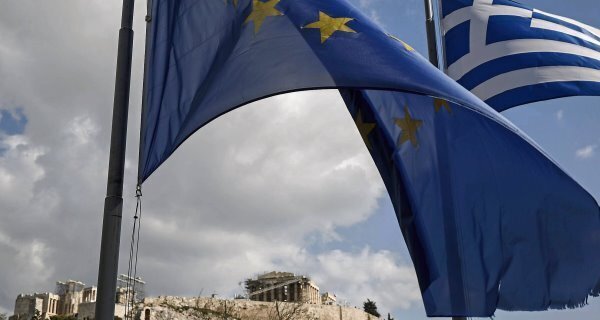
Relief rather than triumphalism must be the reaction. This is especially so as it means the prospect of a Greek collapse into the frightening and unknown, possible exit from the euro and even the European Community — and, most frighteningly, an ill-considered, on-the-rebound liaison with Vladimir Putin’s ever-more assertive kleptocracy — is taken off the agenda for the immediate future at least, hopefully for ever.
Creating the opportunity to restore some sort of functioning stability in the day-to-day life of Greeks has imposed a very heavy, almost unsustainable, burden on that society. Had a deal not been agreed — and this caveat will stand if its terms are not largely implemented — the crisis would have had a very negative impact on other peripheral EU countries — the still-standing PIIGS — trying to rebuild their economies after the ravages of 2008. This dreadful prospect has also been averted for the medium term at least.
The very challenging conditions, terms far more demanding than those rejected at the Greek referendum, ones that will shake Greek society to its very marrow, provoke considerable empathy. However, that concern cannot overshadow the fact that the hardline attitude adopted by some states — Germany, the Netherlands, Austria, Slovakia, Belgium, Finland, Latvia and Lithuania — was provoked by Greek’s indifference to reforms agreed when their second bailout, an €100bn package from the European Financial Stability Facility, was agreed three years ago. This failure meant some EU countries expected to fund another multi-billion rescue were not prepared to, as they saw it, throw good money after bad. They, understandably, had no appetite to face their electorate without being able to point to stiff conditions attached to their investment in a Greek recovery. So much for the debtors, what of the all-powerful creditors?
This episode, and there are as many interpretations of it as there are ruins in Athens, shows how untouchable international finance is and how there are virtually no moral hazard consequences for exploitative or reckless lending. It highlights too how the EU project is caught in a cleft stick — how might Chancellor Merkel’s attitude have been softened if she had not to consider the impact such a position might have had on the German banks that lent so unwisely to Greece — and Anglo Irish Banks too? Eurosceptics, and others, suggest EU solidarity has been damaged. The negotiations may have been bruising but the willingness to backstop a third bailout, despite huge doubts, epitomises solidarity.
The Greeks, already battered and bruised, will hardly wake in a Champagne mood this morning but maybe our story will make their challenge seem less daunting. Not so long ago we were in a situation almost as challenging but we stuck to agreements and faced the reality of our world. A few short years later optimism has replaced despair. The main thing stopping Greece following that path is Greece.