Cutting Greek debt likely to be key at talks
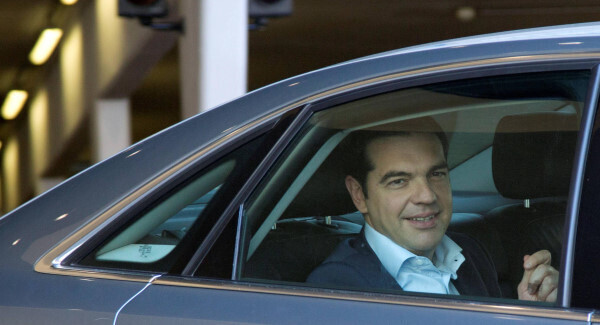
The breakdown in talks that led to Greek prime minister Alexis Tsipras calling the referendum was partly over the issue of reducing the debt long-term.
The joint statement from the main parties in the Greek parliament have it as the final of the four goals they want to achieve in their negotiations with creditors.
They appear to recognise the political sensitivity of the issue and ask for “a commitment towards the beginning of substantive discussion on dealing with the problem of the sustainability of the Greek public debt”.
This is seen as a strong signal to Brussels that the Greeks are ready to build trust and get down to serious negotiations.
As far as debt concessions are concerned, gradually all sides are revealing their positions, and their reasoning behind these positions, as negotiations take off again, much of it through the media at the moment.
The IMF came out last week at a time seen by the eurozone as weakening their pressure on the Greek government, and supported the need for a cut in the debt and looked to the EU creditors to provide it. Haircuts are their preferred method, but the eurozone is allergic to any mention of one.
The governor of the Bank of France and member of the ECB, Christian Noyer, made it quite clear yesterday the ECB will not be making any concessions on the €18bn Greek debt it holds, saying to do so would be against the rules as it would amount to sovereign financing.
The Germans, too, resorted to quoting the rules for refusing to cut the debt further because Greece was no longer in a programme.
This was reiterated by commission vice-president Dombrovskis in Brussels yesterday in a very tightly controlled statement saying that debt restructuring was allowed for under the EFSF programme, but that this had not been concluded successfully after Greece broke off negotiations, the offer was not on the table any more.
However, the wording of the Greek statement — not demanding immediate moves on the debt — is a concession to Germany that wants to see policy implementation first.
Already all sides are preparing the ground to give way on this by throwing up a variety of phrases that refer to elements of debt reduction, from debt relief to debt re-profiling to debt concessions.
There are real differences between them but all sides may find a phrase that gives all of them cover for their domestic situation because the issue is a political one more than economic in reality.
French finance minister Michel Sapin in an interview yesterday said: “The debate on the debt is not a taboo …. we could restructure it, reduce it, extend it. This the proposal that France has put on the table and we can discuss.”
Three years ago the eurogroup said they would ensure the debt was sustainable at 110% by 2012 through giving more time to pay and lower interest rates — a position restated by commission vice-president Dombrovskis.
If the new Greek negotiating team proves to be professional and the new finance minister proves to be less erratic than Yanis Varoufakis, a good working relationship could take the issue off the front pages. Then the issue of debt concessions could be tackled in earnest. But there are a lot of bridges to cross before they get to that point.

CONNECT WITH US TODAY



Be the first to know the latest news and updates