Compromise only realistic possibility - Greek crisis continues
DESPITE the Athens euphoria that followed Sunday’s “No” vote, and despite the resignation of the unclubbable Greek finance minister Yanis Varoufakis in a flurry of self-righteous claptrap, the weary, battered and bruised people of Greece are, more or less, in the exact same postion they were this day last week — except they have even less cash.

Compromise only realistic possibility - Greek crisis continues

They may feel the result gives them a new moral authority, a new, empowering democratic mandate and indeed it may, but tragically for them, and nearly every citizen living in a modern capitalist society, they will find moral authority counts for very little, if anything at all, in the world of international finance and debt management. Imagining that moral authority might sway entrenched creditors or politicians seeking re-election is a bit like raging at the dark; it can calm inner turmoil but it won’t move interest rates, or repayment dates, in any meaningful, helpful way.

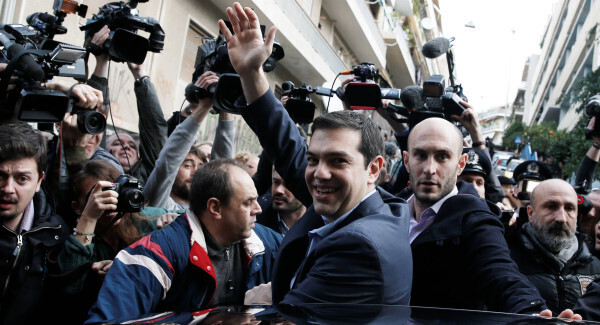
This morning the unenviable people of Greece are still trapped in a no man’s land between the conservative instincts of Chancellor Angela Merkel and her unwise ultimatums and her polar opposite, the revitalised and possibly underestimated prime minister, Alexis Tsipras. The other 26 EU states, especially the other 17 eurozone countries, seem almost happy to look on taking their lead from an assertive, demanding Germany, a Germany that has painted itself into a corner by suggesting that a “No” vote would mean that Greece leaves the euro zone and maybe even the EU.


Despite its pre-eminence these suggestions are an unhelpful over-reach by Germany. Despite its great power, Germany is, like all other members, just one of a federation of more or less like-minded states established to protect all states and all citizens in their moment of need. It is time that the more moderate, less dogmatic, member states moved to soften Germany’s position. This position seems unsustainable especially as it still insists, despite a contradictory view from the IMF and more or less anyone who can count, that the Greek debt — something climbing towards €400bn for a population of 11m — is sustainable. Germany’s assessment is skewed and possibly explains why German banks were such enthusiastic but unwise lenders to Anglo Irish Bank and, albeit at arm’s length, were central players in the destruction of this small country’s economy.

Though the Greeks’ irresponsibility is well documented and must be confronted, these last weeks show capitalism at its least attractive. We’ve seen how money confers an unaccountable and almost unchallengeable power. One of the ways that is seen at its most destructive is the way multinationals use every opportunity to minimise tax liabilities, thereby leaving huge shortfalls in public coffers wherever they operate. How much better it would be if the EU leaders involved in today’s crisis talks could end that immoral dodge. Those two issues come together in the suggestion that fewer than 20 Greek families, the bankrupt country’s plutocrats, owe more than €12bn in taxes. Is it any wonder that a hard left government was elected and that the consequences threaten the stability of the eurozone?

x

More in this section

Revoiced

Newsletter

Had a busy week? Sign up for some of the best reads from the week gone by. Selected just for you.

Cookie Policy Privacy Policy Brand Safety FAQ Help Contact Us Terms and Conditions

© Examiner Echo Group Limited