Atrocities make for hard choices - Confronting the terrorists
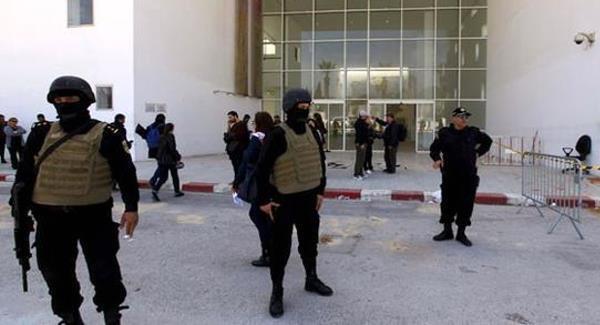
Without the fear the reportage of attacks provokes the hate-filled barbarisms of Islamic State would be pointless. The entirely natural long-term response, in the civilised world at least, will have a negative and distressing impact on the beleagured people of that country — and the wider region — as tourists leave hotel rooms empty. This will perpetuate a vicious circle. Fewer jobs in the region, more migrants, more young people marginalised in hate-fuelling poverty, only to be driven into the arms of a nihilism determined to destroy the world that they believe has failed them so very badly. And maybe it has.
The tremendous inequality, the almost obscene concentratrion of wealth among Arab oil state rulers, while the great majority of the people living in that region struggle in almost medieval poverty, must drive that march towards radicalisation too. This issue is not confined to that region but it seems a particularly sharp divide in the oil-sustained fiefdoms that dot the Gulf, fiefdoms the West indulges because we are addicted to their life-sustaining oil.
Much has been made of the extremists’ ability to promote their cause through social media and the wider internet. It is hard, though, not to think that this particular nut can be cracked, if not smashed. After all, if the personal phones of Angela Merkel and François Hollande can be tapped, then surely IS can be similarly targeted?
The roots of this radicalism can be described in two words — poverty and ignorance — but the incendiary schism dividing Sunni and Shia Muslims, which drives conflict from Iraq to Yemen to Pakistan, is the catalyst for so much of the carnage. The intolerance, one that must eventually challenge Western tolerance if it goes unchecked, of Sunni hardliners for any challenge, no matter how small, to their strict interpretations of Islam, justifies the killing of all “non-believers”, be they Copts, Alawites, Yazidis, Jews, Turkomen — or Europeans baking on a Tunisian beach.
It would be nice if we could, surrounded by water as we are, look away and again allow the frontline states deal with the barbarians at Europe’s gates, but two warnings suggest that would be unwise. America’s former Homeland Security secretary, Michael Chertoff, warned that militants are “going to want to strike at Americans, and frankly it’s harder here [in America] than it is in Europe... so they’re going to try to strike... in other parts of the world.”
In a country with so very many welcome American industries, that must sound an alarm bell. A second warning must ring that bell louder. Because we have, as a percentage of GDP, the smallest defence budget in Europe, army officers have warned that cuts have put our military at serious risk of “not being fit for purpose”. It is, of course, far more warming to spend money on childcare than it is to support effective decent defence forces but, in the light of Friday’s attacks, and many, many more, do we still have that choice?