It’s time that Ireland weaned itself off ‘supplementary’ bottles
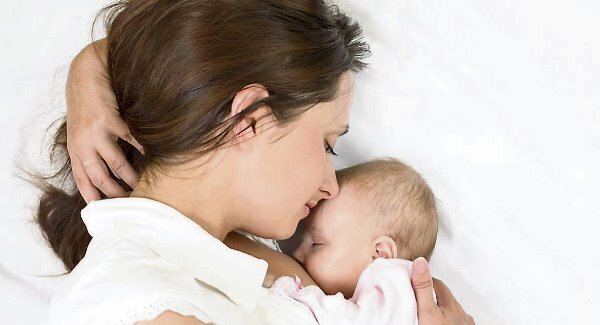

MY friend’s daughter is a powerful young woman who has her own start-up company. Her first baby didn’t come to her as easily as the business, but here he is and she is overjoyed.
It’s been difficult, of course. What new mother can say any differently? But it has been difficult for her in ways that it just shouldn’t have been.
She wanted to breast-feed. She went to an ante-natal class and was told it was what came naturally. That was the first bogey they told her. I met my friend less than 48 hours after the baby was born and although her daughter had breast-fed, the baby was already on ‘supplementary’ bottles. Her milk ‘hadn’t come in’. The hospital had said she ‘didn’t have enough.’ You would think that breast-milk is delivered by a milkman who was unavoidably delayed. Breast-milk is produced by the sucking motion of the baby. If the baby isn’t allowed to suck, the milk won’t come. The baby won’t suck if he’s not hungry and he won’t be hungry if he gets ‘supplementary’ bottles.
“Show me a woman who’s using supplementary bottles and I’ll show you a woman who won’t be breast-feeding in a matter of weeks”, Ireland’s former breast-feeding co-ordinator, Maureen Fallon, told me years ago.
VISIT THE VIEWPOINTS HOME PAGE
It was just days before my friend’s daughter had stopped breast-feeding. I was sorry about that, but I was angry when I heard about her first weeks as a mother. The baby wasn’t on a bottle ‘two minutes’ — facilitated by the hospital — but they had her frightened that she was feeding him too much and that he would be obese.
There is obesity in the family and the new mother felt like a failure before she’d even started. The baby never stopped crying and my friend rightly diagnosed him with hunger. She encouraged her terrified daughter to bump up the number of ounces in the bottle and feed him formula for ‘hungry babies.’ There was more tut-tutting about that in the hospital, when she brought him back for a check-up.
The child got indigestion and the Lord knows what else. The young mother has a path worn to the chemist’s and has contributed to the fat profits of the companies who make potions to help babies with wind. Breast-fed babies don’t need any of this and breast-feeding mams don’t have to endure the stress and anxiety visited on this young mother. Her strenuous efforts to give her baby the best possible start will inevitably result in a higher chance of infectious disease, a doubled risk of middle-ear infection, up to four times the risk of lower respiratory tract infection, and up to four times the risk of gastrointestinal infections, compared with the breast-fed baby down the street. This is what drives me bonkers about free GP care for the under-sixes. We are starting from the wrong point. We are planning to spend €90m a year treating young children for conditions they would not have if they had been breast-fed for the recommended six months. But Ireland has the lowest breast-feeding rate in the world and only 6% of our babies are breast-fed for the recommended time. Yet we have only one dedicated breast-feeding co-ordinator and spend just €100,000 a year on promoting breast-feeding.
There will be the odd child whose serious illness is diagnosed earlier, because GP care is free. But most GP visits by under-sixes are for common complaints, like gastroenteritis, which accounts for 50% of GP visits in Australia and is reckoned there to be 75% less likely in breast-fed babies than in bottle-fed ones. Bad colds and ear and throat infections make up a good lot of the other visits and the Ozzies reckon they are 63% less likely to occur in breast-fed babies.
Minister of State for Primary Care, Kathleen Lynch, is promising that the two health checks the child will get before the age of six “will be about height, will be about general health — we have a particular interest in obesity, too.” Does she have any idea of the impact of breast-feeding on ‘general health’? And on obesity? A Growing Up In Ireland report says the child who is exclusively breast-fed for six months has a 50% lower chance of being obese at nine years of age. Children breast-fed for just three to six months lower their risk of obesity at nine years by 38%.
And as for the yearly athsma checks? As the mother of an athsmatic child, I have to welcome them, but the risk of ever having athsma is now thought to be 22% lower in children who have been breast-fed than in those who haven’t. It’s too late by the time the child reaches the GP’s surgery. The feeding regime has been established. Even if it hasn’t, the GP might know nothing about breast-feeding and might care less. It will barely have featured in his or her training and practice.
The experts in establishing breast-feeding are trained midwives and lactation consultants. It is access to their care, both in hospitals and in the community, which should be rolled out first, if we really want a game-changer for our infants and young children. Qualified nurses should be doing height checks and athsma clinics and checking for obesity. Making doctors do it is a stupid waste of their long training, which the tax-payer funded, particularly as it will put our doctors’ clinics under unbearable stress.
GP care is not primary care. What we need, first, is a proper community midwifery and district nursing service, based in local health centres. With local health centres, impoverished Cuba established one of the best health services in the world. The UK has health visitors who work with new parents from pregnancy through to the child’s fifth birthday. Not only do they support breast-feeding and appropriate weaning, they have their eyes peeled for developmental delay and they help families access specialist interventions, if they need them. Because they visit the child’s home, they are well-placed to notice signs of neglect or abuse and to take action to protect a child, if necessary.
Most of this vital work is impossible to do from a doctor’s chair in a five- to 10-minute visit. But we don’t have any community nursing. New parents get one visit from their public health nurse, who may not be a qualified midwife.
As usual, when it comes to healthcare in Ireland, we are relying on doctors and ignoring nurses and midwives. It may work at the ballot box, but it will not work for children.
VISIT THE VIEWPOINTS HOME PAGE

CONNECT WITH US TODAY



Be the first to know the latest news and updates