Birds of a feather stay on in Cork until breeding season
It wouldnāt last long in its shining freshness.When it dried out, although the faded colours would still be beautiful, the network of stems would shrivel and crumble. But now, in this rainy-sunny May, it drapes the old walls, to be gazed at and enjoyed.

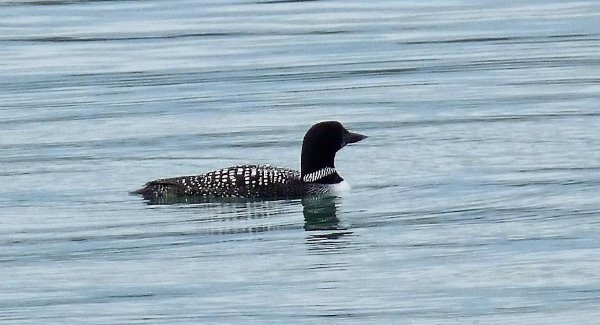
On the bright-blue water of the bay (itās blue when the sky is), a pair of Great Northern Divers still cruise the channel. Larger than mallard, and darker, they have now, in breeding colours, perhaps the most striking plumage of all the bay birds. The sexes are alike. Swimming low in the water, the vivid black-and-white checkerboard plumage on their backs immediately sets them apart from dowdy cormorants or shiny shags (although both species are attractive in their summer-
best). The diversā heads are jet-black, the dark bills are dagger-sharp, and the eyes a deep, ruby red. Around their stout necks, with their tinge of dark, iridescent green, they wear a white, barred collar. These necks are so pliant that, when preening, they can bend their heads over their backs to reach the oil-gland near the tail.
This contortion reveals the white breast, and the bird looks extraordinary in this position, a seemingly headless, floating bird. With binoculars, the true picture is revealed, and one marvels at the suppleness of the neck, that it can reach back so far.
Sometimes, they swim head-down, surveying the depths, and, when alarmed, swim with only the neck and head above water. They dive frequently and are powerful underwater swimmers, staying submerged for minutes at a time. Everything small enough is swallowed; herring, mackerel, sprat, gurnard, shrimps and crabs. With such a varied diet, they rarely come to land, except to breed. The pair I watched, cruising on Courtmacsherry Bay the other evening, seemed in no hurry to leave west Cork, but it is late for them to stay. They arrive in October, still in the previous yearās breeding plumage, and leave at the end of April. This pair has stayed on. However, soon they will set off to breeding grounds in Iceland, Greenland or North America, where they are called āloonsā.
It has been an amazing year for spring migrants. Fifty hoopoes have been spotted, one at nearby Timoleague. Cuckoos were heard calling in the first week of May, as nature-watchers gathered at various Kerry venues for dawn chorus outings.
House martins have set up home under the eaves in the village, and sand martins are refurbishing the tunnels in the sand-and-mud banks that they used last year.
They rocket in at high speed and, seconds later, sand comes flying out as collapsed tunnels are vigorously excavated.
At breakfast time, we watch a blackbird harvest straw from a slope outside our window, and we have already detected the nest site. Lord, save the fledglings from cats! In the USA, last year, it was estimated that 1 billion birds fell prey to moggies.
Last week, I reported young ravens poised on the nest edge, ready to leave home. They are still hanging about, and roosting on nearby crags. Thereās no place like home: nĆl aon tinteĆ”n mar do thinteĆ”n fĆ©in!
Here, they have security and a brief schooling, perhaps two weeks of education. āFollow me, gang,ā squawk the parents, āHereās where to find food; we eat this, we donāt eat that!ā Theyāre quick to learn ā they had better be! ā but must find it traumatic when they are hunted away.
Where to stay the first night? Together, I suppose; strength in numbers. The dark comes down upon the orphans. Unknown predators are abroad: foxes, stoats.
And then, they part, brothers and sisters, and, in time, establish their own domains, maybe that of a grandfather or grandmother recently āfallen off the perchā (as will we all), leaving space.
In a quarter-century of watching ravens along the Seven Heads, I think the numbers havenāt increased, hereabouts anyway. Room for all, room for progeny, room for somehow āancientā birds fulfilling a traditional niche role in natureās chain.