A policy that hits social solidarity - Privatisation of bus services
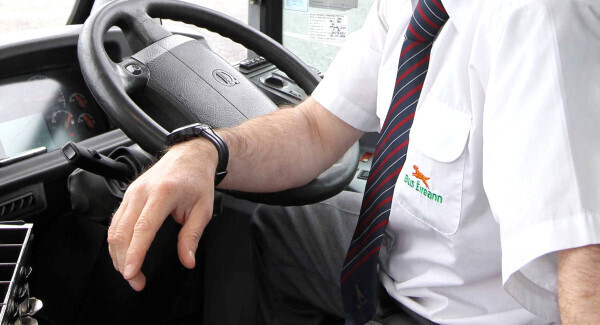
Those opposed believe it is a race to the bottom, where workers’ expectations are trampled in an unrelenting race for profit and the concentration of wealth. They see it as the dominance of business over the kind of social contract we all depend on one way or another.
This week, a process that is not directly related to privatisation — public sector pay talks — resumes. The outcome may push the idea of privatisation up or down the political agenda. If, from a Government point of view, the talks are successful and a moderate agreement is reached then the impetus for privatisation diminishes. Ironically, a deal that does not fulfil workers’ expectations may lead to the kind of intransigence that may be the catalyst for privatisation.
Parallel negotiations directly related to privatisation talks aimed at trying to avert another bus strike take on a new urgency, if transport chaos and multi-million euro losses to businesses and the bus companies are to be avoided. Despite the fact that our public transport companies almost seem a motif for intransigence, it is hard not to have sympathy for the workers’ cause. It is proposed to immedialtey privatise 10% of the country’s bus routes and further routes will be privatised in time.
Bus workers enjoy security and decent terms and because they have a State-guaranteed pension they can look forward to a dignified old age. If their jobs are privatised, it would not be surprising if they faced pay rates hovering just above the minimum wage, possibly short-term contracts and a bookies’ docket pension scheme. How could a worker be criticised for trying to avoid that situation, one that condemns families to something bordering on poverty and endless struggle? Who would not fight to prevent such a reduction in living standards? And what kind of society would endorse it? Bus and train workers may not have always endeared themselves to their fellow citizens but which of us would not fight tooth and nail to resist such a downgrading? Hopefully, a settlement that protects jobs and satisfies the company’s needs can be reached even at this late hour.
The privatisation of State assets has never been an election issue. No party, except maybe the Progressive Democrats, tried to get elected on the basis that they would sell State or semi-state companies. Yet we have sold Eircom, Aer Lingus, portions of our motorway systems — who voted for toll roads? — and now propose to dismantle our State bus service. Troika pressure to privatise more assets was thankfully resisted. One of the lessons that this haphazard process makes obvious: Government assurances that Irish Water will never be sold off are simply not enough and that protection must be inserted in the Constitution even if that means a referendum. What could be more democratic?
DISCOVER MORE CONTENT LIKE THIS
CONNECT WITH US TODAY



Be the first to know the latest news and updates