Nature’s amazing spectacle
I finished the job the other day and sat down in the sunshine for a rest after the hard labour. I watched a robin closely examining the freshly turned soil and large queen bumble bees visiting the dandelion flowers that the sunshine had opened.
It struck me that this relationship between the bumble bee and the dandelion is an example of an extraordinary evolutionary miracle.
Some time during the age of the dinosaurs insects and flowering plants arrived at a mutually beneficial arrangement.
DISCOVER MORE CONTENT LIKE THIS
The insect got nectar to eat. In exchange it transferred pollen grains from the male anthers of the flower to the female stigma, allowing for fertilisation and, in most cases, cross pollination with other plants of the same species. What an unlikely idea.
However, it was an idea that really caught on. Today 80% to 90% of flowering plants are pollinated by an animal of some description.
The remainder, the ones relying principally on abiotic pollination, depend mainly on the wind, though a small number of plants disperse their pollen using water currents.
Many trees in Ireland and most of our grass species are wind pollinated.
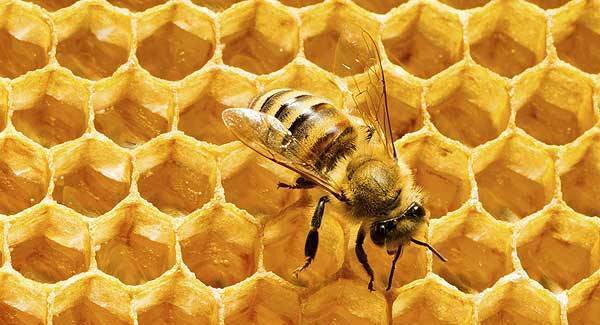
We tend to think of bees as the main pollinating insects and bumble bees and where they still survive honey bees are indeed very important.
However, they are by no means alone. Certain species of wasp are involved, as are hoverflies. And the minor pollinators include butterflies and moths, ants, beetles and some spiders that like to live in flowers to ambush the flying insects that come to visit.
In Ireland all the pollinating animals are invertebrates and most of them are insects. In other parts of the world birds, bats and even reptiles get involved. Nectar feeders like hummingbirds and sunbirds get roped in, so do fruit bats.
On Mediterranean islands geckos do the job and in South Africa spiny mice and some shrew species are important pollinators.
And the plants have responded in a myriad different ways by producing colours, shapes and scents to attract all these visitors.
In spring, convoys of trucks converge on the almond orchards of California carrying one million hives of honey bees to pollinate the crop.
Pollination is very important in agriculture and horticulture. It is said to be worth €2.9bn annually to farmers in the US. It’s not quite as central to the Irish agricultural economy because much of our farming is based on wind-pollinated grasses.
However, without insect pollination we would not be able to produce apples or strawberries, courgettes or broad beans. Some Irish commercial tomato producers keep colonies of bumble bees in their greenhouses.
DISCOVER MORE CONTENT LIKE THIS
Nature Table -Â Germander speedwell

Sometimes called bird’s-eye speedwell, this is a widespread native wild flower that is just coming into bloom. It will continue to flower until July but because it’s low-growing (maximum 20cm, usually less) it’s easily overlooked later in the year.
The small flowers are sky blue with a white centre and two stamens. They have four petals and the lower of the four is noticeably smaller than the other three.
The leaves are pointed, oval and toothed and grow in pairs. The flower stems emerge from the leaf junctions.
Both leaves and stems are hairy. It grows in a wide variety of habitats and can become a garden weed. One of the best places to find it at this time of year is in a lawn or playing field which has not yet got its first mowing of the year.
It used to be regarded as a good luck charm for travellers, possibly because it often grows on road verges, which is the origin of the name ‘speedwell’.