Championing whistleblowers: Silence on wrongdoing is collusion
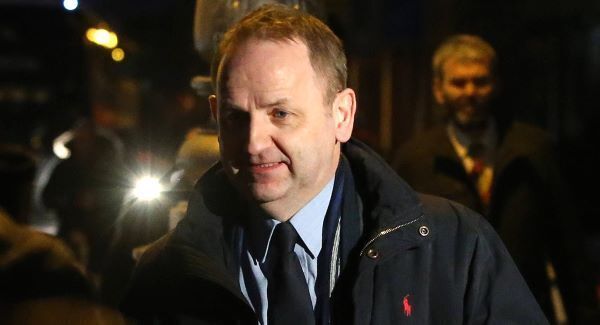
No Dáil backbencher, on the Government or Opposition side, has instigated even a fraction of the reform these two men provoked by doing no more than telling the truth and having the strength of character not to be cowed by those who would silence them because they feared their misuse of power would be exposed.
The appointment of Sergeant McCabe to lead the traffic unit in Mullingar suggests that a culture light years away from the one that gave former Commissioner Martin Callinan the confidence to describe the whistleblowers as “disgusting” to an Oireachtas committee has prevailed.
Those remarks tipped over the first domino in a series of exposures that led to the resignation of Justice Minister Alan Shatter and Commissioner Callinan.
It is just possible, though, that the long-term consequences of Sgt McCabe’s and John Wilson’s honesty will be far more profound and beneficial to this society than a few high-level resignations
However, as the welcome sightings of recent days show, one swallow does not a summer make. Sgt McCabe’s promotion is almost unique among whistleblowers but it remains to be seen if the wider, more entrenched culture that has so damaged the credibility of our police force will change.
Only time can tell as this seems an objective beyond the reach of one generation of politicians or garda leaders.
This culture of omertà or, more precisely, top-down imposed omertà, thrives right across this society and it has served those who misuse their position well.
This may be rooted in violent republicanism, a movement so often undermined by ‘informers’, or our often visceral and inarticulate expression of anti-authoritarianism, but these silences do our society great harm.
Hiding the truth to protect wrongdoing is a characteristic of a stunted and afraid society and it should not be tolerated, much less encouraged.
Just this weekend, the Health Service Executive has had to accept that reality by allowing Siptu shop steward Des McSweeney to return to work.
Mr McSweeney had been suspended because the HSE believed he had breached “communications protocols” — whatever they are and whoever they are supposed to serve — by airing concerns about patient safety at a new acute psychiatric unit at Cork University Hospital.
Mr McSweeney deserves congratulations, not censure. The HSE has form in this area — during negotiations with general practitioners, it tried to ensure their silence by making a condition of the contract that they could not speak publicly on behalf of patients.
Thankfully, that bullyboy tactic, one that would have served no-one other than HSE bureaucrats, was rejected.
Our past is littered with scandals and abuses that might have been nipped in the bud if we had an active culture of whistleblowing, one that told the truth no matter what the risk.
It is time we all took a leaf from Sgt McCabe and John Wilson’s book — who might benefit if we don’t?