Every option must be considered - Managing property prices
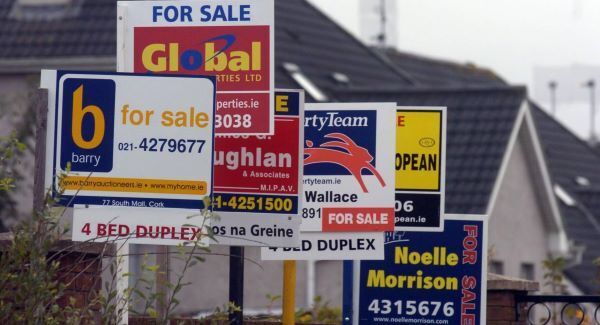
They, and the unwise lending and plain greed that fuelled them, were at the root of the economic subjugation of this society, a subjugation that will continue for many years to come. And even if that record is almost worn out, it’s time to play it one more time or risk repeating the mistakes of the Celtic tiger years.
At this moment, when it has been suggested that the residential property market in Cork may overtake the Dublin market this year, it is important to revisit the insanity that drove the property market almost a decade ago and remind ourselves of the economic and social catastrophe an out-of-control market might inflict on us all — again.
Estate agents Sherry FitzGerald have suggested that house prices in Cork will rise by between 10% and 12% this year while Dublin prices might rise by between 5% and 10%. It should be remembered that these predictions have been made within a week of the European Central Bank announcing a multibillion-euro programme of quantitative easing to try to counteract stagnation and deflation across most of Europe’s economies.
Since that ECB intervention, our Central Bank announced long-anticipated rules around the mortgage provision largely in line with the original stipulation that borrowers must have a 20% deposit. Though this is a challenging obligation, it has an undeniable logic to it and many of those in negative equity today might have avoided their difficulties had such a rule been in place — and observed — a decade ago.
It is right though that such a high bar is lowered slightly for first-time buyers who will require just a 10% deposit on the first €220,000 they wish to borrow. These rules will probably cause hardship in some cases but the overarching objective — to protect borrowers and lenders from the risks involved in servicing a soaring market — must prevail.
It is reassuring, too, that the Central Bank was not dissuaded by those who seem to want a return to the days when developers gorged on debt they could not repay, when banks drove the lunacy by unwise lending. After all, criticism of weak regulators has been a theme in the postmortems of boomier and boomier Ireland for the last number of years so we cannot complain when a regulator regulates.
Controlling credit is just one part of rebuilding a dysfunctional property market and the shortage of housing has become a serious economic and social issue. Rising taxes and stagnant incomes are also a problem. So too is the notion of hoarding development land, especially in towns and cities. There are many ways to try to control property prices and many of them would meet far greater opposition than the Central Bank’s recent intervention. But if we want to avoid another calamity, every option must be considered.

CONNECT WITH US TODAY



Be the first to know the latest news and updates