Insolvency constrains possibilities - Greece in turmoil
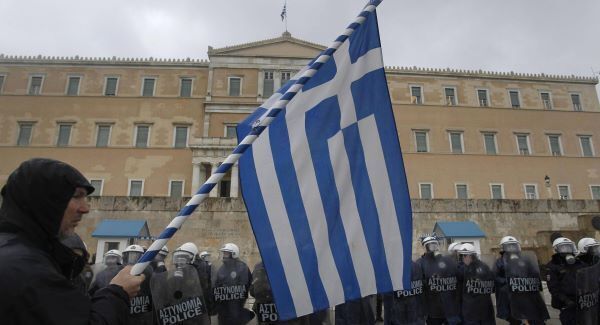
At least our representatives have the luxury of presenting diatribe as possibility, but our Greek friends have long since passed that stage and are faced with very difficult and potentially destabilising choices.
The International Monetary Fund (IMF) has suspended rescue talks with the battered country until after the Greeks go to the polls in a little over three weeks. It is not at all certain that those bailout negotiations will conclude successfully even then, especially if the election result is inconclusive. That possibility might be even stronger if the anti-austerity parties are given a decisive mandate. That prospect is reflected in violent reactions in the Greek markets, where yields on government bonds rose sharply and share prices dropped 7% this week. Bank shares have fallen by even greater margins.
If successive opinion poll results are confirmed and the main left-wing opposition party Syriza prevails after January 25 polling, it is hard to imagine that its agenda and that of the European Central Bank and the IMF will have much in common. It is even more difficult to imagine that the ambitions of a new left-wing government and EU paymasters Germany’s hard-nosed discipline might be compatible.
Syriza will campaign on a promise to reverse austerity and a renegotiation of Greece’s debts to the EU. Syriza wants half of the estimated €320bn national debt written off and for the ECB to promise to buy Greek bonds until something approaching stability is achieved. The party demands that the EU and ECB creditors should be burnt, but not private investors or the IMF. Basically, it wants EU taxpayers to pick up the tab for rescuing their dysfunctional economy. It also wants Greece to remain in the euro and demands that some austerity cutbacks be reversed.
Should Syriza be in a position to make these demands, it opens a Pandora’s box for dominant EU countries and the ECB. If debt repayments are rescheduled in a meaningful way, what might that mean for more disciplined countries, such as us? Might we be able to renegotiate crippling debt burdens? If, and experience suggests this is likely, Germany and the ECB hold the line and insist on pursuing policies that have brought hardship to Greeks, what then? One thing, in those circumstances, seems obvious: The financial support Greece needs to function on a day-to-day basis would be in jeopardy if Syriza chooses a new path on debt repayments.
This may all seem remote and almost academic from an Irish perspective, but it is not. Instability in Greece may, again, threaten eurozone equilibrium and hinder our delicate but accelerating recovery. It may be helpful though if the process shows how limited are the options facing an insolvent, heavily-indebted country. Like it or not, be it right or wrong, it may show where decisive power really lies and how democracy is dependent on being solvent.


CONNECT WITH US TODAY



Be the first to know the latest news and updates