Francis shows how reform empowers
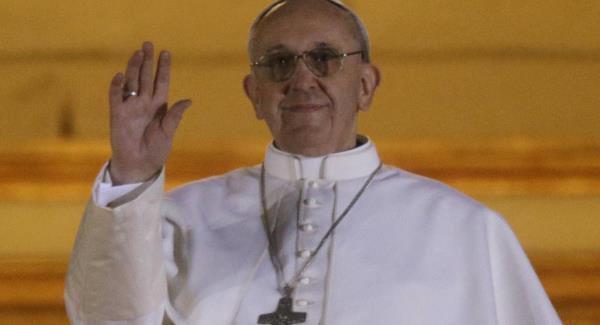
Closing the year as forcefully as he began it, Pope Francis consolidated his position as one of the most popular pontiffs of modern times, possibly even more so than the recently-sainted Pope John Paul II. Francis has become, as his curia critics condescendingly conceded, “a darling of the media”. The Pontiff — he celebrated his 78th birthday this month — hardly courted the curia’s popularity when he listed 15 deadly sins — “ailments” he called them — he had witnessed since he took office 20 months ago. Too much micro-management, too little internal co-ordination, examples of boastfulness, showing off, claiming to be indispensible, a tendency to gossip and defamation, and clerics leading double lives were all listed on the charge sheet.
Francis has been direct in his opposition to careerism and has moved — and not sideways either — experienced executives from the Vatican. He has unblinkingly confronted the money-laundering scandal at the the Vatican Bank which undermined the integrity of the Church for decades. From next week, new accounting practices will be mandatory for all Vatican departments. Each will have to present detailed annual budgets, a discipline never imposed before.
Speaking to the directors of the Catholic Church in a way that must have been as embarrassing as it was novel for them, Francis criticised them for “excessive planning and functionalism”, “bad co-ordination”, “of spiritual Alzheimer’s”, “a progressive decline of the spiritual faculty”. Showing an unusual public directness, he went on to attack their “rivalry and vainglory” when “appearance, the colour of garments, and signs of honour become the primary objective of life”. There was the “sickness of indifference to others”, that “of the mournful face” and “the sickness of accumulating”, “of closed circles”, and, finally, “the sickness of worldly profit”, where service becomes power and power “merchandise to obtain worldly profits or more powers”.
These criticisms will resonate with tens of millions of Catholics struggling to make their lives, beliefs, and strictures handed down by a distant Church work in harmony.
Not all of those who voted for Francis to become Pope can have anticipated the commitment to real reform and rejuvenating change he has shown. But then, he has done no more than other leaders, and some much closer to home, promised to do but have not. It is as if Francis has acted on the idea of report cards for his cabinet members promised but forgotten by Taoiseach Enda Kenny, who still seems in thrall to Ireland’s permanent curia. Maybe it is not too late for Mr Kenny to recognise at least some of the criticisms levelled at Vatican executives might apply to his Coalition. He may even recognise how very empowering delivering reform actually is.

CONNECT WITH US TODAY



Be the first to know the latest news and updates