Recovery must drive social equity
One of the darkly wry, self-deprecating phrases used in the days following our 2008 economic collapse was “that this is too good a crisis to waste”— meaning that the hard lessons we had to learn should be used to drive reform so we might never again implode so disastrously.
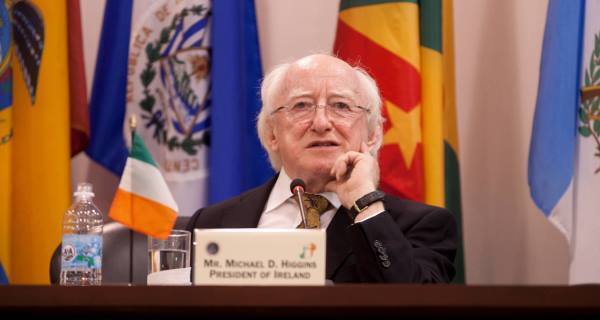
Sadly, if not entirely unpredictably, President Michael D Higgins warned this week that we seem on the verge of “business as usual” and that all of the old gods of “greed, self-interest, the insatiable pursuit of material gratifications, unrestrained competition, and the placing of the market as the centre of public policy for all human needs”, are being ushered back to their seats around the high altar of Irish life.
The President urged that we embrace “new ethical principles” so we do not, once again, allow the most destructive traits of unrestrained, red-in-tooth-and-claw capitalism to damage so many lives and futures. And, if public discourse in America is anything to go by, we do not have too long to try to protect ourselves from the next wave of negative forces that changed our world so disastrously.
Just last week, John Boehner, the Republican speaker in the House of Representatives, suggested that US unemployment figures remain high because of “laziness” encouraged by “generous” unemployment benefits. The influential Boehner made these comments despite a welfare code so Dickensian that it would — rightly — lead to revolution in most European societies.
Almost 3m Americans are out of work for more than six months, the normal maximum period covered by unemployment insurance, yet extended benefits for the long-term unemployed have been dropped, which means most have been cut off. Only 26% of unemployed Americans get any kind of unemployment benefit. The value of US unemployment benefits is less than 0.25% of GDP, half the 2003 ratio. These figures, from a European perspective, set the phrase “the land of the free, the home of the brave” in an altogether more chilling light.
Boehner’s remarks are another contribution to the process that sees the gap between rich and poor, between a viable, decent life and endless, grey struggle, widening to almost unprecedented levels. That process manifests itself in Ireland in our growing housing crisis and, in some instances, terms of unemployment that even the most ardent Thatcherite could only dream of. Multinational corporations paying a tiny proportion of their turnover in any form of tax to any government is another manifestation of this slide away from the social advances so hard-won over the last century. Sadly, this slide is partially facilitated in this country by an almost pathological reluctance to tackle white collar crime. Our economic situation, thanks to discipline and sacrifice, is recovering, but surely that recovery would be rendered less than meaningless if we do not, as Mr Higgins has urged, embrace the ethics and principles that would go some way to bridging the growing gap between rich and poor. If we do not, as history teaches us so plainly, we can anticipate a crisis far greater than anything we might imagine.
CONNECT WITH US TODAY



Be the first to know the latest news and updates