Blame for Bessborough infant deaths lays with State
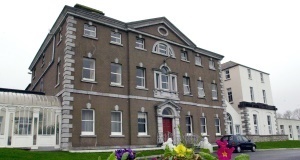
At that period most births were at home, and not in hospitals under supervision of expert doctors. Bessborough was not a hospital. It replicated a home environment with some qualified nurses. Expert medical oversight was the responsibility of the local State Medical Officer.
Routine inspections of Bessborough and similar homes found them generally superficially clean, well-run by dedicated staff and with good care – but dealing with incoming patients frequently sick, undernourished and infected. The high mortality arose from the invisible bacteria which had become endemic in Bessborough and which state inspectors inexplicable failed to act on.
A critical fact was that antibiotics were under development and not generally available. Indeed all hospitals contained droves of patients dying of septicaemia. Then, and even occasionally today, endemic infections in hospitals required temporary closures of wards for disinfection.
Dr James Deeny was appointed State Chief Medical Officer in 1944, and took action on a national scale. He made a personal inspection of Bessborough House and identified the problem. He temporarily closed Bessborough for cleansing and ensured staff were better-trained. In subsequent years the number of births at Bessborough increased greatly, but mortality was very low and in single figures each year.
Incidentally, Dr Deeny had a most distinguished career in Ireland and the World Health Organisation. He also certainly held the efforts of the church in high regard, because at the pinnacle of his career he held an appointment at the Vatican advising on medical care in church institutions worldwide.
CONNECT WITH US TODAY



Be the first to know the latest news and updates