Time communities did it for themselves
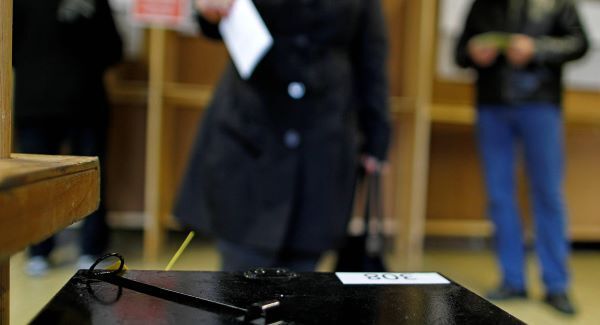
They are — or, in many cases, were — the squeaky wheels in the political process that has done so much to shape Ireland’s landscape, infrastructure, towns and rural development; our self image and our attitude towards participatory democracy too. Where familiarity should have bred reassurance it too often and unfortunately bred something approaching contempt.
It is a sad fact of how politics is perceived that the crossroads fixers, the obviously self-serving and profoundly distasteful, have had a far greater influence on how our precious and undervalued democratic process is viewed rather than the virtuous, well intentioned and decent majority of local politicians. To paraphrase Shakespeare’s lines from Julius Caesar: “The evil that local politicians do lives after them; the good is oft interred with their bones.”
That unfortunate and unwise attitude will more than likely, if the declining voting figures from recent elections are anything to go by, be reflected next week when something around just half of those of us entitled to vote will exercise that great privilege in local, European elections or bye-elections. In what must be one of the great, unwitting ironies of modern life most of those who will not vote cite the pointlessness of the process, the inability to change or improve our world through politics, as their reason for squandering their franchise. It is certain that if they were denied that vote that they would be outraged and protest most vigorously.
As so many town and district level political authorities, if they had any real authority at all, are about to close their minute books for ever the implications are worth considering. From purely a management view the rationalisation seems long overdue but from a political perspective it seems another unwelcome centralisation of power. As a proving ground for political hopefuls the apprenticeship bar has been raised and this may strengthen the party system but ultimately count against diversity or independents. And, unlike Taoiseach Enda Kenny’s rejected proposal to dispense with the Seanad, all of this has been done without reference to the electorate. Nevertheless, it is hard not to welcome the prospect of a more streamlined, more economically efficient and professional local government but then that prospect must be tempered with the knowledge that expectations are not always realised.
When old school pol Irish American Tipp O’Neill coined the phrase “all politics is local” he may not have realised he had fathered what was to become one of the most hackneyed lines in political commentary. It is probable too he did not intend the deeper meaning of the phrase — that everything done locally can be political. In that context the void, if that is what it is, left by the closure of local councils might well be filled by local groups intent on improving the environment enjoyed by their community. It is an opportunity for volunteerism to show that every activity can be political and that communal achievement is the most political, most revolutionary, of all acts.
CONNECT WITH US TODAY



Be the first to know the latest news and updates