Budget prospects: Discipline remains essential
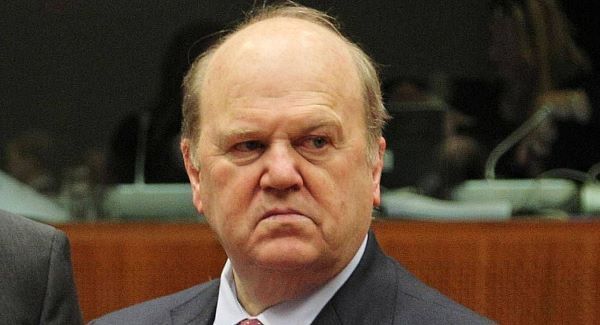
How cheering it would be to anticipate a budget that, if not expansionary, at least does not impose yet another round of disheartening cuts to incomes and public services. It is unfortunate, though, that — still — the stronger argument lies with the bad cop, in this instance Finance Minister Michael Noonan. He and his department have argued convincingly that the plan to introduce €2bn in tax rises and spending cuts next year should stand.
Like so many other projects in life, the outcome is determined not so much by the first four fifths of the preparation involved but rather how well, how determinedly, the last fifth of preparation, no matter how hard it is, is completed. Discipline delivers.
It seems irresponsible, too, to risk undoing everything — every miserable cutback, tax rise and reduction in services — endured over the last few years by relaxing too soon, by making short-term decisions that squander the prospect of long-term independence.
This argument stands despite that fact that troika targets are being met — the general Government deficit was 7.2% of gross domestic product last year, inside the agreed target of 7.5%.
Despite those figures, and they represent a considerable achievement, the Central Statistics Office reminds us that the difference between Government expenditure and income last year was €11.78bn. Though there has been some moderate improvement in the intervening months, that figure, if expressed through a different prism, translates into the chastening fact that we still, despite all of what we call austerity measures, borrow roughly €50m every working day just to pay the housekeeping bills. This is — and here is the very core of Mr Noonan’s determination to pursue the €2bn target — unsustainable in an economy that employs just 1.18m people in the private sector, many of whom fall outside the tax net. Government income rose from €56.6bn in 2012 to €58.9bn in 2013. However, expenditure also rose, from €69.8bn to €70.4bn. Taxes and social contributions were by far the largest component of revenue, representing just under 88% of income. Social benefits accounted for just over 40% of Government spending in 2012 and 2013.
Mr Noonan’s argument, no matter how difficult it is to muster the stamina to embrace with any degree enthusiasm, seems to offer the better long-term outcome. Hopefully his argument will prevail, no matter what the outcome of next month’s elections, that he and his colleagues have the discipline needed to restore sustainability to the public finances.
CONNECT WITH US TODAY



Be the first to know the latest news and updates