Clean up of Dodder rubbish
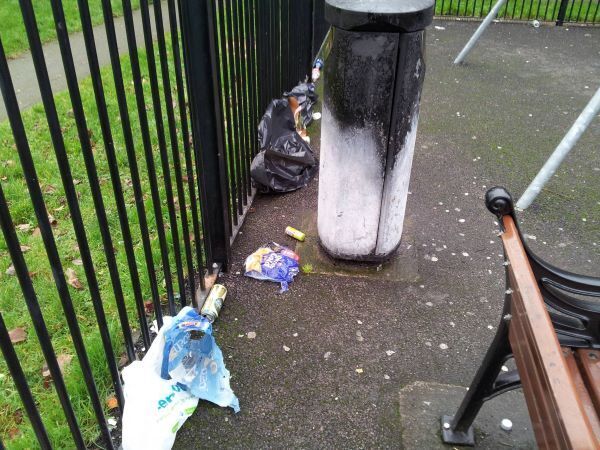
April is National Spring Clean month and more than 500,000 people took part in local clean-up events last April. There were 5,351 events countrywide and an estimated 550 tonnes of litter was collected, a third of which was recycled.
Cigarette-related litter continues to make up the lion’s share, 53%, mainly comprising cigarette ends, according to the National Litter Pollution Monitoring Survey.
Food-related litter, at 19%, is the second largest category of recorded litter. Chewing gum is the single largest component in this category, and also the second largest nationally, accounting for 18% of all litter recorded in the 2012 litter quantification surveys.
Apart altogether from the irritating nuisance of chewing gum sticking to the soles of your shoes, the substance is something of a national plague accounting for 21% of all recorded litter.
Packaging litter, at 13%, is the third largest litter source, with bottles, bottle caps, bags and wrappers being the main items in this category. Passing pedestrians and motorists account for almost 60% of all litter, the survey found. The most obvious forms of litter are on streets and roadsides, and in sometimes inaccessible places like railway lines and motorways.
But loads of litter does not readily meet the eye. There are people who sneakily throw bags of stuff in over ditches and cliffs, or drop it in bogs and disused quarries, while others use rivers and canals as dumps. Supermarket trollies, bikes, white electrical appliances and used car parts are among the items that regularly find watery graves.
Groups such as Dodder Action, in Dublin, will be out on Saturday next cleaning the banks of the 24km river that runs from Kippure, in the Wicklow mountains, to the sea at Grand Canal Dock.
Wildlife is returning to the Dodder, with otters making a comeback and salmon spawning for the first time in 100 years. Kingfishers and other species are also seen there regularly.
The National Spring Clean is Ireland’s largest anti-litter initiative organised by An Taisce and funded by the Department of the Environment.
*