Charity transparency - Who does your money go to?
Hot on the heels of the scandal of the €700,000 golden handshake for the Central Remedial Clinic’s former chief executive, a jaundiced public is now being treated to a bitter row between Justice Minister Alan Shatter and the Rehab Group following his threat to scrap its lottery scheme.
By no means is it an exaggeration to describe the bewildering array of charities operating in this country as an ‘industry’. As recent reports showed, an unknown number of chief executives get exorbitant salaries and fat pensions on a scale normally associated with bosses in the private sector.
This should not, however, detract from the excellent work charitable organisations do, especially those at the social and medical coalface, where they provide invaluable services for people with disabilities, the disadvantaged, the sick, and the needy. Effectively, they bridge a yawning gap successive governments have failed abysmally to fill.
In its love affair with austerity, the Fine Gael-Labour Coalition has shamefully imposed cutbacks on those on the fringes of society in dire need of support. Most charities, either at home or abroad, remain heavily dependent on voluntary contributions from people who, hopefully, will not be deterred by recent scandals.
The astonishingly low profit levels reported from its lottery scheme are the crux of the row between Mr Shatter and Rehab. In an unusual development, Mr Shatter told the Dáil he was winding down the lottery scheme, saying he no longer believed it was “fit for purpose”. Not surprisingly, Rehab was surprised by his comments, especially as the matter was before the courts and therefore sub judice.
Rehab sees itself as hard done by, as the victim in this controversy. However, the bottom line must be that, while it accuses the Government of double standards by threatening to scrap the lottery scheme while refusing to remove the prize cap of €20,000 a week, there is an onus on Rehab to explain the profits made from the sale of its charity scratch cards.
Adding fuel to the fire, Taoiseach Enda Kenny admits being taken aback by a profit margin of only €9,500 on scratch card sales of €4m, but declined to go further in light of the court proceedings, saying only that he hoped a new charities regulator will bring transparency.
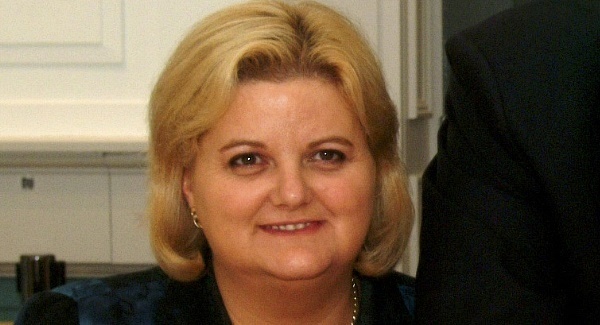
Controversially, Rehab chief executive Angela Kerins has refused to disclose her salary. It will be interesting to see if she is more forthcoming when summoned to appear before the Public Accounts Committee.
With unerring accuracy, Sinn Féin’s justice spokesman Pádraig Mac Lochlainn hit the nail on the head when he said: “Whenever somebody buys a ticket from anybody, you presume the vast majority of that profit is going to those who need it. You don’t presume it’s going to others. Rehab may have a very good explanation for it, but we need to hear it and we need to hear it as soon as possible.”
In an explosive twist, Fianna Fáil TD Sean Fleming claimed that Camelot, operators of the National Lottery, want the Government to clear the field of all opposition from other lotteries and fundraising groups, including sports organisations.
After a five-year delay by successive governments, the appointment of a regulator to bring transparency, clarity, and accountability to the opaque world of the Irish charities industry cannot come soon enough to assuage growing public concerns.
CONNECT WITH US TODAY



Be the first to know the latest news and updates