Shaping the future - The more things change ...
That we do not always succeed is just another sign of our human frailty. It is natural as we, say, try to change to a healthier lifestyle that we try to forget the excess of Christmas, maybe pretend that the St Stephen’s Day breakfast of ham and trifle was just a figment of our holiday-fevered imagination. We may psychologically block out the indulgence but the evidence, sadly, is undeniably on the waistline.
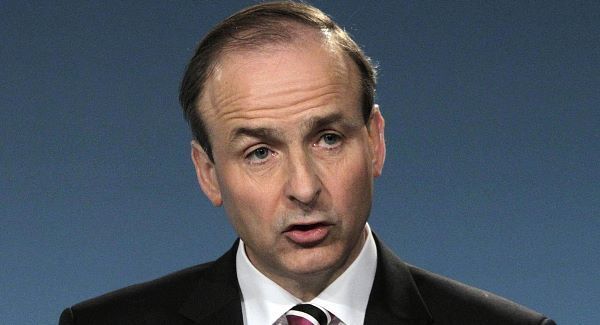
It is hard not to think that Fianna Fáil leader Micheál Martin is not indulging in a very selective review, a psychological purging as it were, of our recent history when, in an interview with this paper today, he asserts his party is no longer a toxic brand and is “moving on”.
Those tens of thousands of emigrants who, after the holidays, will leave Ireland again, those tens of thousands struggling with unsustainable mortgages, those hundreds of thousands left jobless when the culture his party forcefully encouraged and exploited collapsed will, however, find it very hard to be diss-uaded from the obvious, crushing lessons of the past.
Obviously Mr Martin’s Fianna Fáil is not as “toxic” as the one revealed by the selectively released State archive papers dealing with the Charles Haughey/Seán Doherty phone-tapping scandals of 30 years ago — see opposite page — but the legacy of Haughey’s successors Bertie Ahern and Brian Cowen is more than enough to sustain the toxic perception for years to come. Mr Martin’s task of changing the public perception of his party is more than challenging and all but impossible in the short term, a suggestion borne out by recent opinion polls.
The phone-tapping files remind us too that Fianna Fáil did not have a monopoly on toxic behaviour. The files record that “the biggest expansion in phone- tapping facilities came in 1974” when Fine Gael and Labour were in power. Fine Gael’s and Labour’s record of goading Fianna Fáil governments to be even more expansive in public spending is more evidence of a common recklessness. In another parallel the behaviour of Enda Kenny’s Government — and especially some of his ministers — is straight out of the una duce, una voce school of politics.
The recent three-card trickery from bullish Environment Minister Phil Hogan over political donations legislation could hardly be more different to the promises of openness made at election time. The misuse of a powerful Dáil majority to stymie debate — the Water Services Bill is just a recent example — ignores the spirit of the mandate for change the Governmentwas given at the last election.
Another thing Fianna Fáil and Fine Gael have in common is their awareness of how quickly the country will returns to the polls. Fine Gael, with, among other things, suggestions of tax cuts and shabby dodging on promises over political funding procedures, become more and more like their predecessors in their efforts to retain power. Fianna Fáil, even if greatly reduced, is beginning to make exactly the kind of warming, reform-promising, fresh-start noises Fine Gael made before the 2011 election in its efforts to regain power.
This suggests again, as we have said almost time out of number, that they are deep-down two sides of the same coin and that the real price for sustaining two parties with little or no differences, political or maybe cultural, is profound political conservatism, a culture of public service secrecy, short-term thinking and that stagnation that encourages.