DNA database - Minister deserves to be applauded
This is a very positive and long overdue development. The third government minister to publish such a bill, he is characteristically confident of succeeding where others failed. Though his manner has often come in for criticism, much of it warranted, including sharp censure in these columns, it is appropriate that credit be given where it is due.
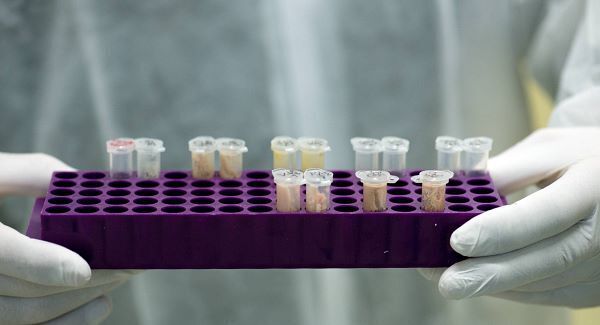
Society in general, and especially victims of crime, will welcome this move to set up a DNA database which will make it easier to investigate serious crime. Once the bill comes into force next year, DNA from a crime scene will be entered in the database and routinely checked against the stored DNA profiles of suspects and offenders. It will give the gardaí a powerful and invaluable weapon in the relentless fight against crime.
DNA offers a form of chemical fingerprint that will significantly strengthen the arm of the law. When this is up and running, it will hold DNA samples taken from perpetrators of serious crime or from suspects detained in connection with criminal investigations.
Sex offenders will also be compelled to have their DNA profiles registered. Nobody will object to that.
Stored DNA will be used in new investigations of ‘cold cases’ to track down suspects who thought they had got away with their crime. One of its most important uses will be in establishing the innocence of those wrongly convicted.
Furthermore, gardaí will look to the database as a highly reliable means of linking a series of crimes and they can use it to identify the suspects of unsolved felonies and help find or identify missing persons.
In many countries, DNA databases are an everyday tool in crime investigation. But, as in other jurisdictions, there have in the past been objections to setting up a DNA database here on grounds it would represent an infringement of a person’s civil rights. Understandably, the retention of a DNA record long after a suspect’s name had been cleared encountered opposition. Under the new bill, however, the Garda Commissioner can allow a person’s DNA profile to be retained on the database for up to six years if he believes that is necessary, a decision which can be appealed. Of crucial importance, the profiles of convicted criminals can be retained indefinitely. In the face of these provisions, and provided the system is seen to operate according to the book, objections to the setting up of the new DNA database would be spurious.
As an extra safeguard, its overall management and operation will be overseen by a committee embracing a data protection representative and chaired by a judge.
As witnessed in the Innocence Project in America which has secured the release of hundreds of wrongly imprisoned suspects, there is more to cutting-edge forensic science than convicting criminals. Provided it is used effectively and not starved of resources, Ireland’s DNA database should guarantee that innocent people have nothing to fear.
CONNECT WITH US TODAY



Be the first to know the latest news and updates