Brussels briefing
The moon rose over the sea and shone on the ancient amphitheatre of Curium and the official opening ceremony of the Cyprus presidency came to an end, guests rushed to the outdoor buffet.
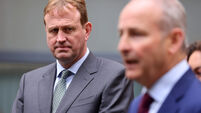
They included among the commissioners Máire Geoghegan-Quinn, pictured, who was as surprised as anyone to run into Environment Minister Phil Hogan.
Had he come to take over her role already, before her term is up? No. He was representing the Taoiseach at the event, he reassured her.
But it looked like a case of “not yet” for the Fine Gael mover and shaker who appears to have almost solved the sticky issue of saving the last 1% of Ireland’s living bogs that has proved such a bugbear in Brussels.
There is some bafflement in Brussels on the European Commission’s decision to develop safety guidelines for putting genetically modified animals and their products on the menu.
No country in the world authorises milk, meat or eggs from GM animals, and any research into this has been largely abandoned because the public is hostile to the idea.
The guidelines describing the safety checks that would be required before a GM animal could be authorised in Europe opens the way for firms to start pursuing this now, a disgusted Friends of the Earth says.
Not every app for your smartphone can offer the prospect of getting €600 in compensation for holiday mishaps.
To coincide with holiday time, the European Commission has launched an app that lets you check out your rights on the spot.
So next time your luggage is lost or your flight cancelled and you’re being told nothing can be done, open up the app and show them.
It could be worth up to €600 if your flight is cancelled or at least a cup of tea if it’s delayed.
Scan to download the app or for more information on passenger’s rights see http://exa.mn/6y
The horse of dodgy investments may have bolted but in the belief that, better late than never, the EU is introducing three laws to better protect people’s savings.
But the old bugbear of brokers selling products on which they get the highest commission will not be eliminated, according to the European consumer organisation, BEUC.
Despite being an island, they don’t do much fishing, are big dairy farmers, have a divisive border, would go to war to protect their low corporation tax and their banks have been their downfall.
Still haven’t got it? They have a big financial services sector, a thriving tourism industry and are making firm friends for their future with the BRIC countries. If you thought this was Ireland, you are wrong.
It’s Cyprus where they have sunshine 360 days a year and a Communist president who wants to borrow more money from Russia. Trying to calm fears about his links with Moscow, he promises he is not trying to bring Communism to Cyprus because, after all Russia is restoring capitalism.
Tachographs, the bane of many transport companies, will be making a comeback to the European Parliament in the near future.
Apparently thousands of goods vehicles and buses criss-crossing the EU every day are breaking the rules on minimum rest periods for drivers by by-passing their tachographs. North West MEP Jim Higgins told the Parliament in a report he prepared that new Smart tachographs, using digital technology, will combat such fraud, making roads safer and cutting administration for the transport companies by €515m a year.
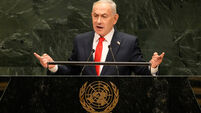
An updated version of the battle of Waterloo was in danger of breaking out during the week when Commission president Jose Manual Barroso, pictured, led an attack on Britain in the European Parliament.
Accusing Tory MEPs of “taking delight” in the difficulties of the euro area, he pointed out that Britain was the country with the biggest problems. He also said their statements saying eurozone countries in trouble should leave the euro contradicted their prime minister.
The eurosceptic Tory members are sensing victory as David Cameron appears to be edging Britain ever closer to a referendum on Europe.
Citizens of Congo, Ghana, Liberia and Zimbabwe came to Brussels during the week to add their support for legislation going through the EU process at the moment.
They want to ensure new laws force EU companies involved in extractive industries report who and what they pay in each country they are operating in.
They believe it would ensure some of the €3bn in gold from Ghana makes its way to local communities and stops revenues from blood diamonds going to terrorists in Zimbabwe, among other measures to ensure greater transparency in the industries.
Ireland, initially against the legislation, may be changing its mind.