Facing the bald truth is no grey area
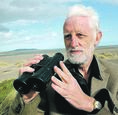
He recently revealed on RTÉ radio’s Mooney Show that a pill to stop hair turning grey may soon be available. Now undergoing initial testing, the pill is designed to be taken each day like a dietary supplement. It won’t, unfortunately, help those whose hair has already lost colour but will slow the onset of fading. The cosmetic company which puts such a pill on the market will tap into a huge demand.
Hair colour is produced by pigment cells which become oxidised and die. Scientists, seeking a way to prevent this happening, decided to search for a fruit extract rather than develop an artificial compound. One extract they found, the identity of which is a closely-guarded secret, seems to protect pigment cells and keep them alive. If all goes well at the testing stage and field trials are successful, grey hair will become for less common among middle aged people than it is today.
But why are people so hung up about the greying process? Until very recently in human history, few individuals lived long enough to lose their hair or its colouring. Developing grey locks and going bald are normal processes, not diseases. They even play a role in social development. Grey locks, a white beard or a shining bald head proclaim that the bearer has been successful in the trials of life. Such features should be coveted, especially in men. The follically-challenged individual, as the bearer of successful genes, would surely have been a most desirable sexual partner long ago.
A grey pelage is the ultimate badge of status among one of our closest animal relatives; the gorilla. Harry, Dublin Zoo’s 25-year-old gorilla, the leader of his troop, is an impressive ‘silverback’. No younger male dare mate with one of his concubines.
In females, greying may be a sign that the fertile years are numbered, but the matriarch, as viewers of the Downton Abbey TV series will be aware, plays an immensely important role in family life. Granny, with her vast experience of life and its dilemmas, usually calls the shots when it comes to social decision-making. Grandmothers rule the roost in elephant herds. When grandsons get too big for their boots, they are evicted from the herd. Condemned to lead wandering solitary lives, males in musth are allowed only brief visits to cavort with fertile females before being sent packing. Similar arrangements may apply in baleen whale pods, where old females, larger than the males, seem to rule the roost.
The coats of bumble bees and tarantulas appear hairy but mammals are the only creatures to have developed true hair. Even whales have a thin coating of it. Rhinos go further; their famous horns are made of compacted hair. We humans, however, got rid of our coats millennia ago. Our ancestors had covering all over their bodies. They, like the other great apes, lived in shady forests. Then we stood upright and ventured out onto the plains.
Hair offers protection from the sun’s radiation but it’s a nuisance in blistering heat. All other mammals stay in the shade during the heat of the day. By developing new cooling methods, we could stay out in the open for much longer periods a considerable advantage in hunting and gathering.
Standing upright, our arms were free to carry weapons and spoils. The wind over the hot plains helped dissipate body heat and black skin pigment took over from hair in blocking the sun’s lethal rays. Keeping the brain cool was vital. This demanding organ uses a fifth of the energy we generate. Held high in the breeze, it was as far from the hot ground as possible. Exposing the skin enabled the ultimate cooling system to develop; sweating. Pores secrete water which evaporates, drawing heat from the body as it flashes into steam.
CONNECT WITH US TODAY



Be the first to know the latest news and updates