Belfast riots - Focus on root causes
Senior police have blamed the Ulster Volunteer Force (UVF) for this week’s rioting.
The sudden upsurge in violence has been the worst the city has seen for many years. Some loyalist community workers blame simmering tensions at what has been a notorious sectarian interface, while others attribute it to rivalries within the UVF.
Some within working-class segments of loyalism in Belfast seem to feel that the peace process has left them behind. They were the focus of so much attention for so long that they now feel that they have lost their voice — that they are no longer important.
Dismissing the riots as mere recreational violence would be much too simplistic. The whole thing poses a democratic challenge, because it is the essence of democracy that all citizens should feel important.
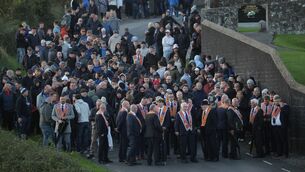
Northern Ireland First Minister Peter Robinson and Deputy First Minister Martin McGuinness have each condemned the rioting. They clearly represent the views of the vast majority on both sides of the sectarian divide, so their condemnation is a measure of progress — especially with the approach of the marching season.
Community leaders, supported by government on both sides of the border, need to live up to all the promises they have made and tackle the underlying causes of these riots in order to ensure that the unrest is not allowed to spread to other areas, especially across the sectarian divide.
CONNECT WITH US TODAY



Be the first to know the latest news and updates