King of the wildlife cameramen
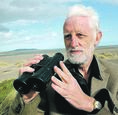
An African diet can play havoc with a European tummy, nor are seasoned wildlife professionals immune from its attacks. Simon, taken short on one occasion, was forced to leave the safety of his Land Rover and head for some bushes. Once inside, he was startled by a deep spine-chilling growl; a male lion had been sleeping in the thicket. Fortunately, the King of Beasts took a benign view of the King of cameramen and departed.
All’s well that ends well and there was a bonus; this close encounter of the turd kind immediately cured the bowel complaint.
On an assignment in Sri Lanka, Simon set up his camera on a rock overlooking a flooded valley where a herd of elephants came to drink. The huge beasts caught his scent but Simon wasn’t worried; elephants couldn’t climb up the steep slope on which he was perched, or so he thought. Soon, only his camera and tripod stood between him and two angry young bulls.
He talked to them soothingly in terrified hushed tones while one of the elephants ran his trunk gently over the camera. The stand-off lasted half an hour. Then the bulls returned to the herd and headed for the forest.
These incidents and a host of similar ones are described in Simon’s autobiography, Wild Life, which has just appeared. Face-to-face encounters with some of the world’s most dangerous animals are not for the faint-hearted but, the only creatures which injured Simon were closer to home. To film the hatching of mute swan eggs, Simon set up a canvas hide near a nest in Somerset.
Moving the hide very gradually closer to the nest, he was eventually right beside the bird.
When his head pushed against the side of the canvas, the bulge alarmed the expectant mother who promptly took a swipe at the lump. Her carpal joint, the bony knob at the bend of the wing, caught Simon on the temple knocking him unconscious.
It’s often said that a blow from a swan’s wing can break an arm and Simon’s experience certainly suggests that it could. Having caught and ringed over 2,000 swans, I can testify to the strength of this big bird’s flight muscles.
A swan’s wing may be a powerful weapon but it can’t aimed very well. Blows have left dark bruises on the arms and thighs, but I never sustained a significant injury. Perhaps I was lucky; an English colleague suffered a broken wrist and another had cracked ribs.
Simon’s book throws light on another animal myth; that an otter grabbing hold of your leg won’t let go until it hears the bone cracking. While working with a domesticated otter for the BBC’s Animal Dramas series, Simon overstepped the mark.
When the otter disappeared under the ground, Simon put his arm down a hole to retrieve it. The animal seized a finger and refused to let go. Simon, permanently scarred, was lucky not to lose the finger.
This great film-maker is a man of many talents. He demonstrated his considerable skills as a raconteur on RTE’s Mooney Show recently and he is also a gifted writer. His book is lively and entertaining, an excellent read. Born in Kenya, he grew up in Bristol, home of the BBC’s natural history unit. His father was a producer for the BBC which gave Simon a foot in the broadcasting door.
His contributions to programmes such as Blue Planet and Big Cat Diary includes some of the finest ever wildlife footage. He was the first cameraman to film a tiger making a kill and his ghoulish images of great white sharks tossing seals into the air are justly famous.
The personal sacrifices that a wildlife cameraman must make if he is to reach the top of his profession are touched upon, but readers expecting an insight into the dog-eat-dog world of wildlife film-making, or into the lives of natural history celebrities, will be disappointed.
Wild Life by Simon King is published by Hodder & Stoughton.