How many reports do we need? Challenge failure to end dysfunction
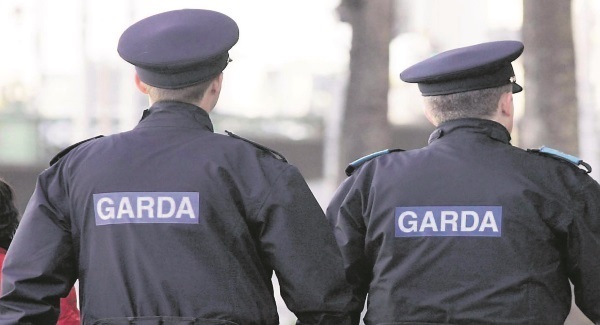
WHEN, on Monday, he offered opening remarks at the tribunal considering allegations that there was a campaign led by senior garda officers to discredit whistleblower Sgt Maurice McCabe, Supreme Court judge, Mr Justice Peter Charleton, set some ground rules and underlined the absolute need for truthful testimony.

How many reports do we need? Challenge failure to end dysfunction

He pointed out that honesty is a bedrock of any functioning society. That he felt it necessary to make those remarks before he opened a tribunal that will deal with our police force’s behaviour and character is sobering.

Mr Justice Charleton is undoubtedly aware of the long history of controversy in the force and, like anyone else who has considered it, must conclude that there is something pretty close to a cultural expectation of immunity among some — but not all — of its members.

It may be 40 years since allegations of a garda heavy gang, whose role was to “assist” suspects to make confessions, were made but that is as good a point as any to begin, especially as the same circle-the-wagons culture seems so alive today. Those allegations were rejected, but a year earlier the Sallins train robbery led to the Nicky Kelly scandal. During that investigation, it was alleged suspects were beaten to secure confessions. In one instance gardaí alleged a man, held alone in a cell, beat himself up.

At the end of 1980 the Supreme Court released Christy Lynch from jail. Four years earlier he had been convicted of the murder of Vera Cooney. He had confessed and served three years. The court ruled he had been a victim of “harassment and oppression” and that Cooney was alive when he claimed to have killed her. How his confession was achieved has never been explained.

The 1982 Amanda McShane case and, a year later, the Michael Ward case, in which he confessed to carrying out burglaries executed while he was in prison, continued that theme.

There followed the infamous Kerry Babies’ Tribunal, or, as some those involved still call it, the Kerry Garda Tribunal. It sat for 77 days and took evidence from 109 witnesses. Some evidence offered by gardaí stretched even the most vivid imaginations and defied accepted science. Though it’s more than 30 years since that tribunal sat the Ireland it uncovered, the self-righteousness and hypocrisy, the authoritarianism and the assumed sense of superiority it revealed still has the capacity to chill.

In 2006, the Barr tribunal considered the fatal shooting of John Carthy by gardaí at Abbeylara in 2000. It found the shooting was “avoidable” and that “negligence of those in command led to the tragedy”.

More recently we had the Morris tribunal which confirmed garda corruption on a fantastic scale in Donegal, a confirmation that led to a compensation payment of €1.5m to Frank McBrearty jnr who had been knowingly and falsely accused of murder by gardaí.

Since then we’ve had the Smithwick tribunal which investigated allegations of collusion following the 1989 killing by the IRA of two RUC officers as they returned to Northern Ireland after a meeting with gardaí. The tribunal found that “there was someone within the Garda station assisting the IRA”. It also found that earlier garda investigations into the murders “were inadequate”.

The unassertive garda responses to allegations of the sexual abuse of children by clerics was criticised in the 2005 Ferns report, the 2009 Murphy report and the 2011 Cloyne report. Though these reports led to the resignation of bishops not one garda felt it necessary to do so.

Hours after Mr Charleton’s plea, the long-awaited report into how “Grace” — a woman abused in foster care for at least 14 years because the State employees failed spectacularly was published. Just as there are myriad reports into garda failure — and banking failures too — the publication of the Devine report is the latest one to reveal professional failure in the HSE, failure that goes far beyond any issue of resources. The report was completed for the HSE five years ago but was suppressed. Yesterday, launching further details of “Grace’s” ordeal the HSE again apologised and offered a “heartfelt and unreserved” apology for the failure to keep people safe.

All of these tribunals and reports point to a recurring failure that almost guarantees dysfunction or worse in our public affairs. We make laws but do not enforce them; we appoint people to positions of responsibility but take no real action when those responsibilities are not met. If this was about something as petty as vengeance then these arguments could be — should be — quickly dismissed but, as we all know, they are not. They are about taking the next steps towards building a far better, more admirable Ireland. A win-win objective.

x

More in this section

Revoiced

Newsletter

Had a busy week? Sign up for some of the best reads from the week gone by. Selected just for you.

Cookie Policy Privacy Policy Brand Safety FAQ Help Contact Us Terms and Conditions

© Examiner Echo Group Limited