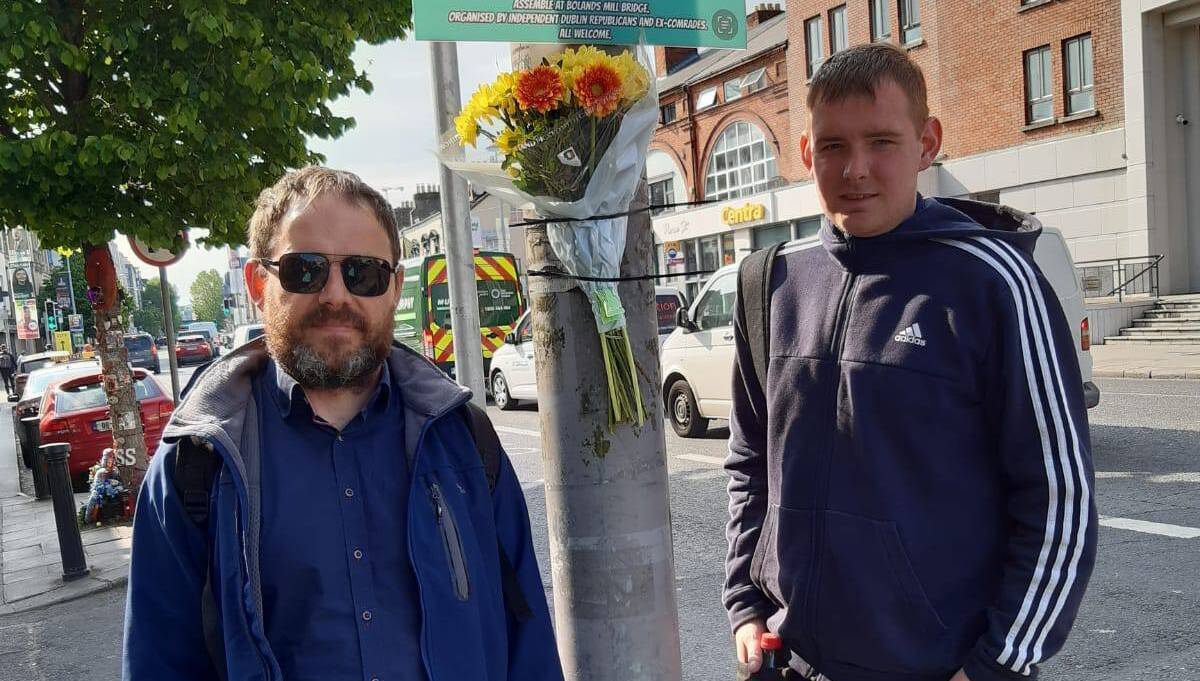
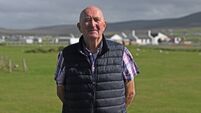
Martin Farrell remembers hearing that his father had been shot dead. He was 11, at home with his mother and two-year-old brother. They lived in Ballybough in Dublin’s north inner city.
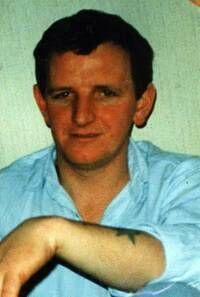
On the evening of Saturday, May 21, 1994, Martin’s father, Martin Doherty, had been acting as doorman for a function in the Widow Scallan’s pub across the Liffey in Pearse St. He was shot dead at around 11pm.
“I found out the next day,” Farrell says. “Some friends came to our home and told my mother. It was all over the news after that.”
Martin’s father was a member of the Provisional IRA. He was killed by loyalist gunmen as they were attempting to bomb the pub, where a benefit function was being held for IRA prisoners.
Around 150 people were at the event, held upstairs in the premises. Had the bomb detonated, as the loyalists were attempting, there would have been major casualties. The killing of Martin Doherty occurred just a few months before the IRA’s first ceasefire opened up a path to peace.
Thirty three years on from that fateful evening, Farrell — who was given his mother’s surname — is still looking for answers.
Read More
The loyalist gang that arrived in Dublin that night had been under surveillance. They had a history of attacking Catholics and Republicans and there was also an informer in their midst.
In other operations in which they were involved, bombs had been handed over to the Royal Ulster Constabulary (RUC) by the informer to have devices disabled and save lives.
A number of questions arise, including whether the gardaí had forewarnings about the gang’s intent and whether a subsequent investigation was as thorough as it might have been.

Belfast-based solicitor Kevin Winters is now acting on behalf of Farrell to get some answers. He has written to the Garda ombudsman seeking an investigation of An Garda Síochána on the matter.
“Information was provided to An Garda Síochána identifying potential suspects, including information provided through Raymond McCord [the loyalist informer], yet no effective investigative outcome followed and no meaningful explanation has ever been provided.”
Winters has received formal confirmation from the Attorney General’s office that Fiosrú can investigate what occurred. He places the case in the context of legacy investigations.
The Government has been firm in chasing their British counterparts to pursue justice for victims of Troubles-related killings north of the border. That approach does not extend to looking into the entrails of the Irish State apparatus to see what shortcomings may exist in how this State dealt with killings at the time.
“It’s disappointing that we had to resort to formal litigation correspondence with Fiosrú to get this long overdue acceptance [of the ombudsman’s power to investigate the killing],” Winters says.
“Incredibly, to date there’s never been a meaningful outcome for any Troubles-bereaved families on any conflict-related murders on the Republic of Ireland. There’s no point in the Irish Government condemning the British over their well known failures on troubles cases if they haven’t sorted their own deficiencies.”
Attack breakdown
The three-member Ulster Volunteer Force (UVF) gang travelled to Dublin on the evening in a gold-coloured Triumph Acclaim which had been bought in Lisburn, Co Antrim, the previous day.
The vehicle was reported to have been under surveillance by the gardaí’s special branch when it arrived in Dublin, but this was later withdrawn. Such actions were in keeping with policing at the time.
At 10.50pm, the car pulled up outside the Widow Scallan’s. The entrance to the upstairs function room was separate from the front door of the pub element of the premises. Two of the men got out of the car with a holdall bag and approached the function room door. However, the event was already underway and the door was locked.
Inside, one of the patrons, Paddy Burke, was coming down the stairs to the entrance. He heard a racket on the far side of the door, then a sharp noise, a gun being discharged. He saw wood on the door splinter and knew immediately that he had been shot. He collapsed on the stairs. He would survive the serious injury he sustained.
Meanwhile, Martin Doherty had done his chore for the night in manning the function room door and was now relaxing in the bar downstairs. A Chris Eubank fight was on the TV. He heard the sharp report from outside and immediately went out.
He confronted the two UVF men and one of them shot him. He is believed to have died almost immediately. The raiders got back into the car, which sped off.
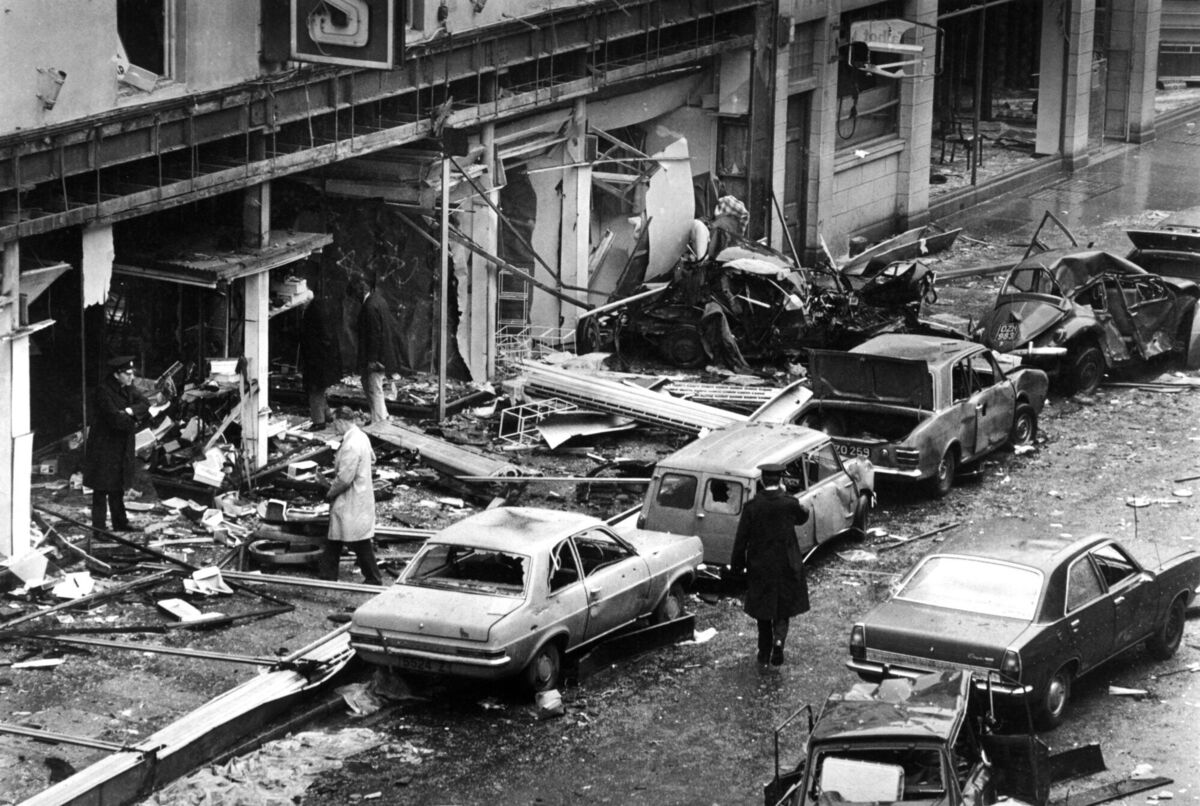
Patrons began spilling out of the pub and down from the function room. One woman picked up the holdall which was on the street and placed it inside the function room door. Within a few minutes, there was a small explosion from the bag.
The detonator, rather than the bomb, had gone off. If the bomb had exploded there would undoubtedly been multiple casualties. The Triumph Acclaim was found burnt out on Portland Row, about half a mile from Widow Scallan’s, 15 minutes after Martin Doherty was shot dead.
The UVF claimed responsibility for the attack in a phone call to the BBC in Belfast the morning after.
Mindless savagery
The following Tuesday in the Dáil, then-justice minister Máire Geoghegan-Quinn described the attack as mindless savagery.
A total of 32 people had already been killed in the North so far that year, she told the house. She said the gardaí and the RUC had been alert to the possibility of an attack like this.
“It is not possible for the security forces to guarantee that each and every attack can be prevented,” she said.
The priority for the government and the gardaí, she said, was “to bring those who perpetrated it to justice and to ensure that all possible steps are taken to prevent a further attack of this kind”.
An investigation was conducted but nobody was ever charged. At one point, suspects were identified in the North while under arrest for other matters. Witnesses from the Widow Scallan’s were invited to an identity parade in a Belfast RUC station but nothing came of it.

In 1997, there was an attempted bomb attack on Sinn Féin offices in Monaghan. Like at the Widow Scallan’s, the detonator exploded — rather than the bomb.
In both instances, it was alleged a UVF informer had brought the device to the RUC to disable it ahead of the attack. If that was shown to be the case, questions arise as to whether the RUC contacted the gardaí to warn of an imminent attack.
Another clue emerged a few years later when there was a report that the gun used to kill Martin Doherty had been used previously in the murder of a high profile loyalist figure.
The case was reviewed by the gardaí in 2006-07 but no further progress was made.
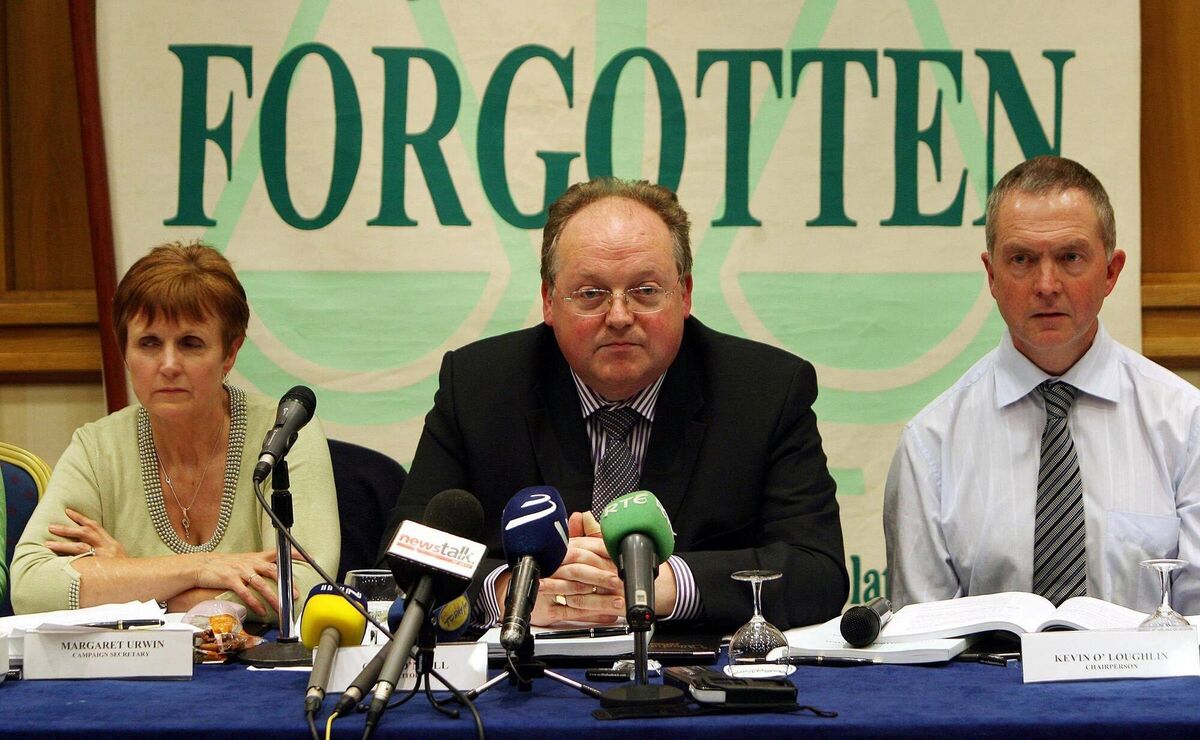
In the meantime, Martin Doherty’s family were engaged in ensuring that the case would not be sidelined. Assisting them was Margaret Urwin, who has been a central figure in the quest for justice by families of the Dublin/Monaghan bombings in 1974.
Further examination
Right now, Farrell wants Fiosrú to examine how the initial investigation took place, were there any shortcomings, and were there any evidence of any knowledge south of the border of the UVF unit that came to Dublin.
He believes that his father’s death was not properly investigated — in the same way that the Dublin/Monaghan bombings investigation left more questions than answers.
Farrell says he is proud of what his father did on the night in question and his wider activities.
“It did have a fierce impact on me,” he says. “But I am proud of what he did and where we came from. He was a combatant and he gave his life.”
Farrell remembers growing up in what is termed a Republican family. His experience left him with a deficit of confidence in the operation of the gardaí.
He said: “As a child even, I remember going out with my mother to her family in Finglas, my brother in the pram, and the special branch following up and laughing at her as [we] picked flowers. Why would they want to investigate the death of an IRA man?”
During the 1970s and ‘80s, the Garda special branch did conduct extensive surveillance on all people with Republican links, as the group was ostensibly committed to overthrowing the State.

There had also been murders at the time of both gardaí and prison officers by elements in Republican paramilitaries — undoubtedly there was animosity between members of the gardaí and those who claimed affiliation to the aims of the Provisional IRA.
There has long been an acceptance in the North that legacy issues need to be dealt with. Farrell believes that whatever about the commitment to deal with the past north of the border, there is very little in the Republic. He cites the ongoing failure to find closure in relation to the Dublin/Monaghan bombings as the obvious example.
“My mother was in town the day those bombs went off,” he says.
“She was just two minutes away from being blown up. That’s a similar thing in terms of the way it was investigated to what happened my father. It’s time something was done about it.”
Fiosrú does not comment on specific complaints but a spokesperson supplied the following statement about legacy issues: “Section 197 of the Policing Security and Community Safety Act 2024 imposes a time limit for making complaints. It states that a complaint must be made within the period of 12 months beginning on the date of the act or omission giving rise to the complaint.
“This section states that the police ombudsman may authorise an extension of the period of time for making a complaint where he or she considers that there is good reason to do so.”
CONNECT WITH US TODAY
Be the first to know the latest news and updates