Rivers of Munster: The Feale's influence on the town of Listowel is clear
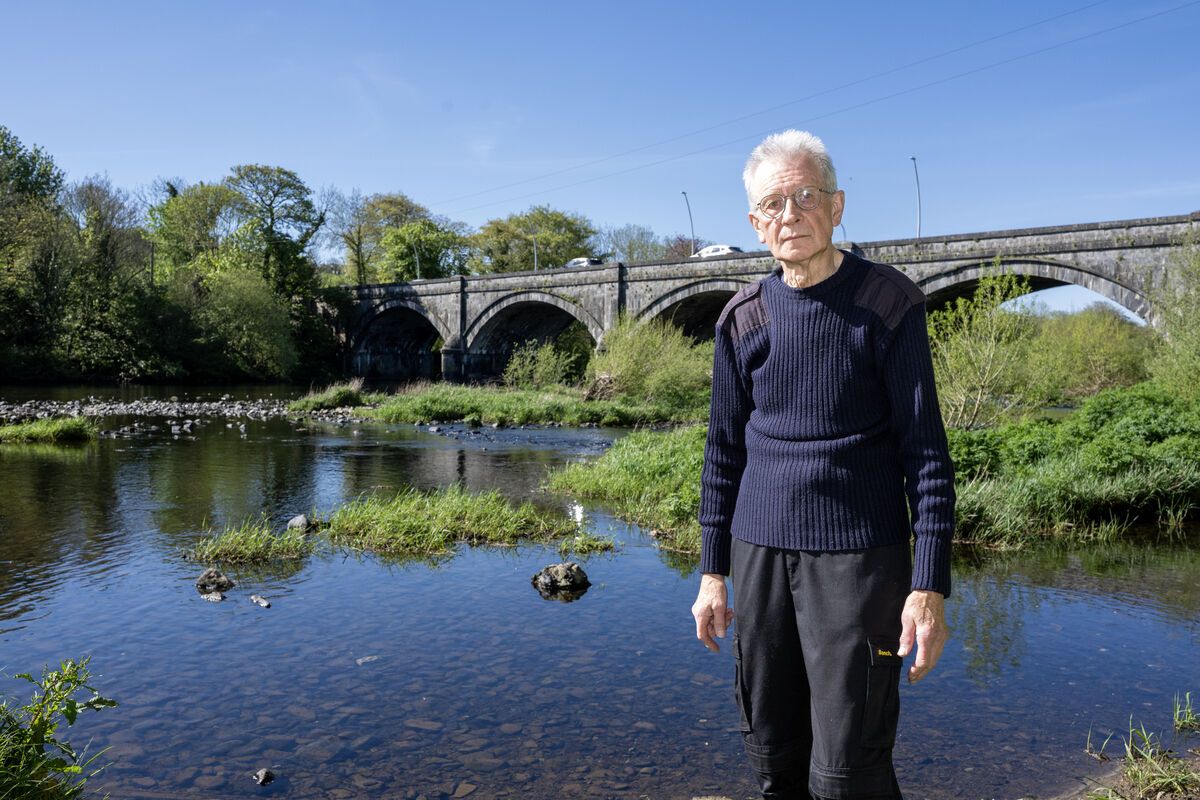
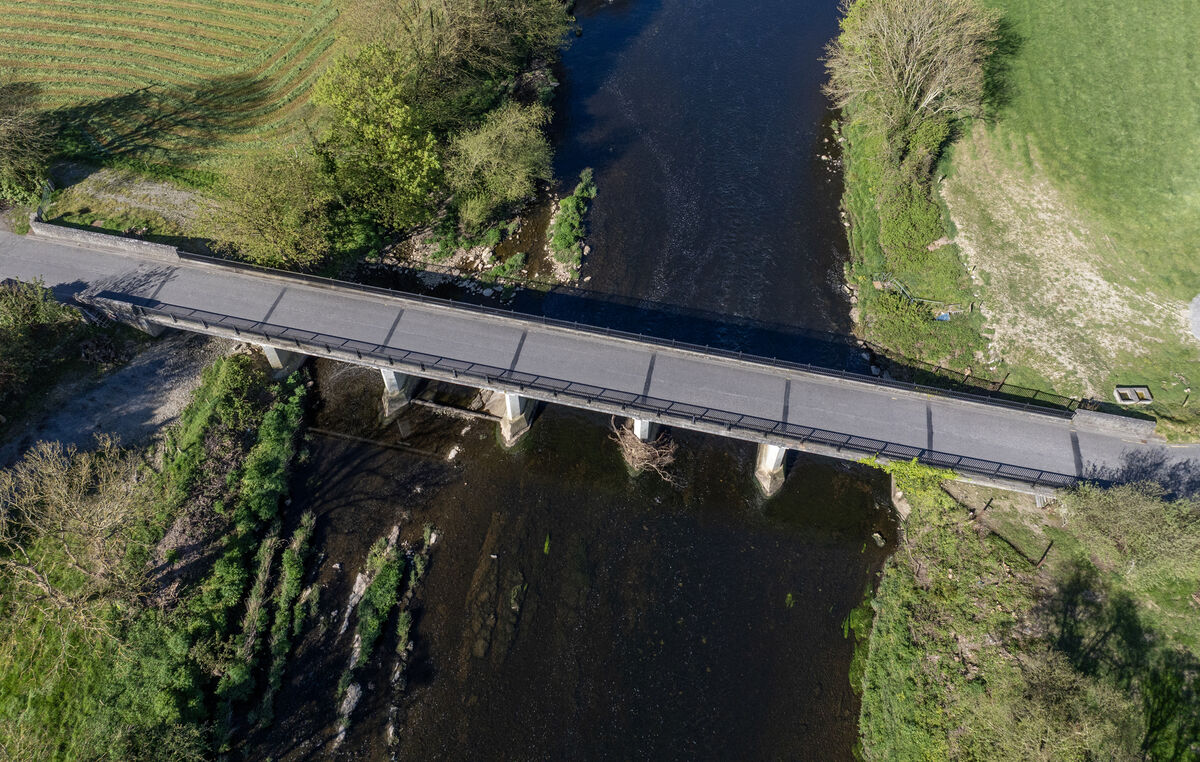
The bridge over the River Feale on the way into Listowel from the Tralee side. Photo: Domnick Walsh © Eye Focus LTD
The Feale rises in north Cork, near Rockchapel, soon takes a turn northwest and rolls down through Limerick and Kerry.
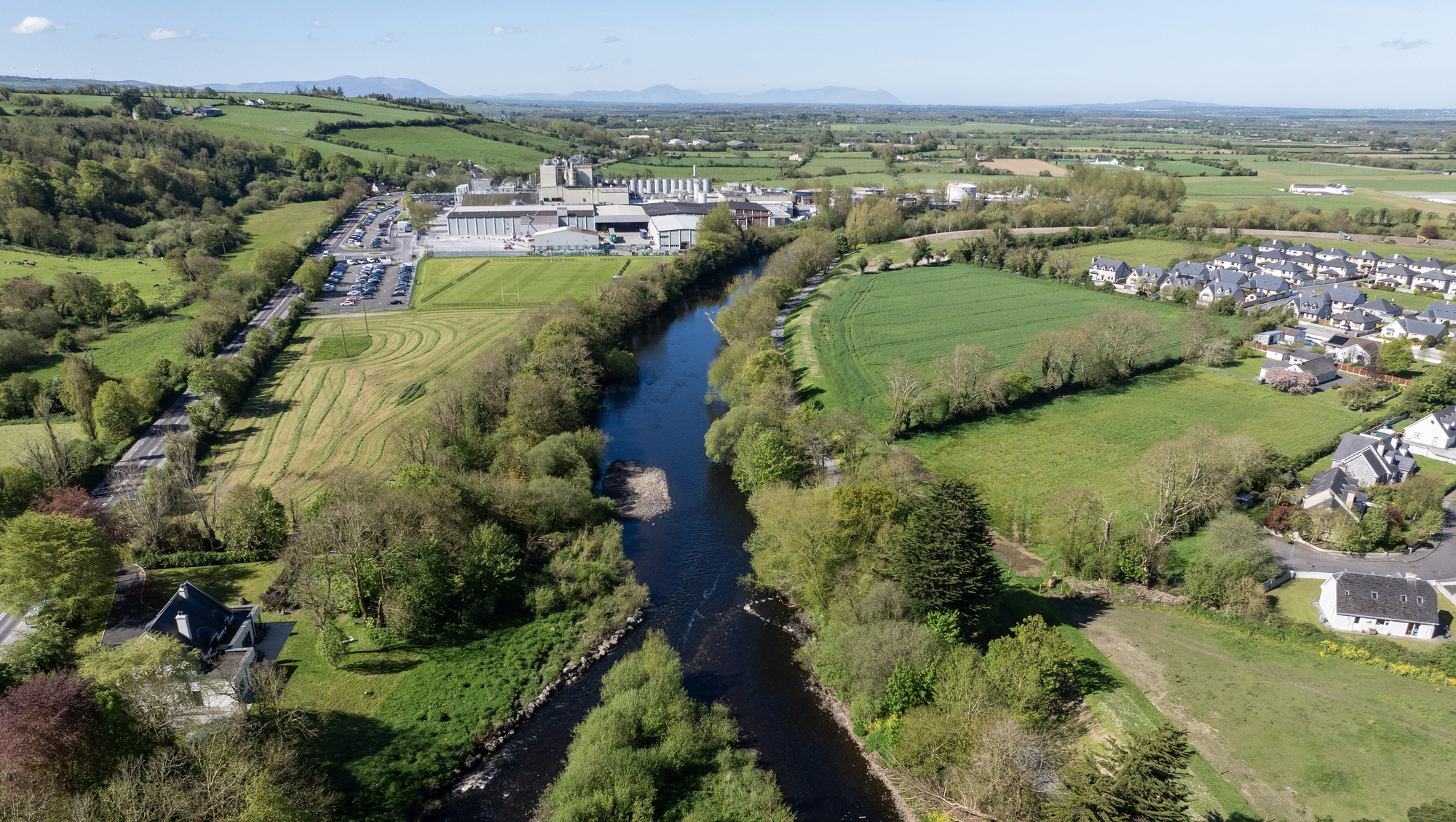
One of the main towns along the Feale is Listowel in north Kerry. The influence of the river on the town is immediately clear.
Read More
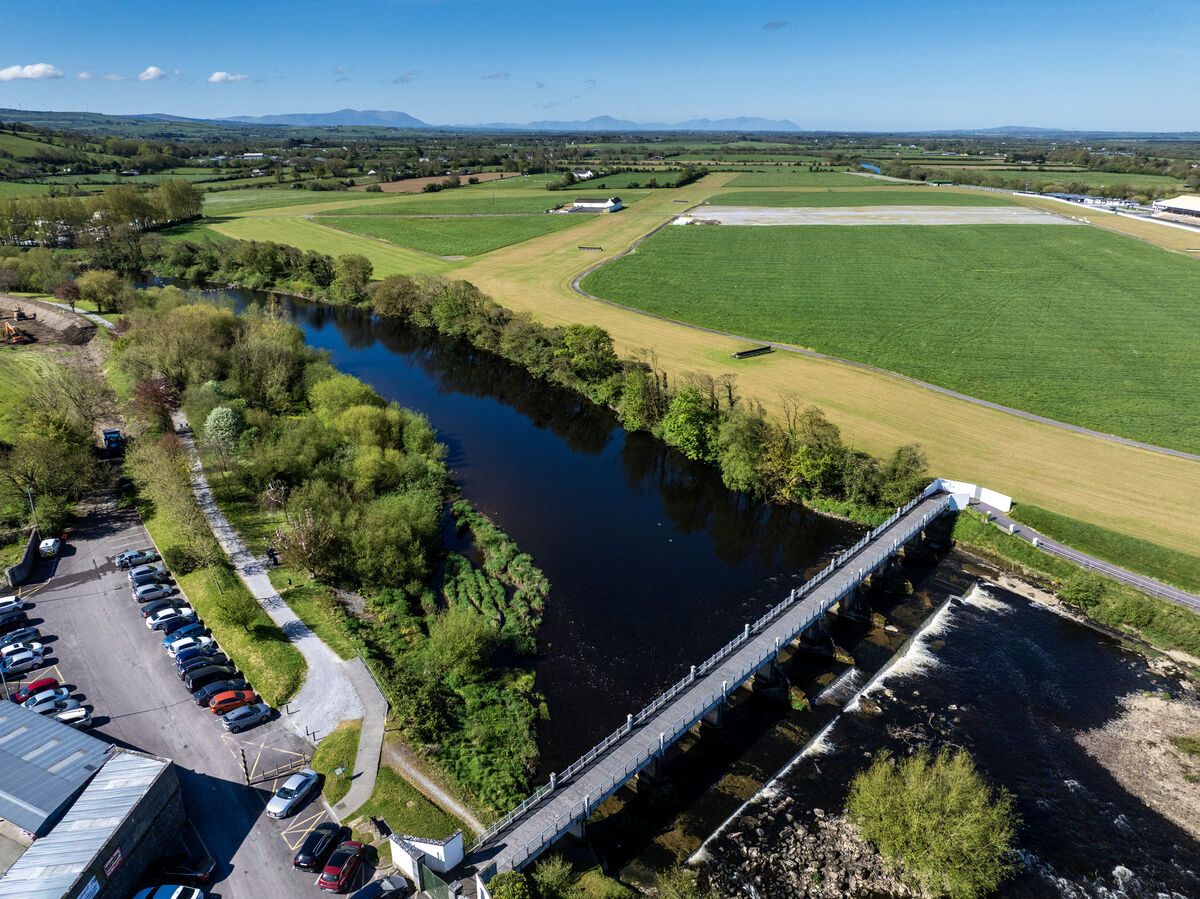
Where else would you find a racecourse where two of the entrances are via bridges, with the track itself nicknamed ‘the island’? Horseracing fans will know the Feale well, even if it’s only because of that unique approach to the venue.
Does the river loom large in the lives of the local residents, though? I asked local man John Lavery whether the Feale is central to their lives, and he responded with the myth outlining the origins of the name — but we’ll come to that.
CLIMATE & SUSTAINABILITY HUB
“For a lot of people the river is very much part of their lives, they’re well aware of it and take a keen interest in it all the time,” he said.
“There might be others who probably aren’t even aware it’s passing by, but that’s only natural. But a lot of work has been done around the river which has brought it into people’s lives.
“For instance, the local Tidy Towns organisation has worked with Kerry County Council to create a beautiful walkway which leads right down to the main bridge coming in from Duagh.
“It’s a lovely gravelled walk with a beautiful view of the river — there was a time when it was just a path for fishermen, but now there are huge numbers of people using that path for recreation.
“To create that took work, and that work was done, and is still being done. The path is easy to walk — it’s well maintained and that encourages people to use it at all times of the year. It’s inviting.
"And there are plenty of signs, and those signs are informative about the river — what kinds of birds and fish are in the river and the surrounding area.
“All of that generates the interest in the river in turn. People get all the associated health benefits from being in nature and getting the exercise of walking and so on, but it’s also good for the river. People get to know the river and they appreciate it more as a result.”
Orienting residents’ walking habits towards a river is a tried-and-trusted approach, but Lavery broadens the discussion. He spent years working in the water treatment plant in the town, “so the river was central to my working life for a long time.
"The treatment plant purifies drinking water for the north Kerry region — not just Listowel — so it’s an important part of the local infrastructure.
“In that sense the river is essential for the entire region. Bore holes and other options are limited enough as water supplies, and there’s always the challenge of nitrates being present in the water supplied by bore holes.
"That alone shows the importance of a river like the Feale, because if it wasn’t available then providing water to an area of this size would be very difficult.”
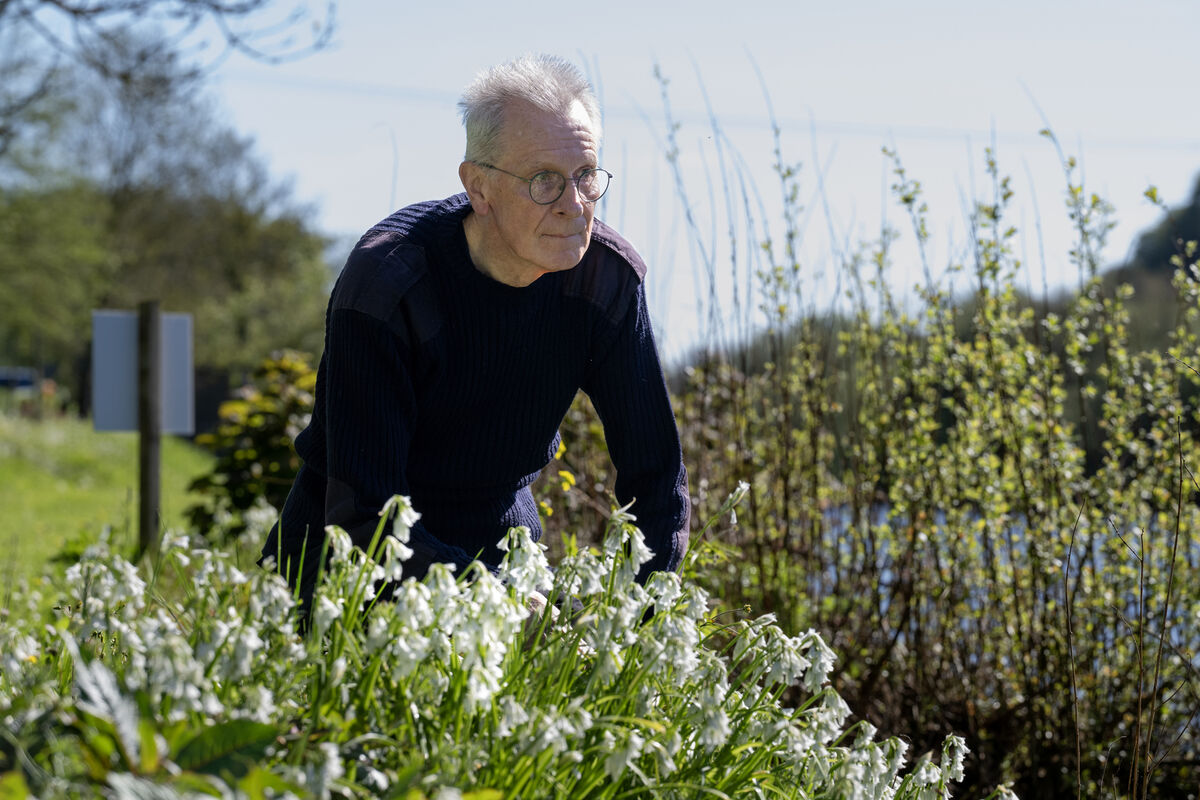
That water supply is tested on a regular basis to ensure its purity, and while water quality in general is a hot topic in many parts of the country, in general Lavery believes the health of the Feale is good.
“Over the years there have been spills of various kinds but I would put those down to a combination of accidents and carelessness rather than systematic polluting — someone with silage just too close to the river banks in very wet weather.
“The environment is pretty good for fish — the area is world-renowned for salmon fishing, which indicates the health of the river. And the river banks are healthy, otherwise we wouldn’t have the bank vole.”
This is one of the more significant discoveries in Irish wildlife, of course, and one made right on the banks for the Feale.
“In 1964 the bank vole was found near Listowel, and it was a surprise because the animal isn’t native to Ireland, it’s associated with Germany. There’s been a lot of discussion about it and it’s presumed that it came to Ireland in the '20s or '30s, when the power station at Ardnacrusha was built.
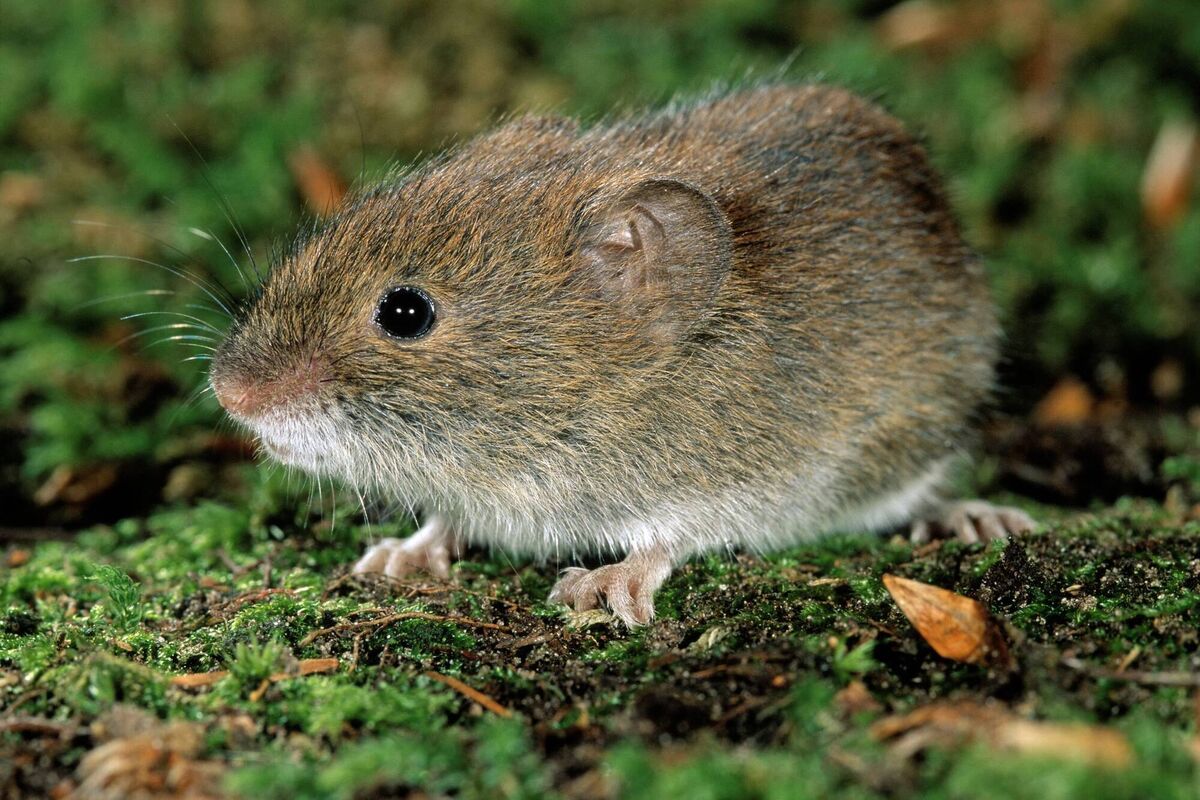
“A lot of the machinery for the job was brought in from Germany, and with earth-moving equipment and so on there was probably some earth or mud still on them, and in the earth and mud there were probably some bank voles hiding, who then escaped to the countryside.
“It’s spread throughout Munster since, but it’s very plentiful around here. In the morning it wouldn’t be unusual to see a kestrel taking a bank vole along by the Feale, so it’s become very important as a source of food for other animals and birds, like those kestrels.
“So that accidental arrival of voles has since helped kestrels by providing a source of food and the kestrel population has benefited as a result.”
The Feale has flexed its muscles in the past and Listowel has felt the brunt of it. In 2008 there was a bog slide which showed the hidden power of nature.
“That bog slide happened a few miles away, when a huge portion of the bog slid away into the river Smearlagh — later we found out that it was up to 25 acres of the bog that moved. That was an issue immediately because the Smearlagh is a tributary of the Feale.
“A friend of mine said to me that he’d been down by the Feale that morning and it was as if the river wasn’t flowing at all, so I went down to have a look myself.
“While I was there the river did stop flowing for a few seconds, and then a massive bank of thick, black mud just flowed through. It was there for hours and there was a lot of disruption as a result.”
Residents in a large portion of north Kerry had their water cut off, while fish stocks were decimated in the affected part of the river. In time, of course, the mud was washed away and the Feale was restored to its full health. Which brings us back to its name...
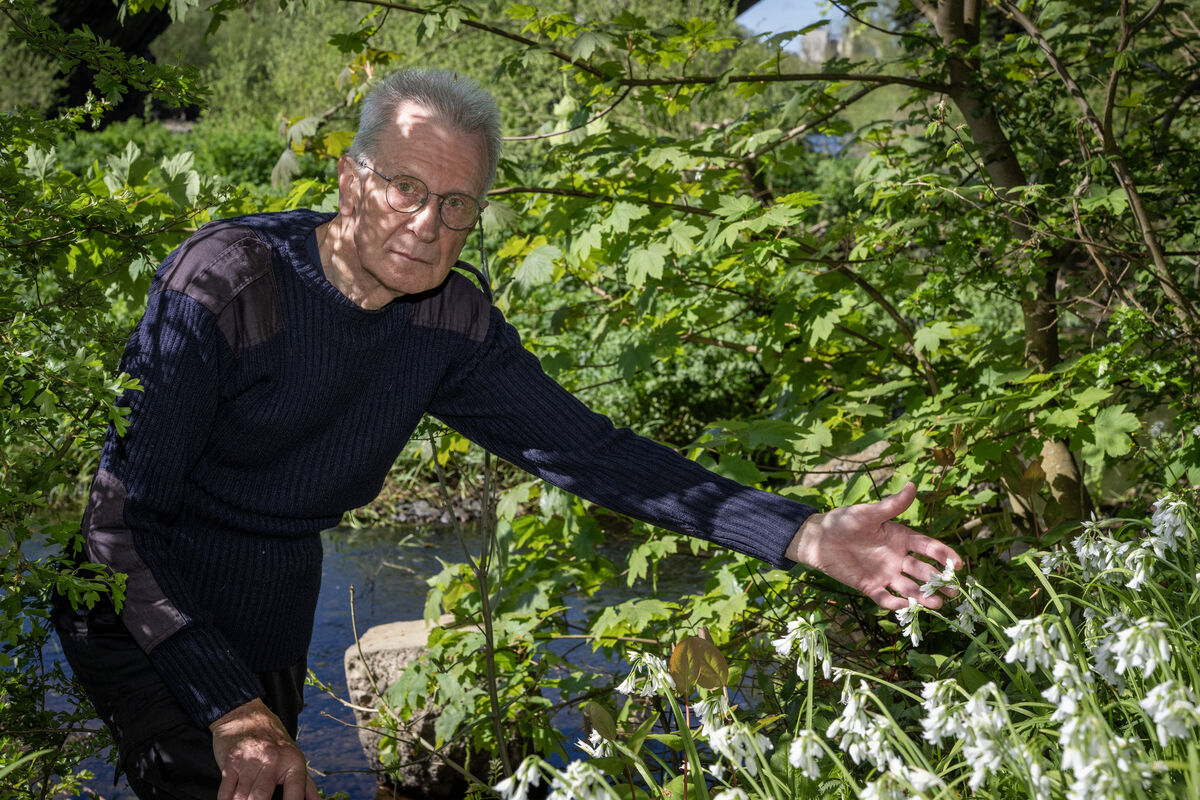
“The name comes from a mythical princess,” said Lavery.
“Princess Fial, one of the Milesians, a legendary tribe from thousands of years ago.
“According to the legend she was bathing in the river one day when she became aware she was being watched from the riverbank. To save her modesty she swam out into the stream but went out too far and drowned, and the river is named after her.”
CONNECT WITH US TODAY



Be the first to know the latest news and updates