Life in Chornobyl today: Woman who fled 1986 disaster returns to live in exclusion zone
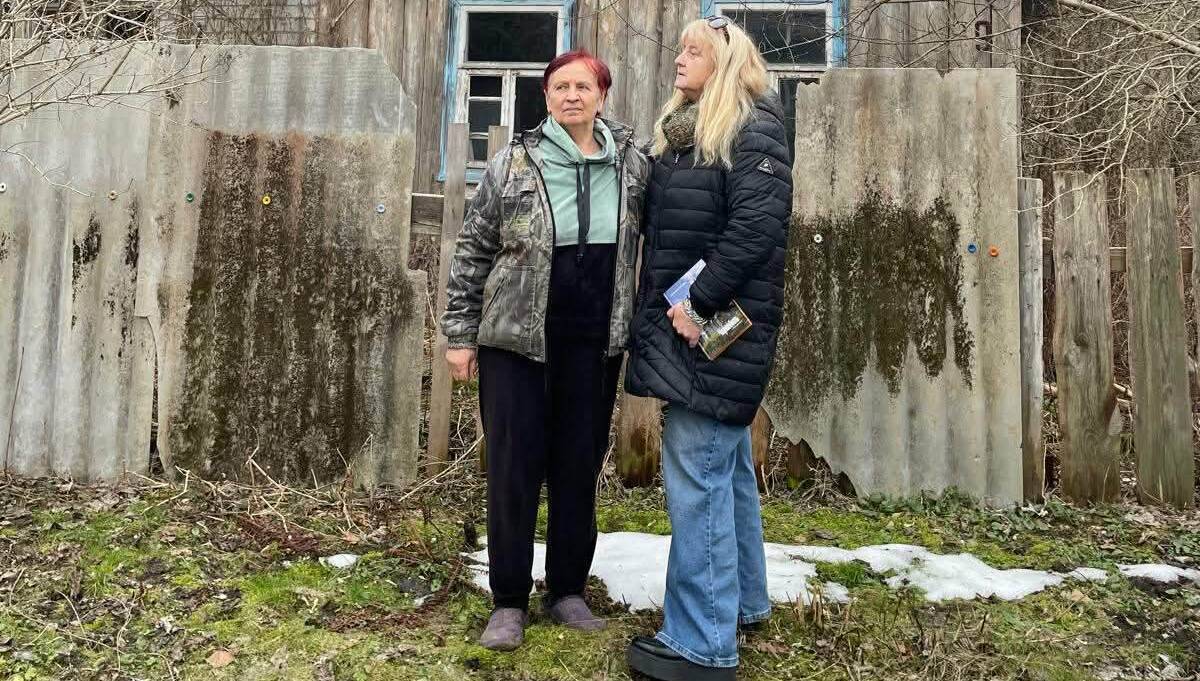
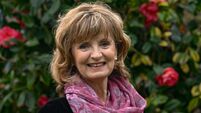
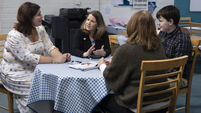
Maria Verbych (left) outside her family home in Chornobyl, which she returned to decades after the 1986 nuclear disaster, with Fiona Corcoran, founder of Irish charity the Greater Chornobyl Cause.
Maria Verbych replays that day in her mind on loop, describing the memory as “like a horror film” in which a once vibrant town became deserted overnight.
But despite years of trauma and ongoing health battles, the 66-year-old finally returned to her family home in Chornobyl city in 2010.
Many ask what compelled her to return to the site of a nuclear disaster, which caused dozens of direct casualties and life-changing health complications for thousands more.
As far as Maria is concerned, the answer is simple. While the rest of the world associates Chornobyl with the explosion at reactor No 4 in the nuclear power plant near Pripyat, Maria sees it differently.
Read More
For her, Chornobyl is the place she went on cinema dates with her husband. It’s the place they once went foraging for mushrooms to serve up with the family dinner.
She dreams about a future for Chornobyl like the one from her childhood. Forty years later, that vision remains out of reach. She tells us that the air is clean, but Fiona Corcoran, founder of the Greater Chornobyl Cause charity in Cork, knows different.
The chief executive, who is meeting with Maria at her home while delivering food to locals, travelled to the country as part of the organisation’s ongoing efforts to support those impacted by the disaster.
On entry to the exclusion zone, the aid worker had to be tested for radiation via a machine which detects the slightest trace of contamination. It’s a stark reminder to visitors that, despite its haunting beauty, the land remains effectively poisoned.
In the months that followed April 26, 1986, around 1,200 people illegally returned to their ancestral homes within the exclusion zone. The majority of them were elderly residents, including Maria’s father, Mykhailo, who came back to protect the family’s land.
She returned there to live in 2010, four years after his death. The mother-of-two thought long and hard before moving back, but ultimately feels it was the right decision. Little is straightforward for Chornobyl residents.
Her grandchildren need to secure official permits from the government just to visit. She is willing to tolerate such inconveniences in the name of protecting her home, which has been in the family for generations.
“Before the nuclear disaster, there were 17,000 living here,” she tells the . “Now the population is 600.”
The memories are often painful. “We were preparing the table for the Easter meal when we heard,” Maria said of the explosion.
“Lots of policemen came here, but we thought that they would battle the fire. It was terrifying because we had small children, but we thought that things would be alright. We decided to stay in our home and eat our meal as normal.
"The house is just 17 kilometres away from the nuclear plant station. Nobody was told anything.”
They never imagined that just a day later, the whole town would be evacuated. They were initially told it would be three days. However, days turned into months and years. Despite their best efforts to retain some semblance of normality, daily life was a struggle for the family.
“We wanted to stay in Chornobyl because it has been my family’s home for generations, but that wasn’t possible. We lived near Kyiv, where I got work as an accountant.
"Stigma followed us everywhere. I can remember my daughter’s first day at her new school. She came home, telling me that the other children were calling her the 'Chernobyl hedgehog'.
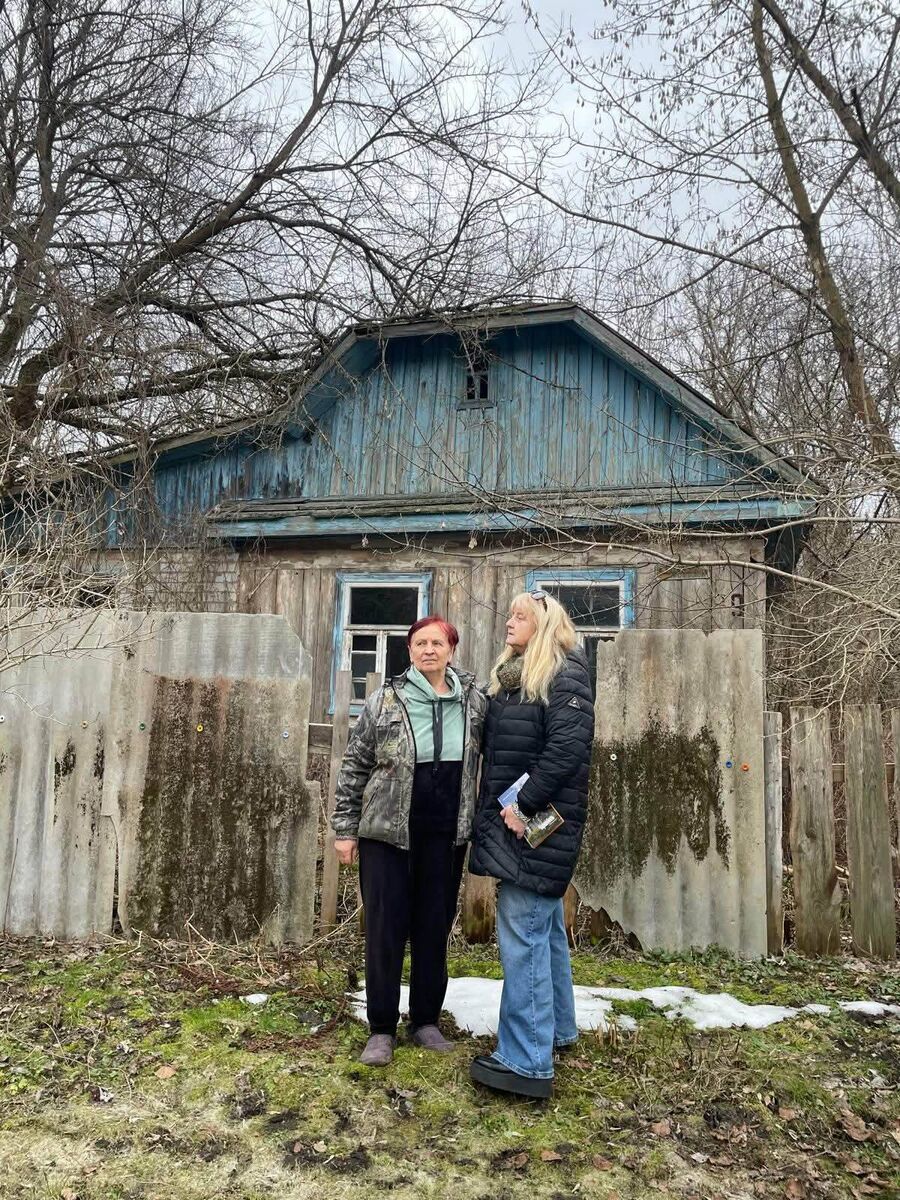
"Meanwhile, my father was back at home, where many abandoned houses and shops had been looted. My father was a Chornobyl liquidator and a very brave and clever man.
"We missed home, and I returned there, but only to work in 1995. I came back to live in 2010 when the children were grown up. Kids are not allowed to live in the exclusion zone.”
Maria and her husband Viktor also experienced health complications in the wake of the nuclear disaster.
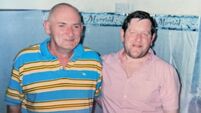
“In the years before the explosion, every moment we spent together was a happy moment. After that, he had heart issues, and despite being operated on, he struggled and died at the age of 52 in 2008. I felt great sorrow after losing him.
"I myself had issues with a tumour on my thyroid, which is able to be controlled. Luckily, all my children and grandchildren are okay.”


CONNECT WITH US TODAY



Be the first to know the latest news and updates