Iranians in Ireland: ‘Iran has been there for 1,000 years. This will pass’
Cork-based voices share harrowing accounts of war, repression, displacement and the global consequences of escalating conflict in Iran
Iranians in Ireland: ‘Iran has been there for 1,000 years. This will pass’

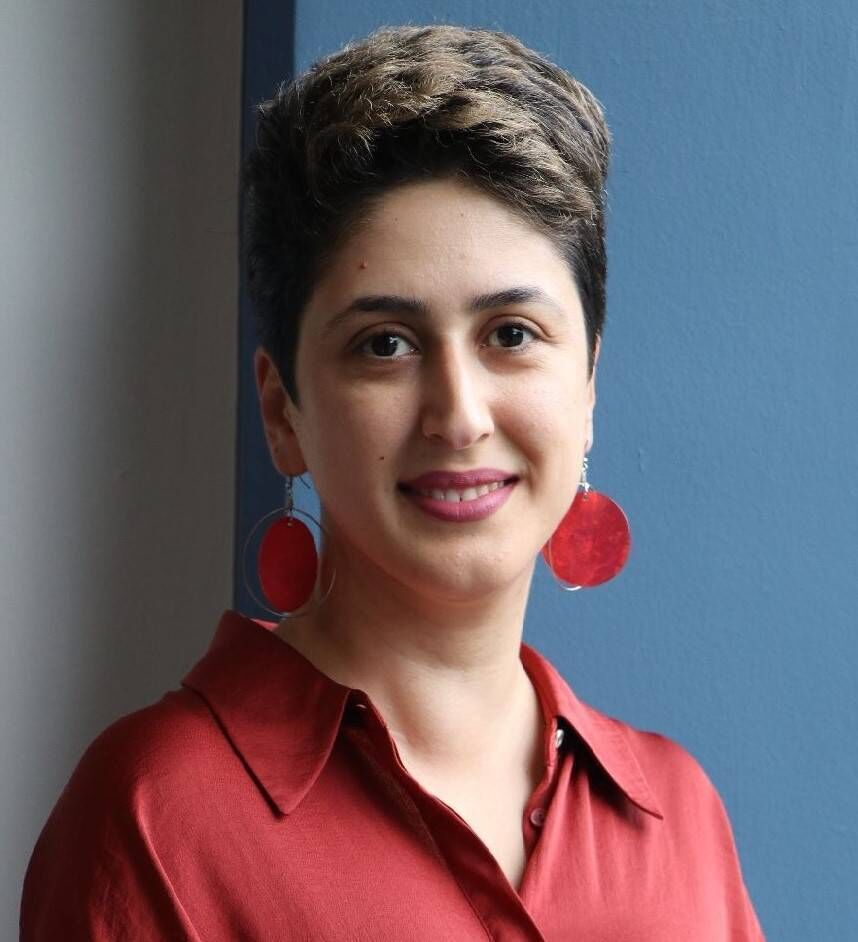
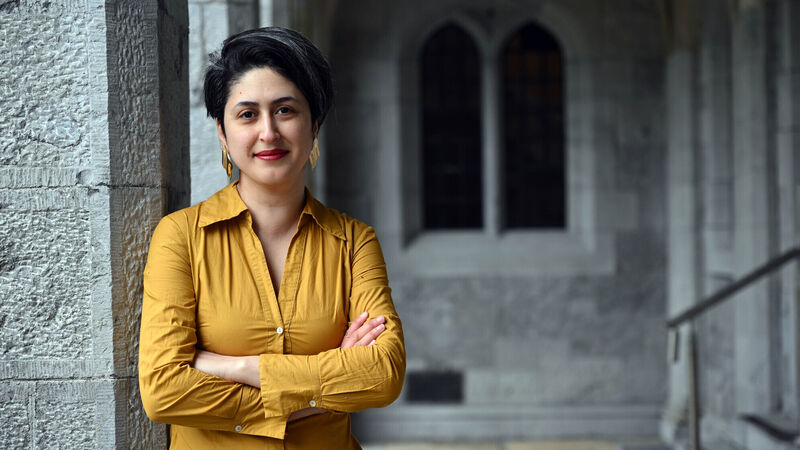
University of Galway academic Mahya Ostovar does not believe the war will push people who oppose the current Iranian regime towards supporting it: 'It is still a terrorist regime. It has killed tens of thousands of its own people.' Picture: Ray Ryan
"They bombed," Peyman Nasser’s mother-in-law screamed as a loud explosion vibrated down the phone line before it went dead.

Many people died in that attack on Iran’s capital Tehran, said Mr Nasser, an Iranian-born businessman who has lived in Cork for many years. 

His mother-in-law, thankfully, survived.

That attack was last June during the previous US and Israeli strikes on Iran during the 12-Day War.

That experience pushed Mr Nasser to convince his family to leave Tehran in the days before the latest US and Israeli attacks.

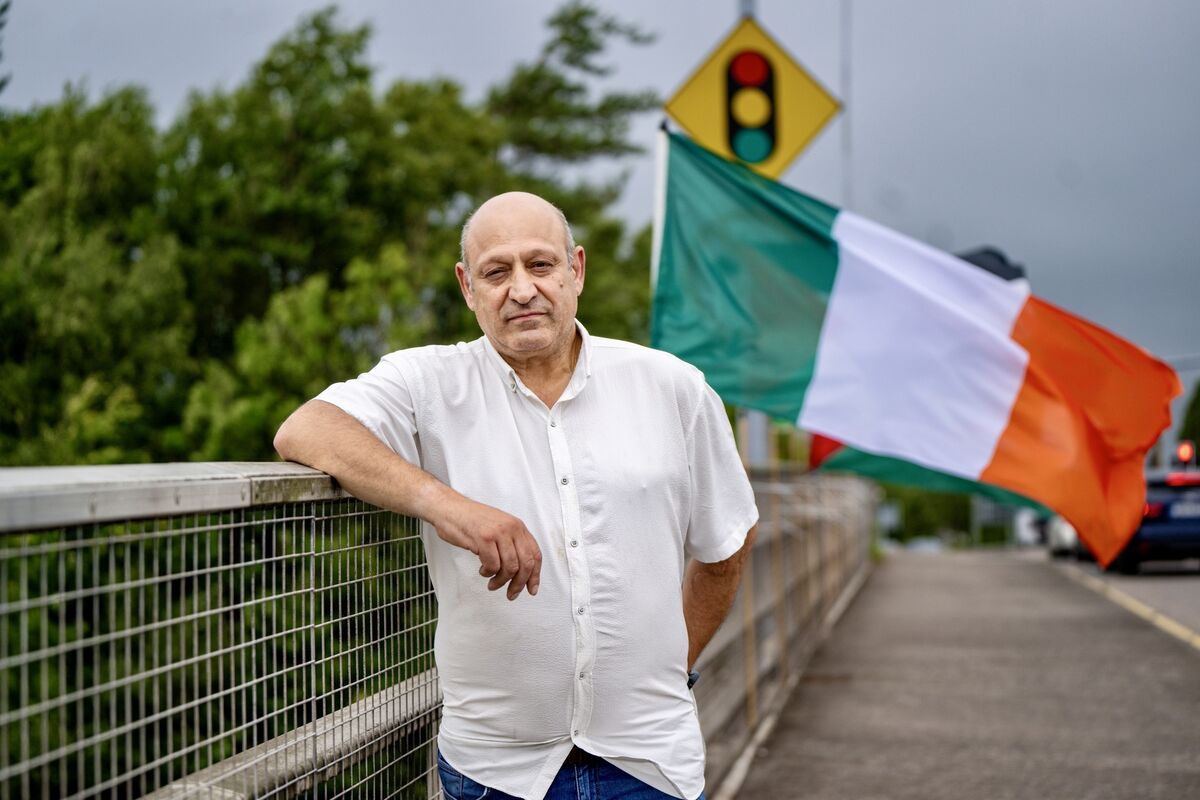
Long-term resident in Cork, Iranian-born businessman Peyman Nasser, reflects on the US-Israeli war on Iran and the fear he has for the safety of family members there. Picture: Chani Anderson

This invasion, which began on February 28, has killed thousands of people and destabilised the entire region. 

It also led to the effective closure of the Strait of Hormuz, the sea corridor through which one fifth of the world’s oil and liquefied natural gas is exported.

The war has triggered the worst oil price shock in history.
Also, the International Monetary Fund warned that the conflict could push the world towards recession if it is prolonged.

Mr Nasser’s family has been safe since they left Tehran for a more rural area in late February.

However, they are frustrated, he said.

Against the regime but pro-Iran

“More than 700 schools have been bombed so the schools are online, like covid,” he said. “People are being terrorised, 80-year-olds, children.

“So many houses have been destroyed, more than 80,000 homes. More than 300 medical centres.

Schools, universities, research centres — they have been attacked, some completely destroyed.

“But Iran has a 90m population. And this country will not surrender.”

Mr Nasser said that while he is opposed to the current Iranian regime, he is “pro-Iran”.

“Iranians are nationalists who love their country. They may hate the regime but still love their country.”

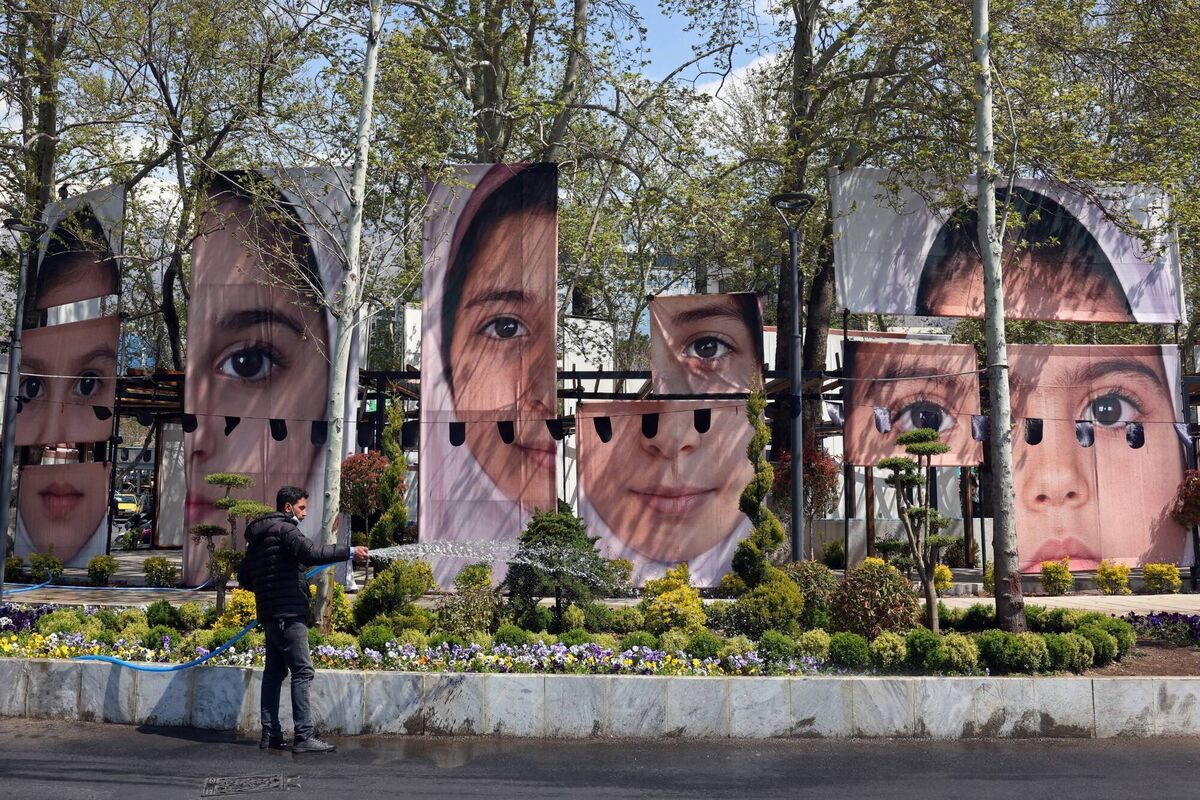
At Tajrish Square in Tehran, a gardener waters plants in front of portraits of children killed in the  missile strike on a school in the city of Minab which killed at least 165 people, most of them children. Picture: AFP/Getty

However, US and Israeli attacks will likely strengthen support for the regime, he said.

And the Israeli and US attacks give the Iranian regime reasons to be even stricter with security, he said.

There is also more support for pulling out of the Nuclear Non-Proliferation Treaty (NPT) and from co-operating with the UN’s nuclear watchdog, the International Atomic Energy Agency, with growing support for developing nuclear weapons to protect themselves, he said.

Mahya Ostovar

However, Mahya Ostovar, assistant professor at the JE Cairnes School of Business and Economics in the University of Galway, said that revulsion at the violence of the Iranian regime in January’s bloody protests has not been forgotten.

Mahya Ostovar is the assistant professor of business information systems at the University of Galway.

She does not believe that the war will push people who were anti-regime towards supporting it, binding once fractious groups together.

However, since Iran has had a media blackout for more than 40 days, with no legal access to the open internet, she said it is hard to be sure what people’s mindsets are.

“I don’t think that people have turned and they have become pro-regime,” she said. “Because in early January the regime basically killed around 30,000 protesters.”

She said that statements from Western powers decrying the illegality of the war often fail to include details about the Iranian regime’s violence against its own people.

It is still a terrorist regime. It has killed tens of thousands of its own people.

“And it has caused war in the region, committed terrorist acts, even in the Western world, through its proxies.”

Ms Ostovar is from Iran but moved to Ireland in 2022.

She said that the Iranian regime, like Russia, has learned to use propaganda as a powerful tool of war.

It allows these regimes to infiltrate thought in the West and “win the narrative war to some extent”.

It is much cheaper than military interventions and can be highly effective at destabilising an enemy.

“Democratic presidents have different pressures on them. And one of them is public opinion,” she said.

This has been viewed as a Western weakness that authoritarian regimes such as Iran and Russia are keen to exploit.
“Iran is authoritarian. And there are major differences between democracies and dictatorships.”

'A whole civilization will die tonight' 

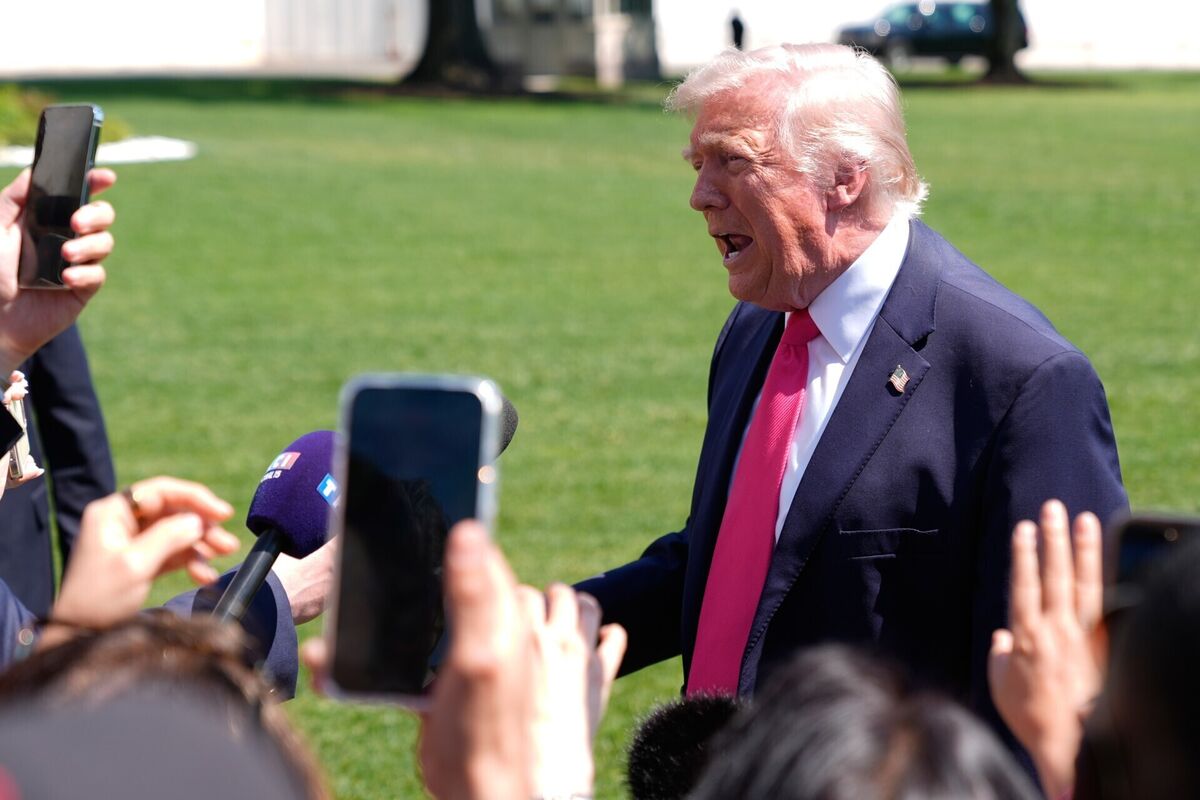
Comments such as US president Donald Trump’s declaration on social media that "a whole civilization will die tonight, never to be brought back again” if Iran did not open the Strait of Hormuz on April 7 are “very worrying,” said Ms Ostovar.

US president Donald Trump posted on social media earlier this month that 'a whole civilization will die tonight, never to be brought back again.' Picture: Manuel Balce Ceneta/AP

But what worries her more is the thought of the current war ending and the Iranian regime remaining in power. Her family remain in Iran, her parents in Tehran. “And the strikes there are intense.” 

Although a heavily monitored intranet functions in Iran, an internet connection with the outside world is illegal.

“Only a small group of people have access to a very fragile internet,” she said.

“But my parents can call me on the phone. They do every few days. It’s very expensive to call right now.

“But I cannot call them.”

Communications are so tightly controlled by the regime that “basically any type of communication from outside the country is blocked.”

Censorship in Iran 

The level of surveillance in Iran is extremely high, she said. Phones are monitored, as are the streets, with checkpoints common where cars can be searched and phones seized.

“They search your phone. If they find you can connect to the internet, that’s a crime, you will be arrested,” Ms Ostovar said.

“People are scared. Everything can be a crime and they [the regime] is more sensitive now.

“They can accuse you of spying for Israel or for the US. These are the crimes that they can easily execute you for.

“And the judiciary is corrupted. There are no real trial processes.”

Forced confessions are common, she said.

Many of those executed for January’s protests have been for crimes admitted to under torture, she said.

Finding a reliable lawyer is also difficult, with many human rights lawyers being jailed.

Sham trials and executions  

“Many people who have been executed have been in sham trials,” she said.

“During the war, they have already executed at least 14 political prisoners.

“And there are more people on death row now. And the chief of their judiciary basically said that we need faster trials for spies of the foreign powers, basically people arrested during the war accused of being spies for the US or Israel.”

Iran has a rich history as a highly sophisticated and progressive culture, said Ms Ostovar, and the dark stain of the Islamic regime and the current conflict that is killing thousands of civilians will end at some stage.

"Iran has remained for 1,000 years. This is a short period of its history and it will pass.

The Islamic revolution that happened 47 years ago was a historical mistake and people want to correct it.

“Iran was on a trajectory that could lead to democracy. But that trajectory was interrupted by the Islamic revolution which was basically a jihadist movement.

“My hope has always been that we get rid of the regime.

“And I don’t think that it’s impossible. This regime is at its weakest form now.

“You can criticise Trump and Netanyahu, you can have marches in the western cities to say ‘no’ to war.

“You can part with democratic presidents like Trump and Netanyahu — but can you talk with authoritarian regimes like the Islamic Republic and tell them not to kill their people?”

People in Iran are used to war 

Ms Ostovar’s family in Tehran “tries not to scare” her with details of the war. But her home neighbourhood in Tehran has been struck by missiles.

“The strikes on Tehran were pretty bad.

“But many people there have lived through multiple wars now and have developed ways to live with them.” 

This would be Ms Ostovar’s third war were she still in Iran — with the Iran-Iraq war, last year’s 12-Day War, and the current conflict all within her lifetime.

“I think people have learned to cope with it.

“But it really breaks my heart because at the same time these are traumas. And mentally and emotionally it can be really exhausting and really difficult.” 
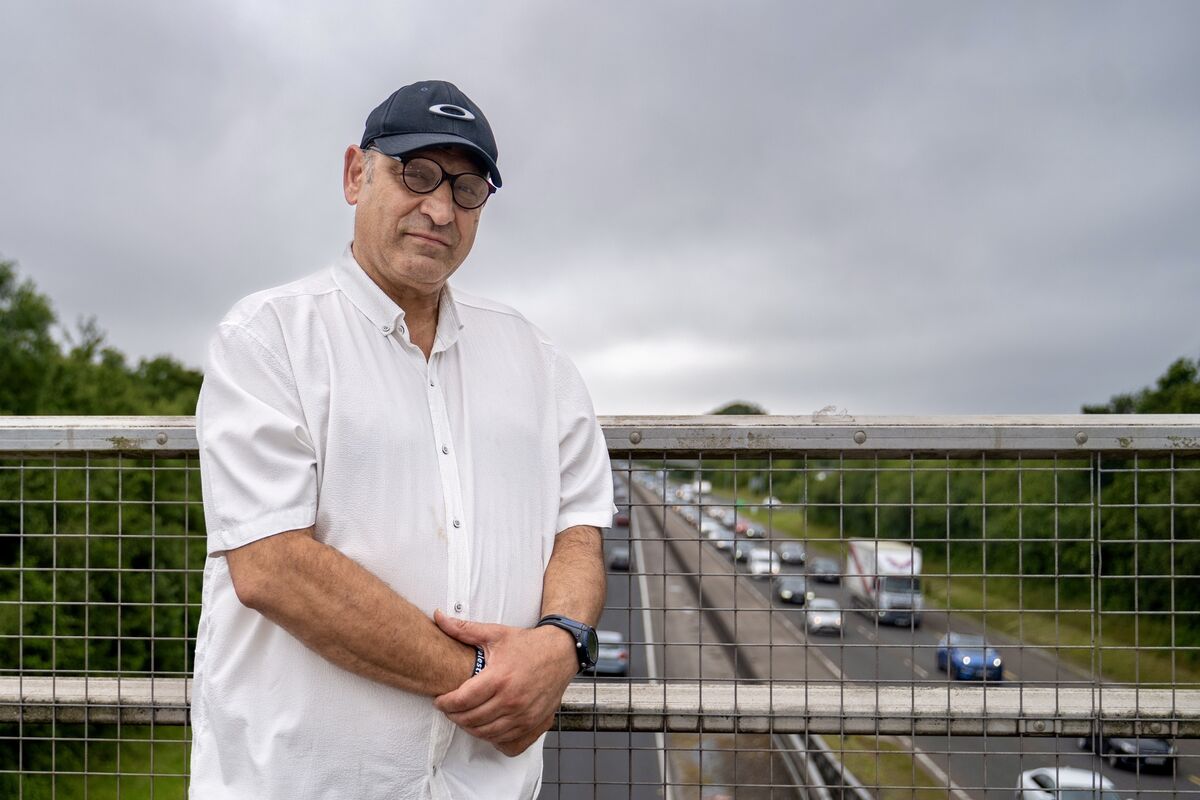
Peyman Nasser, originally from Iran and living in Ireland for over 30 years, was among the first protesters in Cork to stand against the war in Gaza. Now he worries about the safety of family members in Iran. Picture: Chani Anderson

The blows of the war and the scars they leave do not land evenly.

“Some people lost their homes. Some people live pay cheque to pay cheque and they haven't received their salary for two months, three months.

“So people are in different conditions. Some people are really more vulnerable and for them, it's not easy to continue.

“But for people who have better economic conditions and who were not directly affected in terms of losing their homes or losing their family members during the war, they are still living to some extent a life. But it is getting more difficult.” 

New Iranian Democratic Diaspora Network

This week, Mahya Ostovar was involved in launching the Iranian Democratic Diaspora Network in Ireland (IDDNI).

The group aims to be a voice of human rights for the Iranian people whose voices are being silenced in Iran through internet blackouts and repression.

And it aims to provide grounded Iranian insights to Irish audiences.

The IDDNI is a female-led, non-partisan and multi-ethnic initiative based in Galway, Limerick, Dublin, and Cork.

It is calling on Irish and European policymakers to ensure that no sustainable diplomatic engagement with Iran can exclude the Iranian people themselves.

“This means embedding human rights monitoring, civil society consultation, and diaspora representation into any framework of engagement,” the IDDNI said

"It also means recognising that legitimacy in Iran is not defined solely by state power, but by a population that has repeatedly demonstrated its desire for democratic change — at immense personal cost.

“For over four decades, Iranians have lived under a political system that severely restricts fundamental freedoms and suppresses any form of political opposition through intimidation, imprisonment, and execution."

This week, US president Donald Trump expressed confidence that an agreement could soon be reached to end the Iran war and urged the Tehran-aligned Hezbollah group to hold its fire as a 10-day truce went into effect between Lebanon and Israel.

Mr Trump said the next meeting between the United States and Iran could take place over the weekend, and an extension of a two-week ceasefire was possible.

On Friday, Iran’s foreign minister, Abbas Araqchi, announced on social media that passage for all commercial vessels through the Strait of Hormuz is "declared completely open" for the rest of the ceasefire, in line with the ceasefire in Lebanon.


x

Your home for the latest news, views, sports and business reporting from Cork.

More in this section

Lunchtime News

Newsletter

Get a lunch briefing straight to your inbox at noon daily. Also be the first to know with our occasional Breaking News emails.

Cookie Policy Privacy Policy Brand Safety FAQ Help Contact Us Terms and Conditions

© Examiner Echo Group Limited