Ukrainians in Ireland: ‘Thousands of people my age are dying. We need a lasting peace’
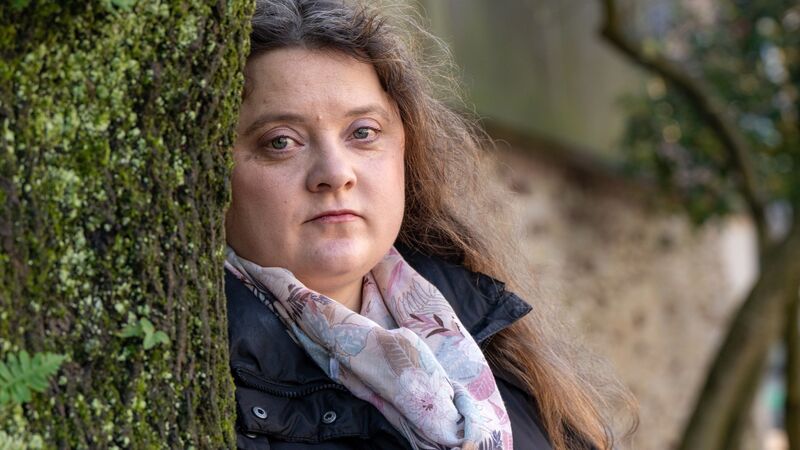
Nadia Dobrianska — a fluent Irish speaker who had studied in Belfast — fled Kyiv for Cork as Russian bombs began to fall on February 24, 2022. Picture: Chani Anderson
Four years ago tomorrow, Nadia Dobrianska fled Ukraine as the first bombs began to explode in Kyiv, her home city.
“It felt like losing a limb on the first day of the war,” she said. “I felt like something was dying in me.”
The fluent Irish speaker, who had studied at Queen’s University in Belfast, was working in human rights before the war.
In that work, she monitored Russian political activists and knew the horror of the jails they were sent to.
She fled with her parents, but her mother died a short time after arriving in Ireland.
War often claims silent victims, she said. The trauma of war — which will likely now seep down through the generations — leaves deep psychological scars.
Those murdered by bombs and gunfire are never a conflict’s only victims, she said.
On Tuesday, Ms Dobrianska, 38, plans to stay in her Cork home and work on her PhD thesis about sectarian violence in the North, a purposeful mark of defiance against Russia’s attempted annihilation of her life and her career, she said.
“It’s been a long four years. It’s been a long war. And I don’t see an end in sight.”
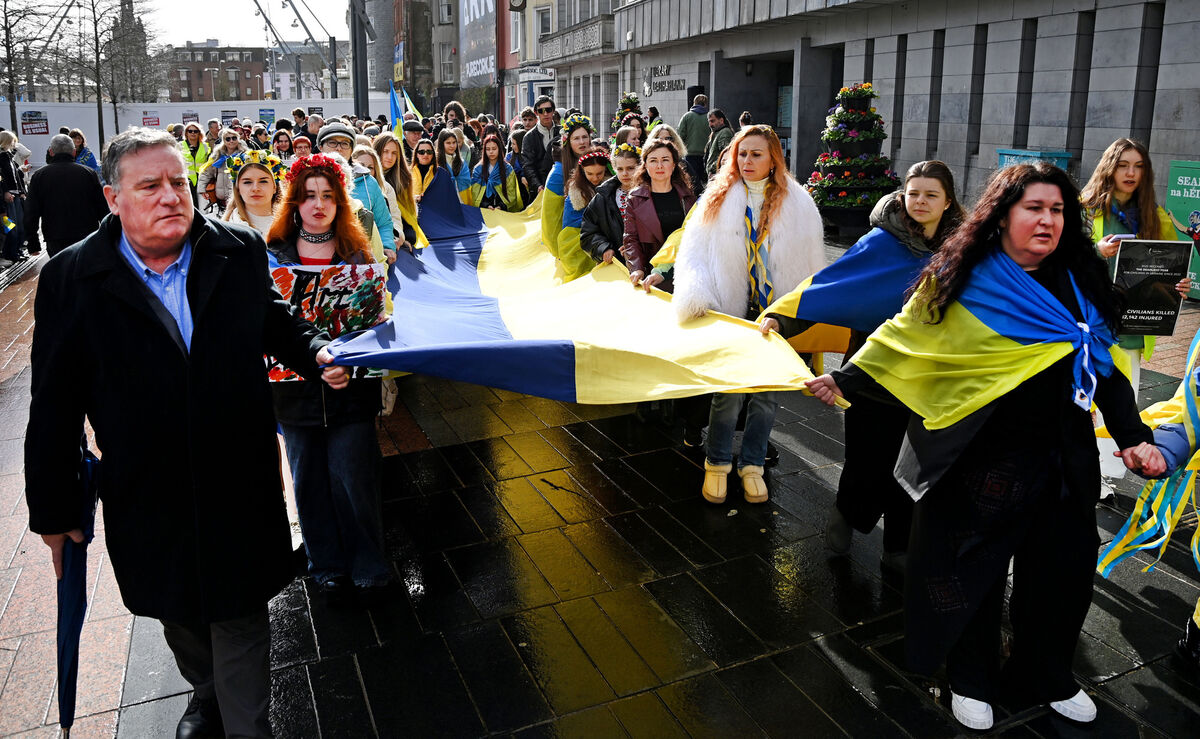
Peace talks in Geneva collapsed last week with no major progress made. Russia is demanding Ukraine cede significant swathes of land, wanting full control of the eastern Donbas, which includes the Donetsk and Luhansk regions.
However, Kyiv says Ukrainians will not agree to giving away land that Russia has not already taken.
Russia currently occupies approximately 20% of Ukrainian territory, including Crimea and parts of the Donbas, which it seized before the most recent 2022 invasion.
Russia has gained approximately 1.3% of Ukrainian territory since early 2023, analysts estimate.
Although Europe has “turned up” for Ukraine, some countries here are drifting towards Russia, Nadia said. Lack of social media regulation allows Russian bot farms to exploit tensions in different countries and tell anti-Ukrainian stories, packaged for a particular country’s consumption, she said.
Ukraine has been reduced to a ‘culture wars’ symbol, used domestically for political gain in multiple countries now, the war’s bloodshed and sorrow erased by polarising narratives.
How Ukrainian refugees are treated has become a political tool, used to appeal to different voter blocs in elections across Europe.
This has been “extremely painful to watch,” Nadia said.
“The way the world is now in flux can really damage Ukraine and its ability to defend itself,” she said.
“If Ukraine falls, EU countries closer to the border could be next. European countries could be learning from Ukraine about dealing with current warfare, cyber security.
“The world has changed in the past years. Russia’s invasion of Ukraine was one big change for the European reality, and now the presidency in the US and, in a way, the end of transatlantic co-operation in its old form, the way it was since World War Two.
“I would like to see politicians across Europe deal with it more urgently. Looking in a different direction does not make it go away.
“My hope would be more co-operation in European security and defence.
“Some Ukrainian soldiers have been sharing their experiences with other countries, and I’d like to see more of that.”
Dissent is rising among business owners in Russia, after a wartime tax, introduced in January’s budget, is allegedly leading to the closure of long-running businesses.
“The Russian economy is not faring well. I’m watching Russian discourses, and the war economy is now causing damage to small- and medium-sized businesses.
“The backbone of the Russian economy, the people who make business, are now losing because of the wartime taxes.
“To me, that’s a hopeful sign that it can’t sustain the war economically.”
Nadia has been back in Ukraine a few times since 2022. She had to run to the basement of a building there during the airstrikes that hit the children’s hospital in Kyiv in 2024, killing people, including a doctor.
Her brother served in an auxiliary force, and her cousin is a drone operator on the front line.
Read More
The irreversible damage and destruction done to her country have been one of the worst impacts of war, she said. That and feeling powerless to prevent the suffering there.
“The atrocities, reports of the rape of women, the sense of helplessness. Dealing with this madness of war is really difficult on a personal level.”
But the resilience of the Ukrainian people gives her hope.
“Many Ukrainians live with no heating, no water; they are in extreme discomfort, but they will not yield.
“They wouldn’t trade their freedom for what Russia has in store for us.”
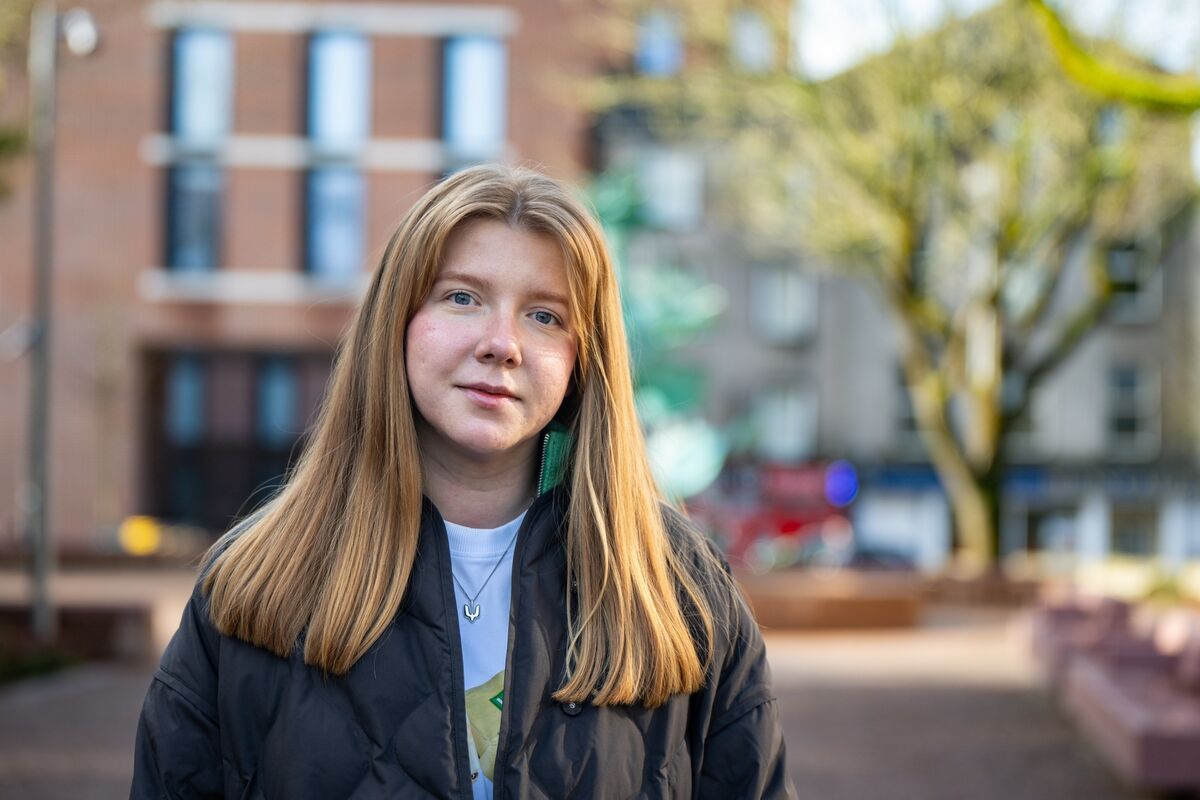
Olesia Zhytkova also fled to Cork when Russia invaded her home city of Kropyvnytskyi in central Ukraine in 2022.
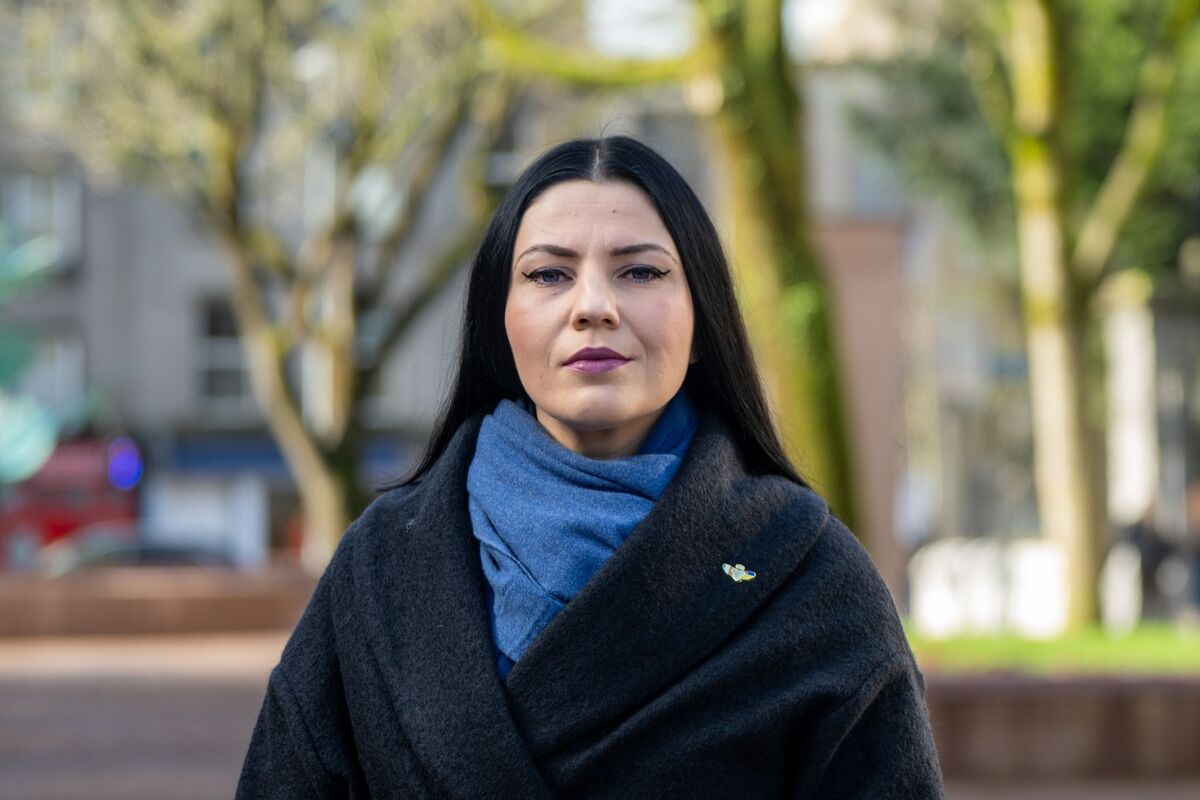
“It was a huge shock for everyone to wake up, to be shelled by Russian military,” she said.
Her parents stayed behind in Ukraine but urged her to go and “save the next generation”.
Olesia fled to Ireland with her daughter Lada, who was just two years old at the time.
Moving as a refugee alone with a young child was “complicated”, but she “found some inner source of energy to move on because I need to take care of my daughter and of myself.”
And people in Ireland supported her and helped her survive.
Her daughter started school in September. She now speaks fluent English with an Irish accent.
Olesia, a historian, gives lectures on the similarities between Ukrainian and Russian histories, folklore and customs.
Irish and Ukrainians share values around family, friendship and commitment, she said.
“Even though we’re far away, we’re still connected in interesting ways,” she said.
Both countries have fought for freedom from their larger, colonial neighbours — Ireland from England and Ukraine from Russia.
Both countries have battled to preserve their native language and culture.
A leading figure of Ukraine’s fight for independence, Valeriia O’Connor-Vilinska, even had Irish roots.
Both countries suffered devastating and unnecessary famines due to the influence of their larger colonial neighbours, she said.
Olesia now works as a postdoctoral researcher at Dublin City University, researching corruption and anti-corruption efforts in Ukraine. She initially began work in DCU thanks to a Research Ireland grant for displaced researchers. She then secured EU funding under SAFE fellowship, a pilot program which supports at-risk researchers.
Air raids are now common in her hometown.
Although it has not been as badly hit as other areas, because of its location, missiles and drones often fly over it, she said.
“So it’s very stressful there. And it’s very stressful for children. They shouldn’t experience this.”
Olesia began organising large annual peace rallies for Ukraine in Cork.
This year’s took place on Sunday to mark the four-year anniversary of Russia’s full-scale invasion of her country. More than 1,000 people were expected to turn up.
“It’s my civic duty to support the Ukrainian community. To honour all those who have given their lives to preserve Ukraine’s independence, to feel a sense of community and unity,” Olesia said.
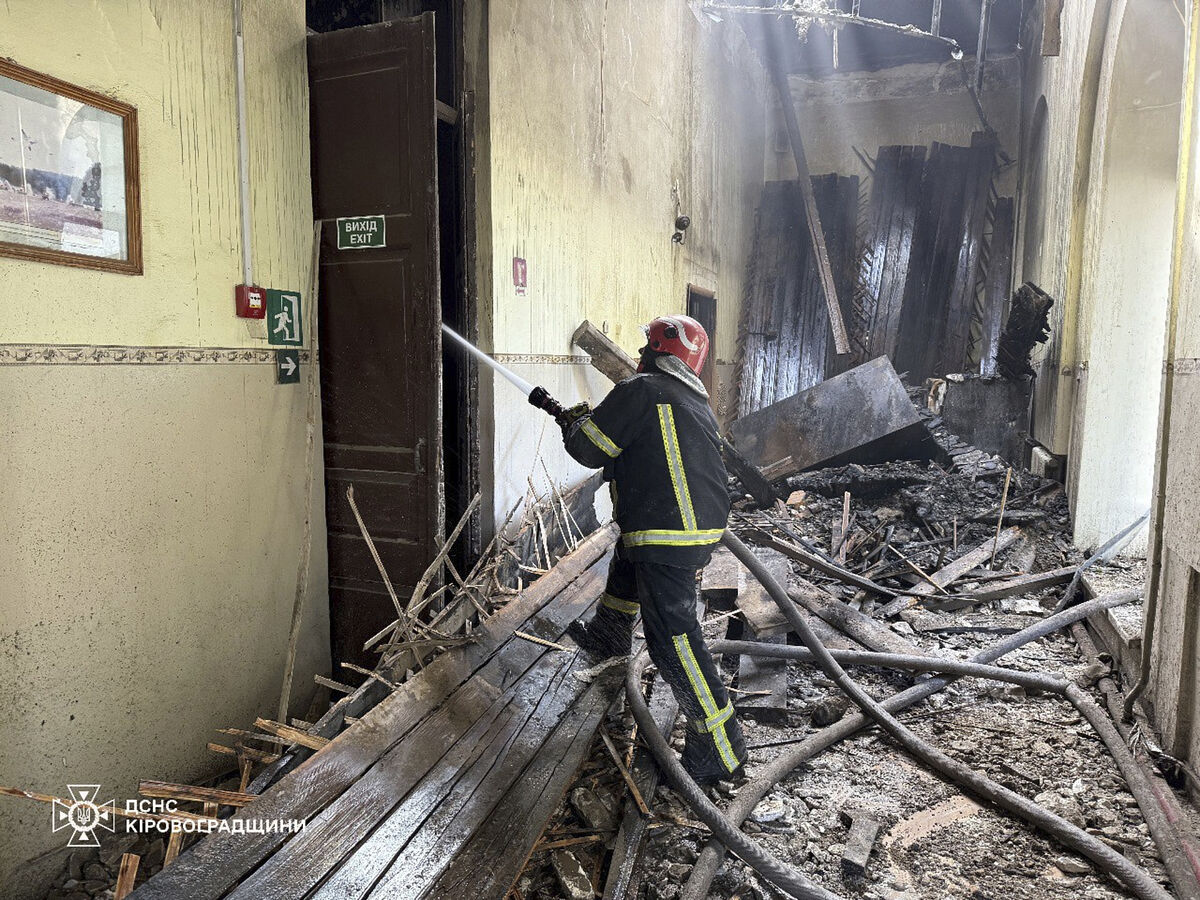
Ukraine is currently enduring the coldest winter in 16 years. And much of its energy infrastructure has been targeted and obliterated by Russian missiles.
Russia has repeatedly targeted Ukraine’s energy infrastructure to punish its people through the country’s freezing winters where temperatures can drop to below -20C.
Some people have frozen to deaths in their homes, Olesia said.
On Friday, some 1,600 buildings, including approximately 1,100 residential buildings, remained without heat in Kyiv, the capital.
Alona Dekhtiarenko recently witnessed that cold, having returned to Cork in recent weeks from a visit home to her family in Kyiv.
“People use power banks to supply your wifi router so you have internet, but after 24 hours without lights, it’s hard.
“Some of the apartment buildings will be without heating until the end of winter.
And with air strikes overnight, people often wake up with no electricity and no water in their homes, she said.
“People are tired and exhausted, but at the same moment, they’re proud living their lives.
“And there a lot of cultural events, a lot of open theatres,” Alona said.
“People travel underground, even during air raids, to go out because when they get to their destination, the air raid may be over and they will be able to see this beautiful theatre,” she said.
"They call it fine, but obviously it’s not fine because you’re living in a constant threat.
“Even if you have heating in your room at night, you still can hear the explosions — air defence missiles going to the sky or the drones. It affects everyone.
“And it’s like a game of Russian Roulette, you don’t know whether you will wake up in the morning.”
Alona came to Ireland alone, age 25, in March 2022.
But it feels like “destiny” that she arrived in Cork.
Despite the difficulties of life as a refugee, she said that things seemed to line up for her with everything “happening in the right moment”. She is now working as a digital marketing executive in Cork city.
A chance encounter while hiking led her to the apartment she now rents in Cork City with a friend.
She said that she is hugely grateful to everyone in Ireland who has supported her and given her opportunities to create a life here.
But people seem to be forgetting about the war four years on.
“We’re not in the news as often anymore. And people become tired. It’s four years now.
“But it continues.”
She has been following ongoing negotiations, and she dreams of peace. “Thousands of people my age are dying at the front line.
“But we are hoping for a miracle. We need a lasting peace.”
Read More

CONNECT WITH US TODAY



Be the first to know the latest news and updates